GRAMMAR
Japanese grammar,
one piece at a time.
Explained from real lessons: what the form is, how it shrinks in speech, the mistakes learners actually make — and practice questions at the end of every article.
Start here
How to study Japanese by yourself: what actually works, from a teacher who watches it fail
Build a practical Japanese self-study routine with kana, grammar, listening, and speaking exercises, plus ways to spot gaps and get useful feedback.
Japanese numbers 1–100: the building rule, and the four numbers that have two readings
Learn to build Japanese numbers from 1 to 100, handle alternate readings for 4, 7, and 9, understand the 10,000 unit, and start counting objects.
Japanese writing systems: why three scripts, and what each one is telling you
Hiragana, katakana, and kanji each do a different job inside one sentence. Learn what every script signals and how to start reading Japanese today.
What actually happens in a first Japanese lesson
See what happens in a first Japanese lesson, from introductions to speaking practice, with useful phrases and a clear plan for your next step.
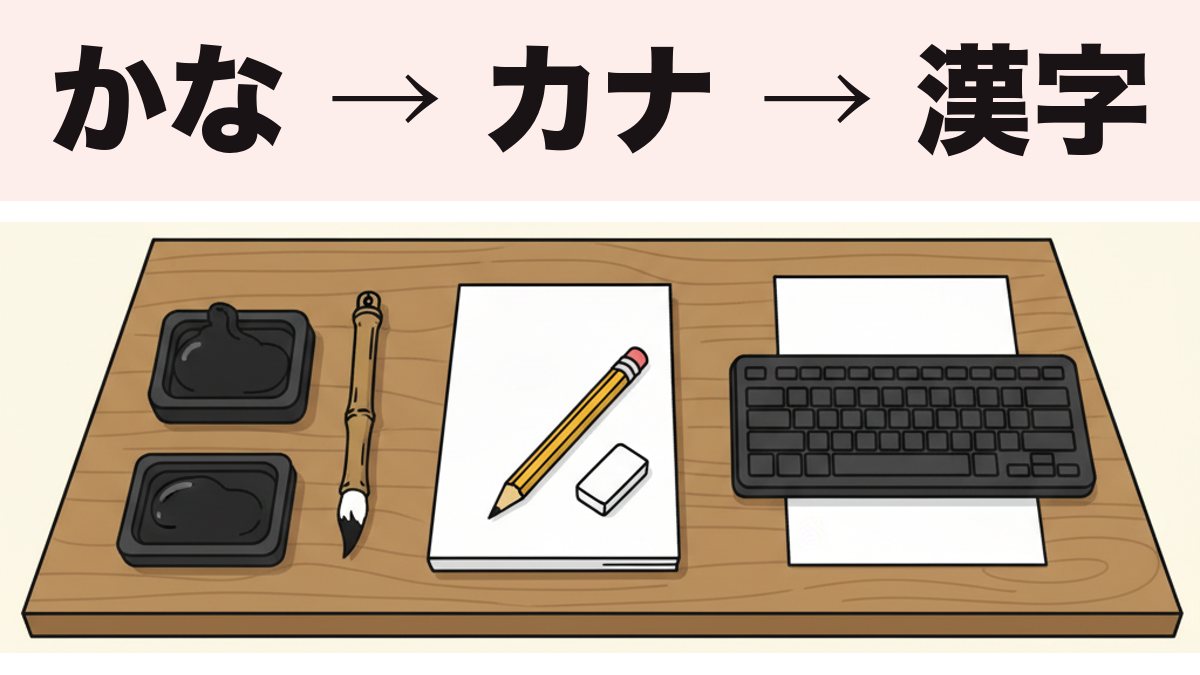
Hiragana, katakana, kanji: which to learn first, and how long each takes
Learn hiragana first, katakana next, and kanji through useful words. I explain the order, study-time estimates, common mistakes, and reading practice.
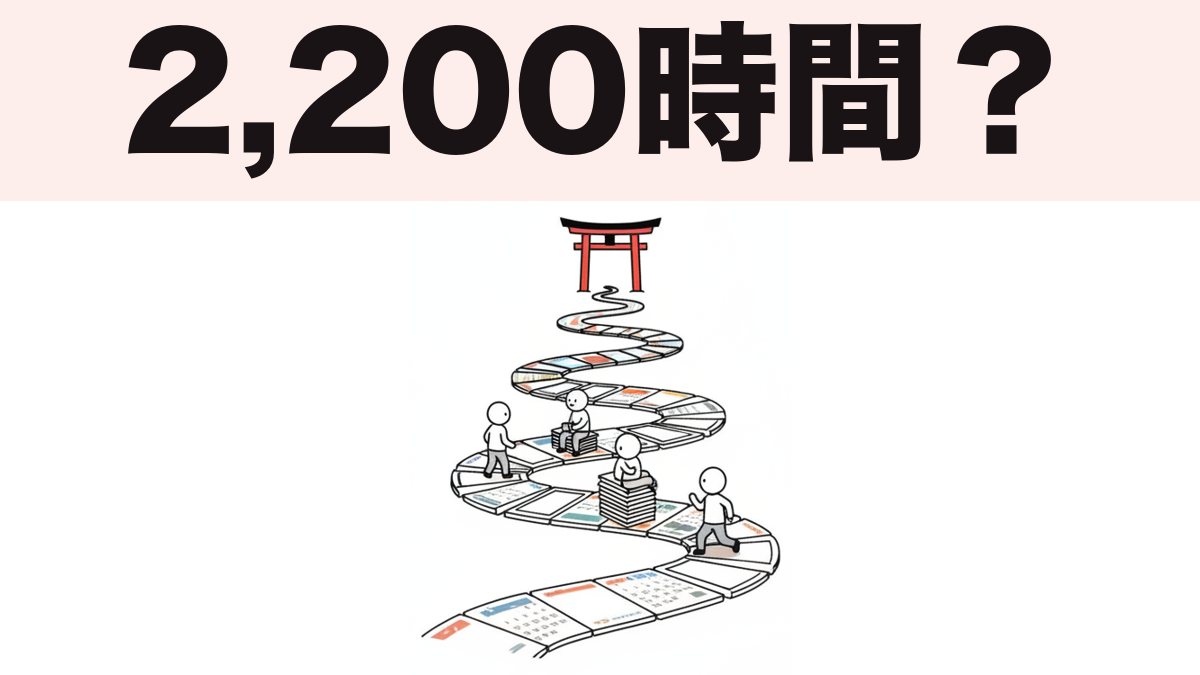
How long does it really take to learn Japanese?
The Foreign Service Institute number is 2200 hours, but ordinary conversation arrives far sooner. See what each stage costs and how to reach it faster.
What language apps cannot teach you about Japanese
Learn what Japanese app drills leave out, from choosing polite speech to repairing misunderstandings, and practice turning familiar words into conversation.
Grammar, one piece at a time
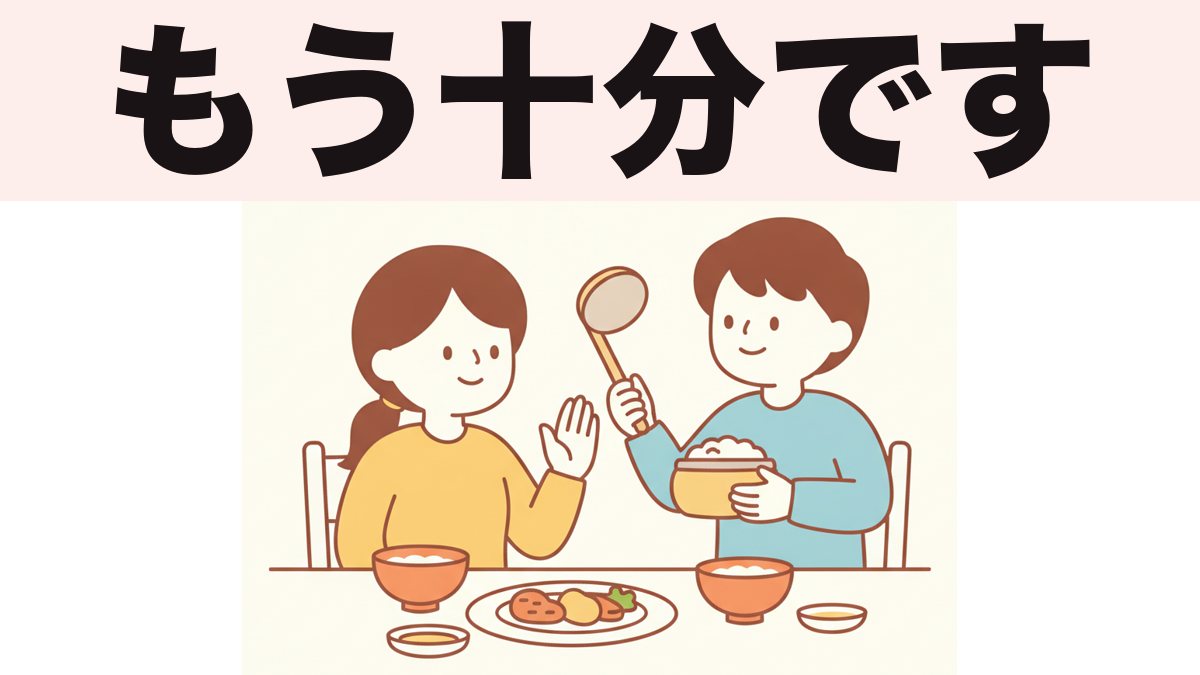
How do you say "enough" in Japanese? 十分, 足りる and もういい
"Enough" in Japanese depends on the job: 十分 for "sufficient," 足りる for "there is enough of it," and もういい or いい加減にして for "stop, enough!" With examples.
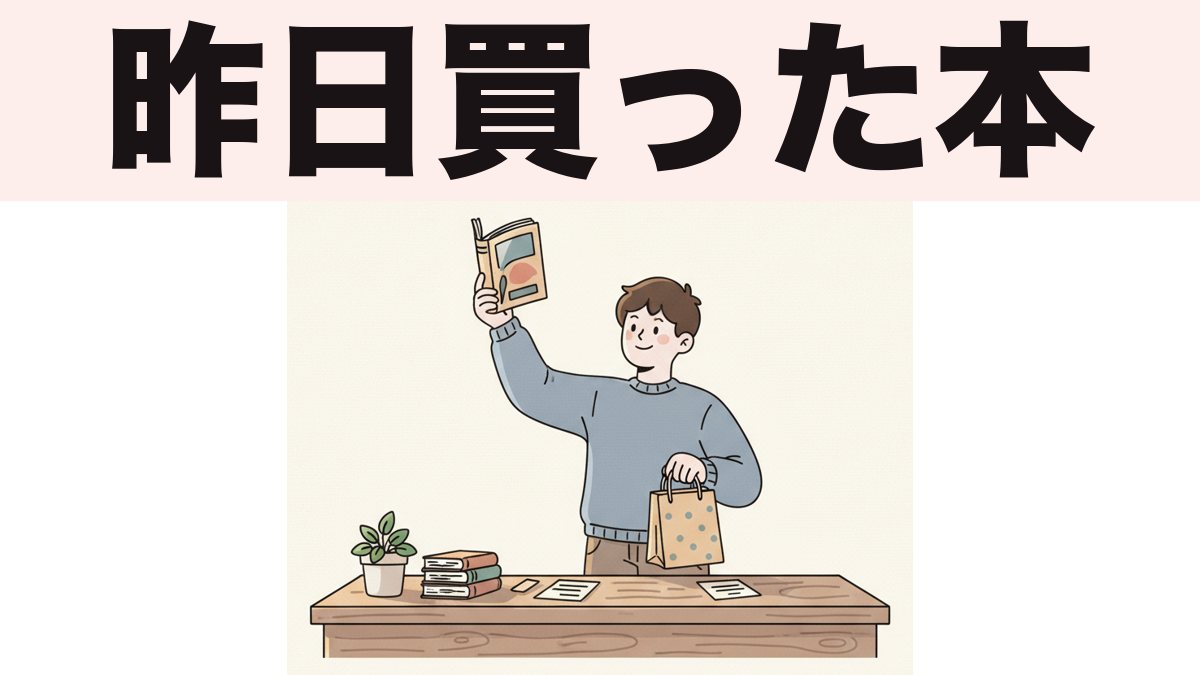
Japanese relative clauses: how to say "the book that I bought"
Japanese has no word for "that" or "who". Put the whole clause in front of the noun: 昨日買った本 is "the book I bought yesterday." How it works, with examples.
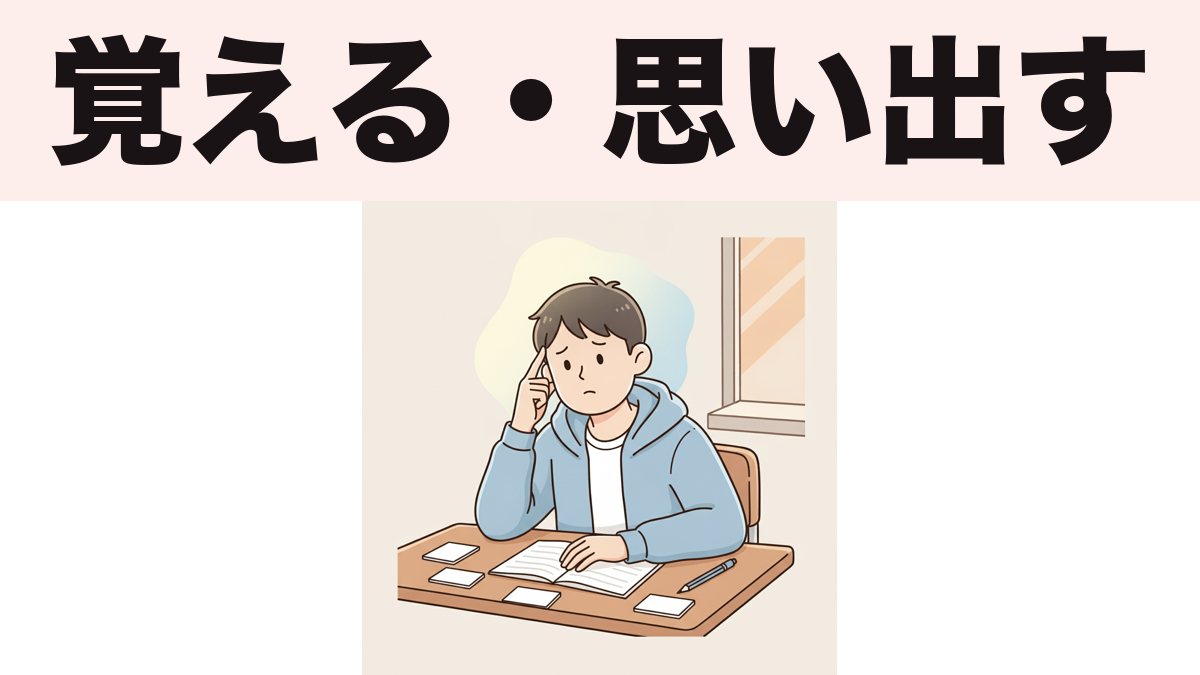
How do you say "remember" in Japanese? 覚える, 覚えている and 思い出す
"Remember" in Japanese is three verbs: 覚える (to memorize), 覚えている (to still remember) and 思い出す (to recall something forgotten). Which one to use, with examples.
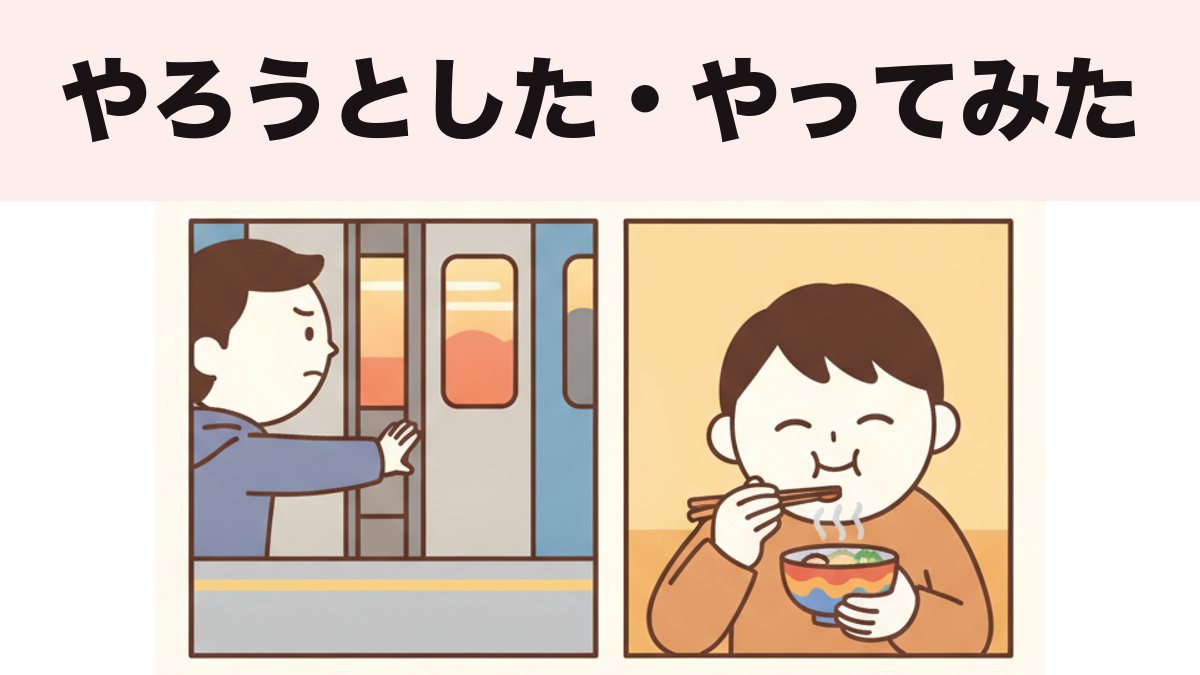
ようとする vs てみる: two ways to say "try" in Japanese
ようとする is "try to" when the attempt is interrupted or fails; てみる is "try it and see" when you actually do it. 開けようとした vs 開けてみた — same English, opposite result.
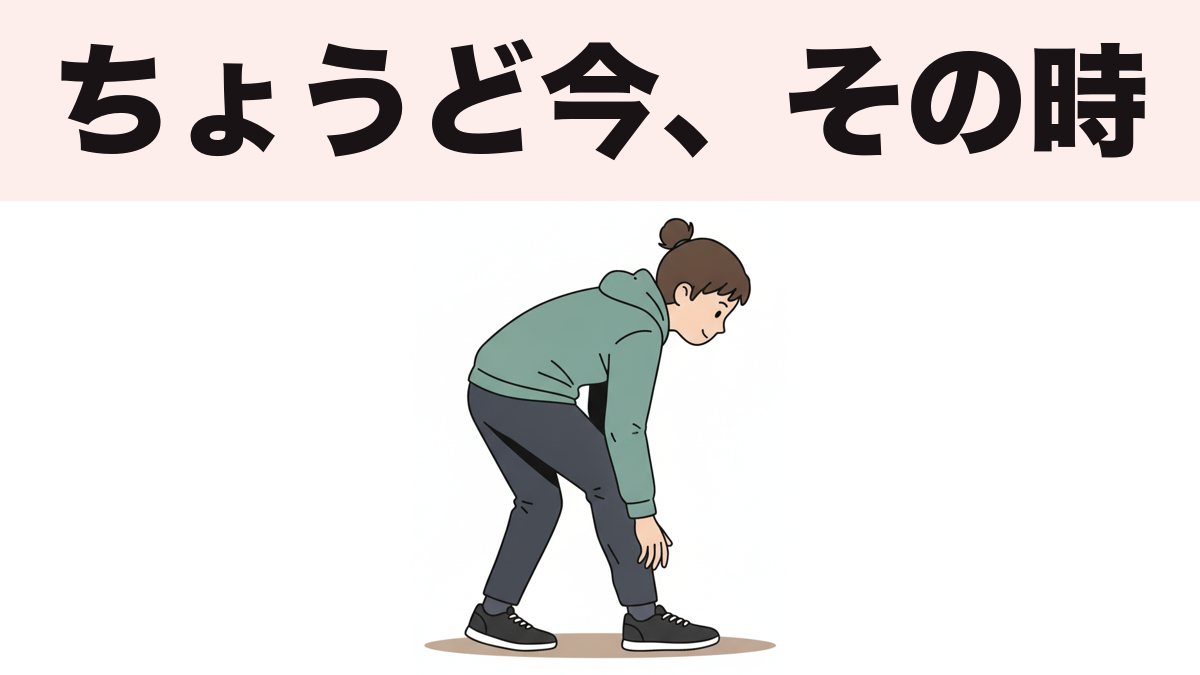
ところ: how Japanese says "about to", "in the middle of" and "just did"
ところ turns a verb into a point on a timeline. 食べるところ is about to eat, 食べているところ is mid-meal, 食べたところ is just finished — three tenses, one word.
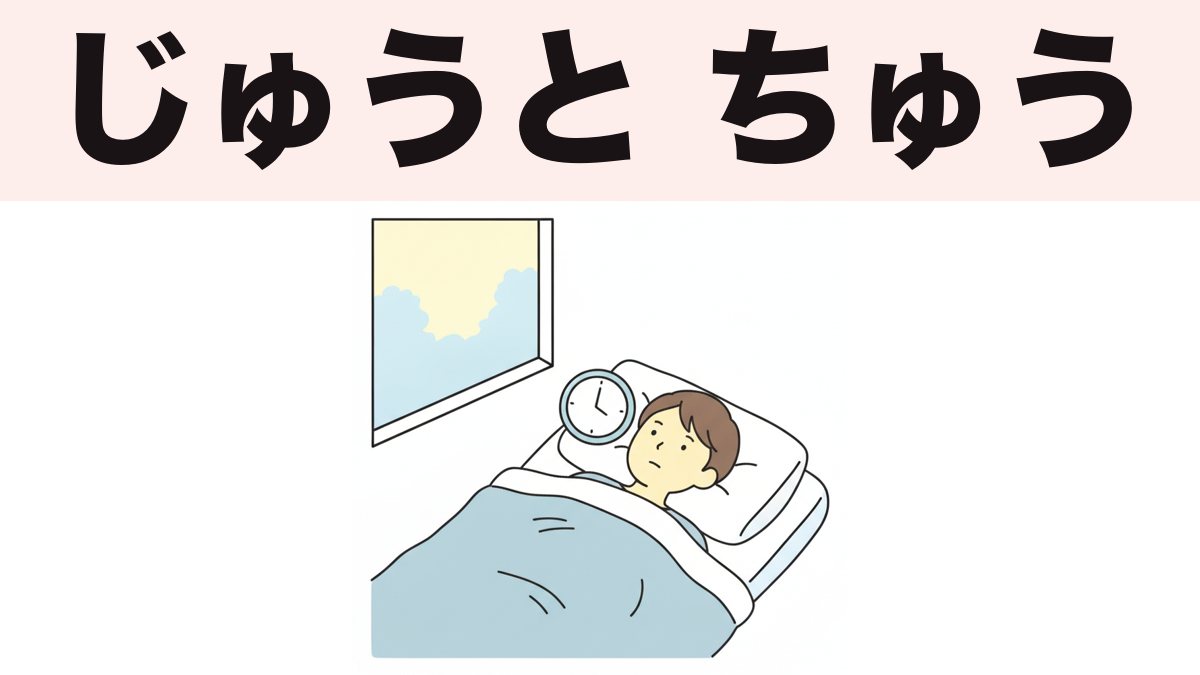
中 as じゅう and ちゅう: "all day" versus "in the middle of"
一日中 (いちにちじゅう) is all day long; 会議中 (かいぎちゅう) is in the middle of a meeting. One kanji, two readings, two completely different meanings.
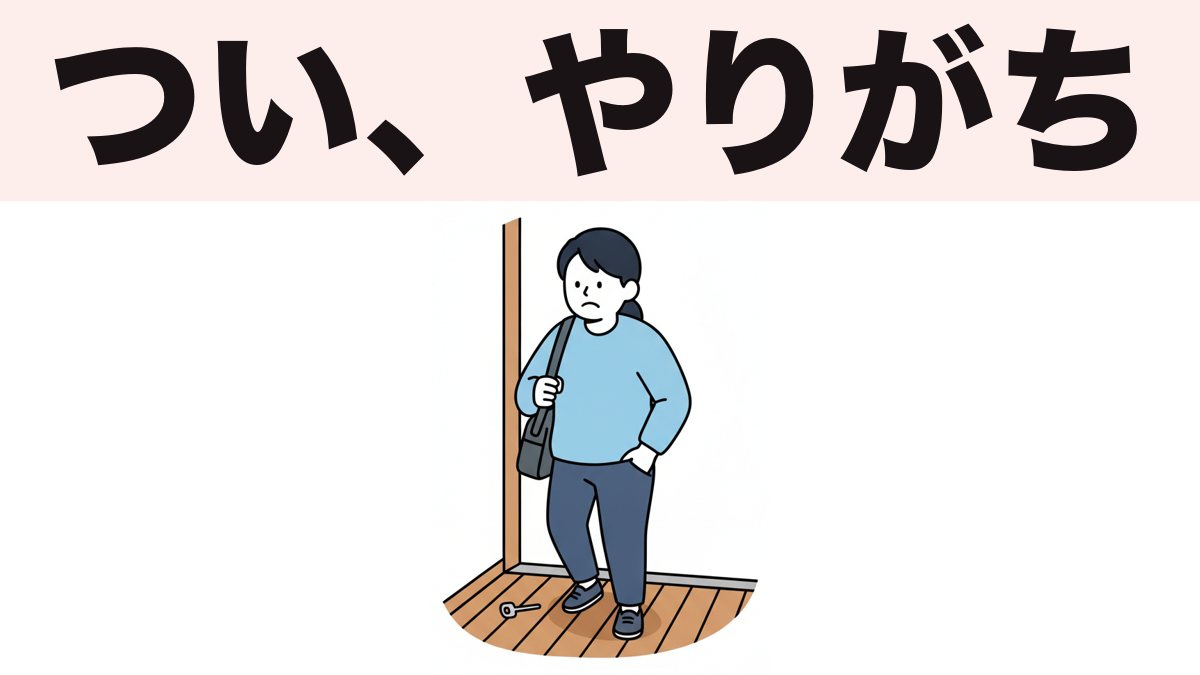
〜がち, 〜ぎみ, 〜っぽい: saying someone "tends to" in Japanese
〜がち marks a bad habit that repeats, 〜ぎみ marks a slight lean in that direction, and 〜やすい marks something that happens easily. And why 成功しがち is wrong.
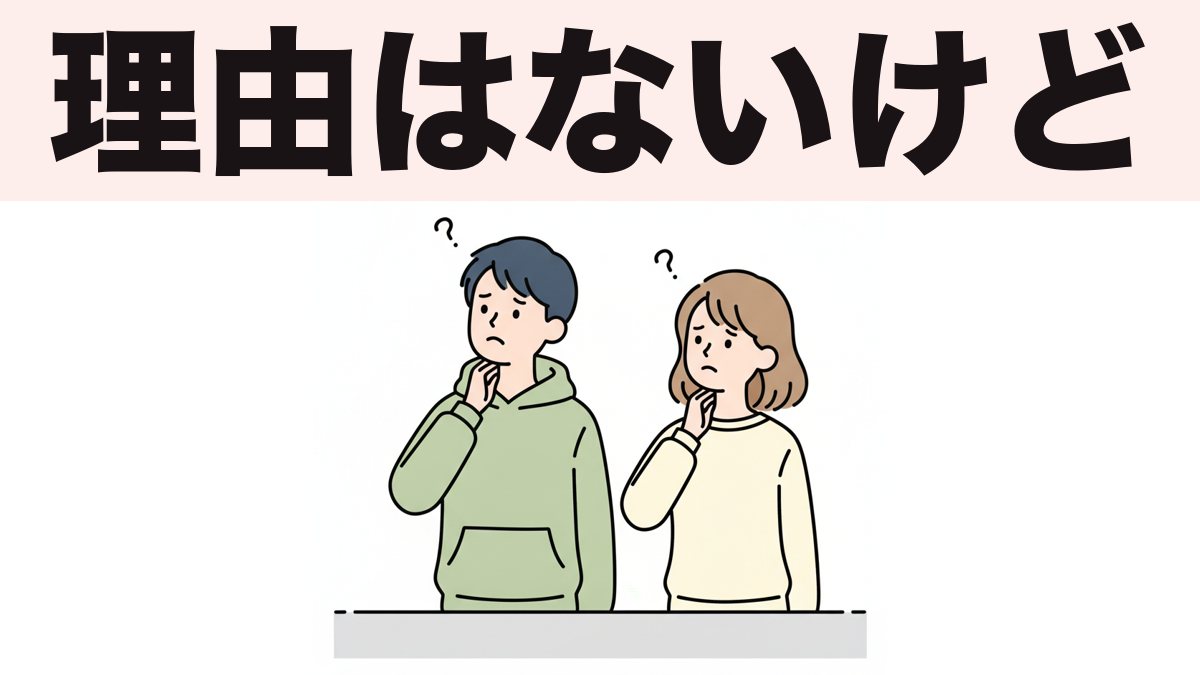
なぜか, なんだか, なんとなく: three ways to say "for some reason"
なぜか marks something outside you that has no explanation, なんだか marks a feeling inside you, and なんとなく means you did it with no reason at all.
〜にとって: the Japanese way to say "for me, this matters"
〜にとって marks whose point of view a judgement comes from — 私にとって大切です. It only works with evaluations, which is why 私にとって勉強します is wrong.
限る: 〜に限る, 〜とは限らない and the difference one negative makes
限る means "to limit". 〜に限る says this is the best option, 〜とは限らない says it is not necessarily so, and 〜限り sets a boundary. Here is the whole family.
くらい or ぐらい: which one, and why nobody can give you a rule
Learn why kurai and gurai are usually interchangeable in Japanese, where the choice is fixed, and how their uses extend beyond meaning about.
のせいで and のおかげで: the two Japanese words for "because of you"
Learn how no sei de assigns blame and no okage de gives credit in Japanese, how to build both forms, and when the ending changes from de to da.
には: not one particle but two, and why learners sprinkle it everywhere
には is に plus は. Once you can see the two jobs separately — target and topic — you know when to use it, and when the plain は you already had was enough.
How to say "at least" in Japanese: 少なくとも, せめて, 最低でも
Learn how sukunakutomo, semete, and saitei demo express different kinds of minimums, and choose the right Japanese phrase for at least.
〜場合: the "if" that belongs on a sign, not in a chat
Learn how to use baai wa for formal conditions in Japanese, how it differs from tara and toki, and why it can sound stiff among friends.
どうやって: how to ask "how" in Japanese — and the three words that all mean "how"
Learn when to use dou yatte, dou, and dou sureba in Japanese to ask about a method, how something is, or what you should do in a situation.
初めて, 最初に, 始めて: three words for "first," and only one is about doing it for the first time
Learn the difference between hajimete for a first experience, saisho ni for sequence, and the similar verb form meaning to begin in Japanese.
How to say "a lot" in Japanese: たくさん, いっぱい — and the one that cannot touch a noun
Learn how takusan, ippai, and ooi express large quantities in Japanese, why their grammar differs, and how to avoid common noun placement errors.
Or in Japanese: か (ka), それとも (soretomo) or または (matawa)?
Or in Japanese is か (ka) between nouns, それとも (soretomo) between questions, and または (matawa) in writing. Examples, a chooser, and the look-alike that means and.
〜以外: "other than," "except" — and the two opposite answers it can produce
Learn how igai means other than in Japanese, how positive and negative verbs change its effect, and how it compares with hoka ni and o nozoite.
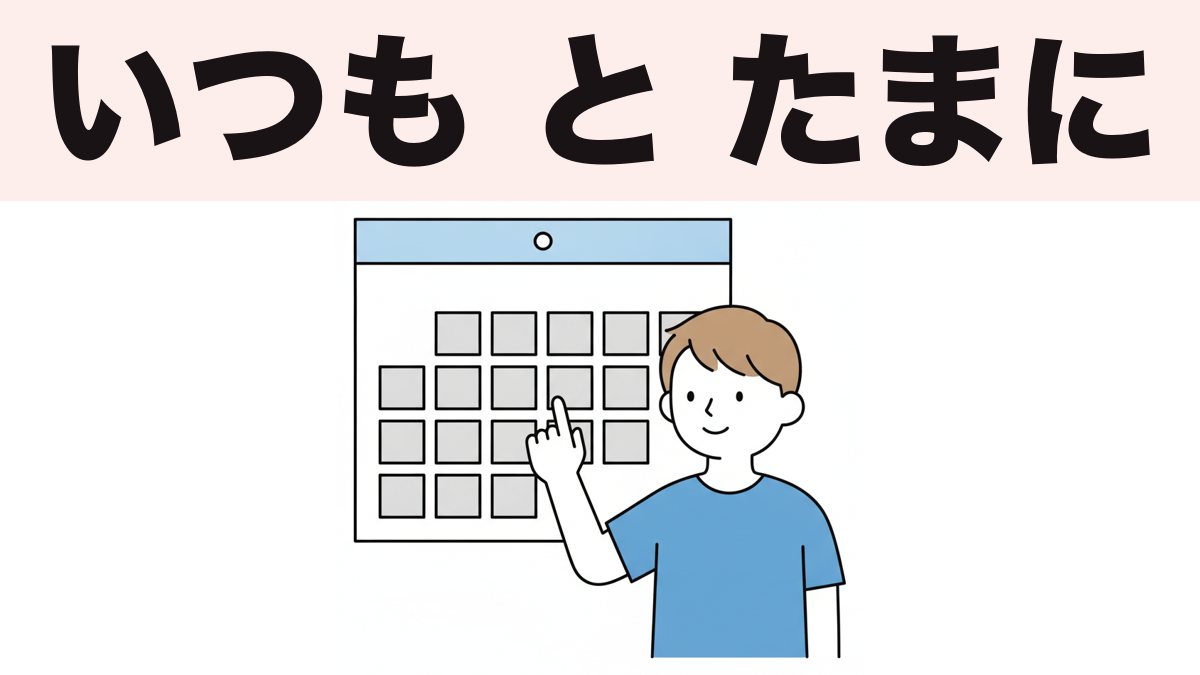
Japanese frequency adverbs: いつも, よく, ときどき — and the two that force a negative
いつも, よく, ときどき, たまに, あまり, ぜんぜん — the full frequency scale, where each one sits, and why あまり and ぜんぜん break the sentence if the verb is not negative.
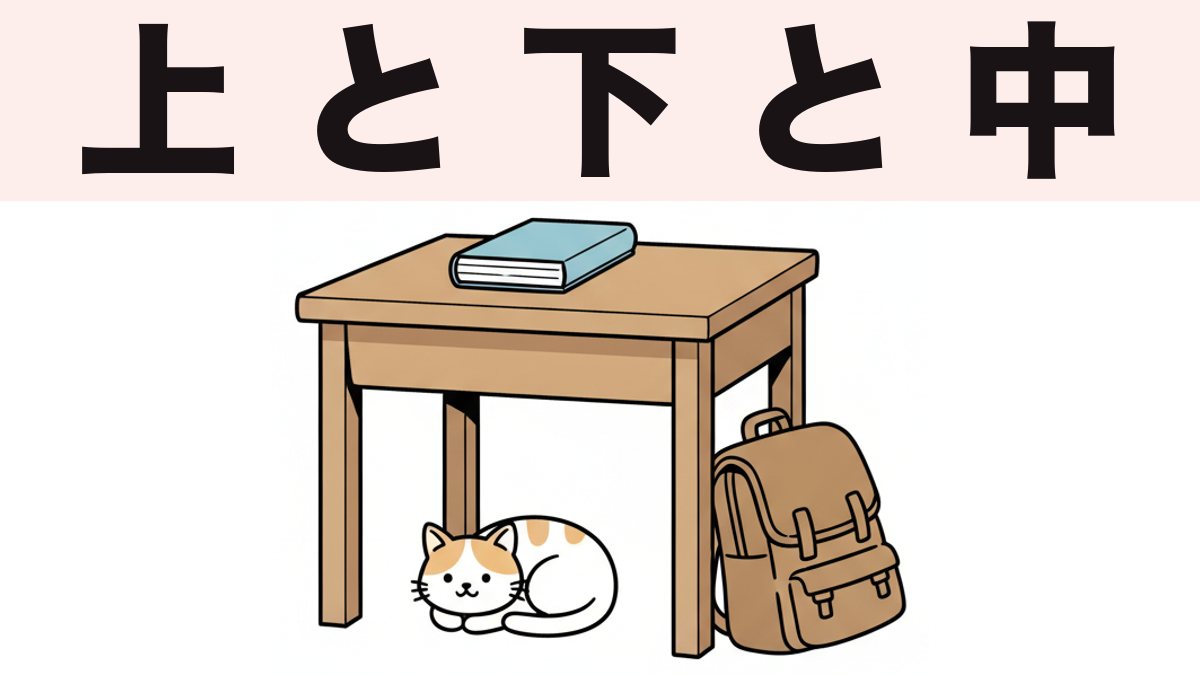
Japanese position words: 上, 下, 中, 前, 後ろ — and the の you cannot drop
Learn Japanese position words, how no connects them to nouns, and how choosing ni or de changes what you say about a location or activity.
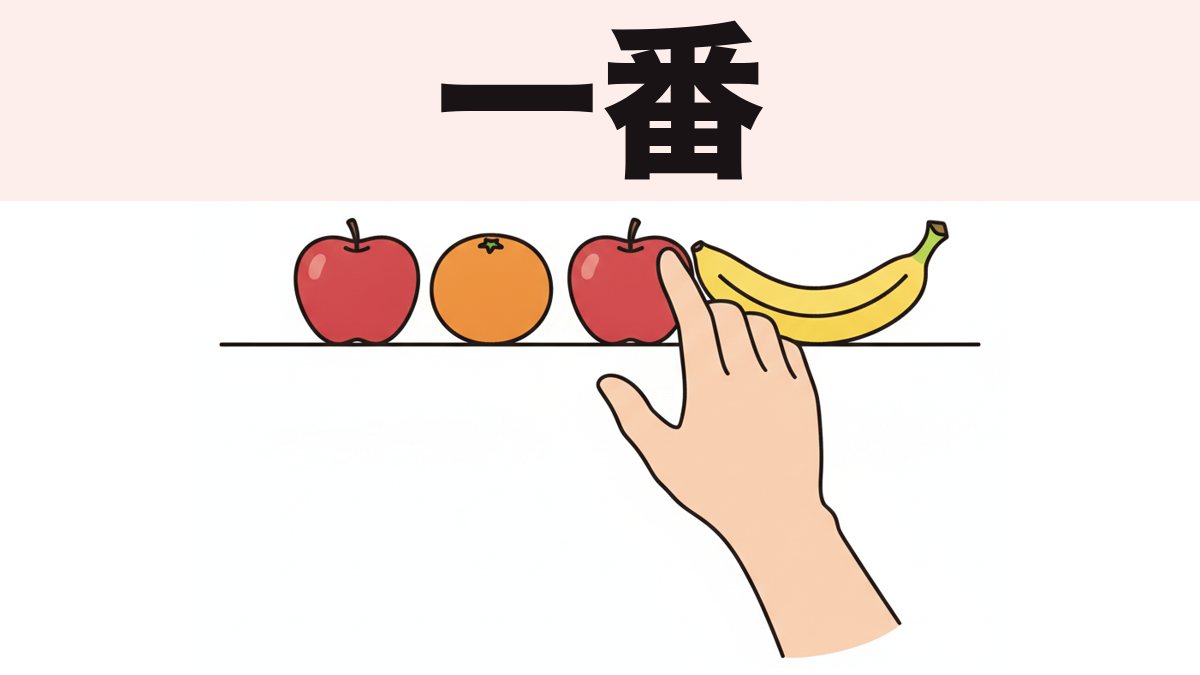
Japanese superlatives: 一番, 最も, and the の中で that makes them work
Learn how to form Japanese superlatives with ichiban, compare it with mottomo, and ask which option is best using natural question patterns.
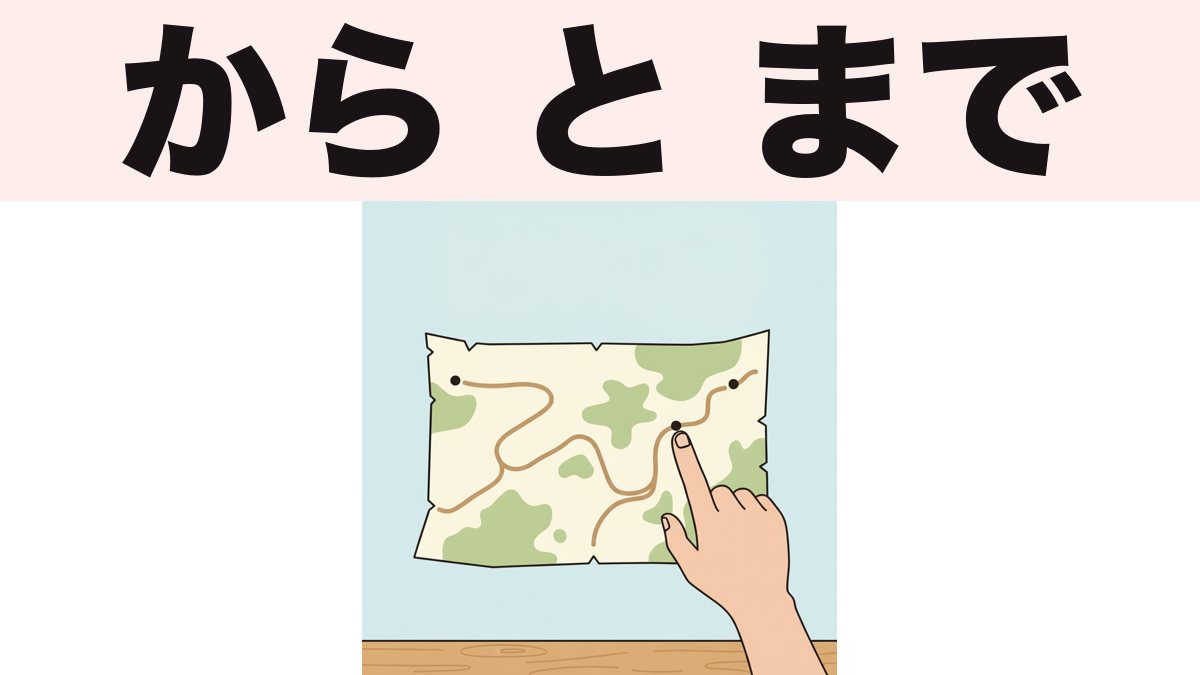
〜から〜まで: "from" and "to," and the one extra syllable that changes everything
Learn how kara and made mark starting and ending points in Japanese time and place, and why made ni changes until into a deadline meaning by.
慣れる: how to say "get used to it" in Japanese — and why it takes に, not を
Learn how nareru means to get used to in Japanese, why it takes ni, how its common forms describe progress, and how it differs from najimu.
〜について vs 〜として: "about" and "as", and why swapping them changes the sentence
Learn how ni tsuite marks a topic and to shite marks a role in Japanese, plus how ni taishite differs and how to use the noun form ni tsuite no.
〜という: the grammar for naming, quoting, and defining things
〜という attaches a name or a piece of speech to a noun: 田中という人, 忙しいということ. Here is what the と is doing, the four jobs という does, and why っていう is the same word.
How to say "both" in Japanese: 両方, どちらも, 〜とも and the one that flips to "neither"
Learn when to use ryouhou, dochira mo, futari tomo, and mo...mo for both in Japanese, and how a negative verb can change both to neither.
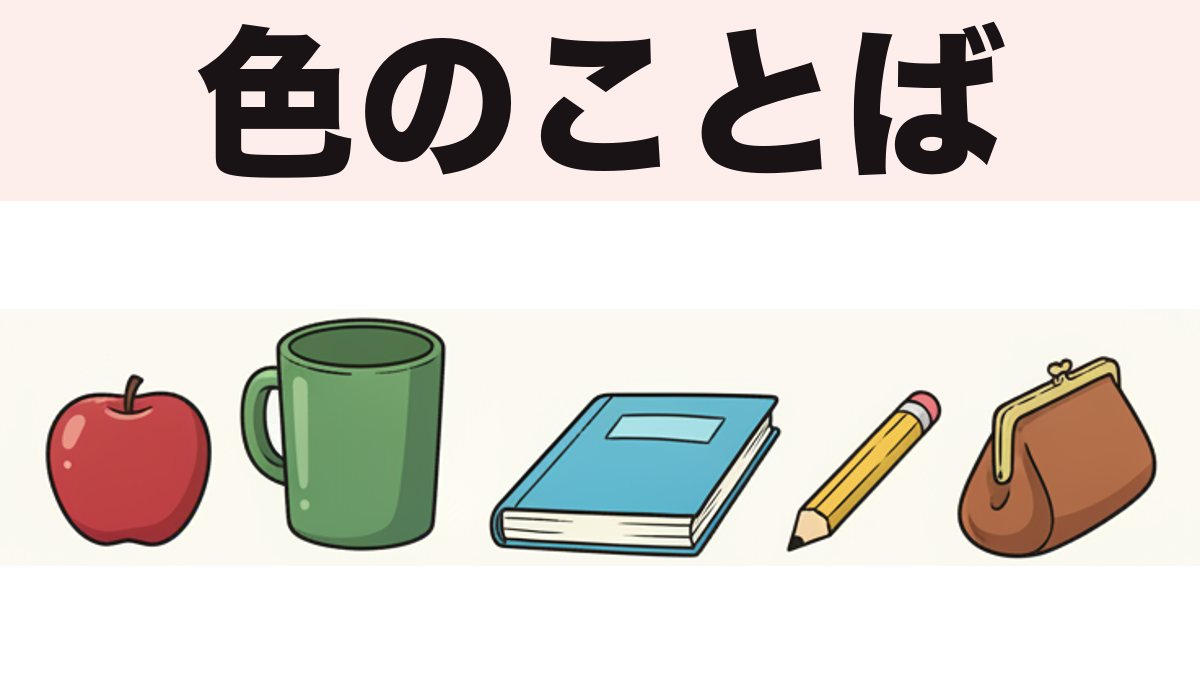
Japanese colours: why 赤い is an adjective and 緑 is not, and why the traffic light is blue
Learn Japanese color words, how adjective and noun forms differ, when to use no, and why ao can describe things that English speakers call green.
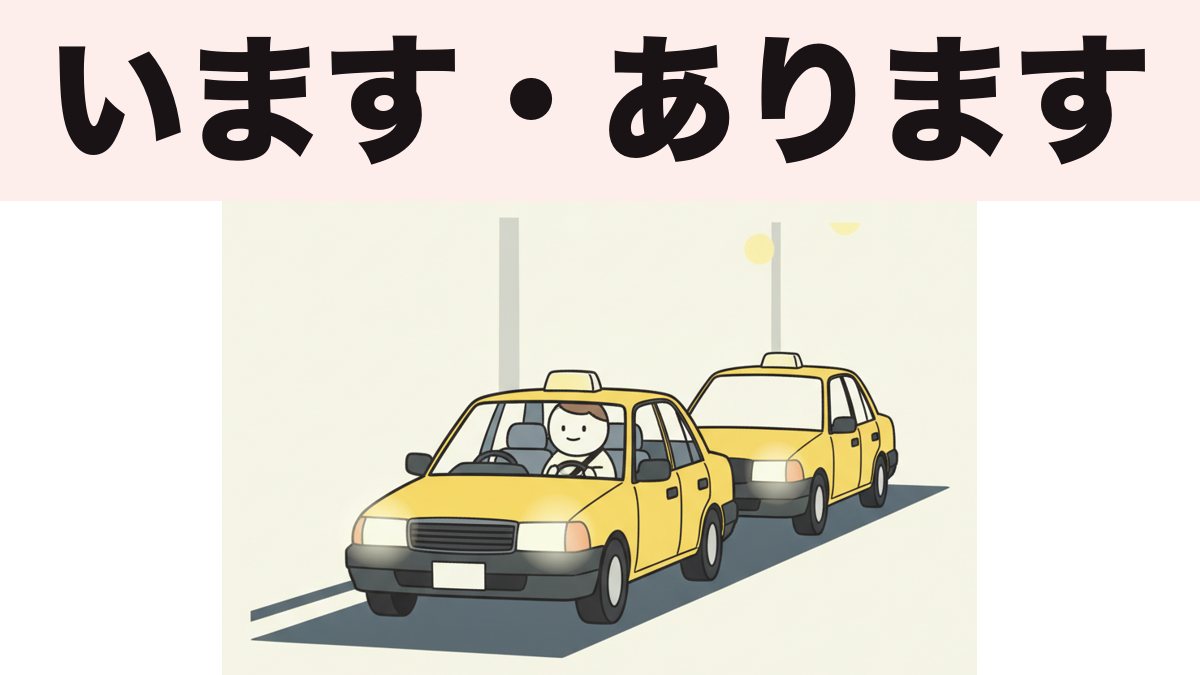
ある vs いる: two verbs for "there is," and the line is not quite "alive"
いる is for things that move by themselves, ある for everything else. Plants take ある, a taxi takes either, and ある also means an event is happening.
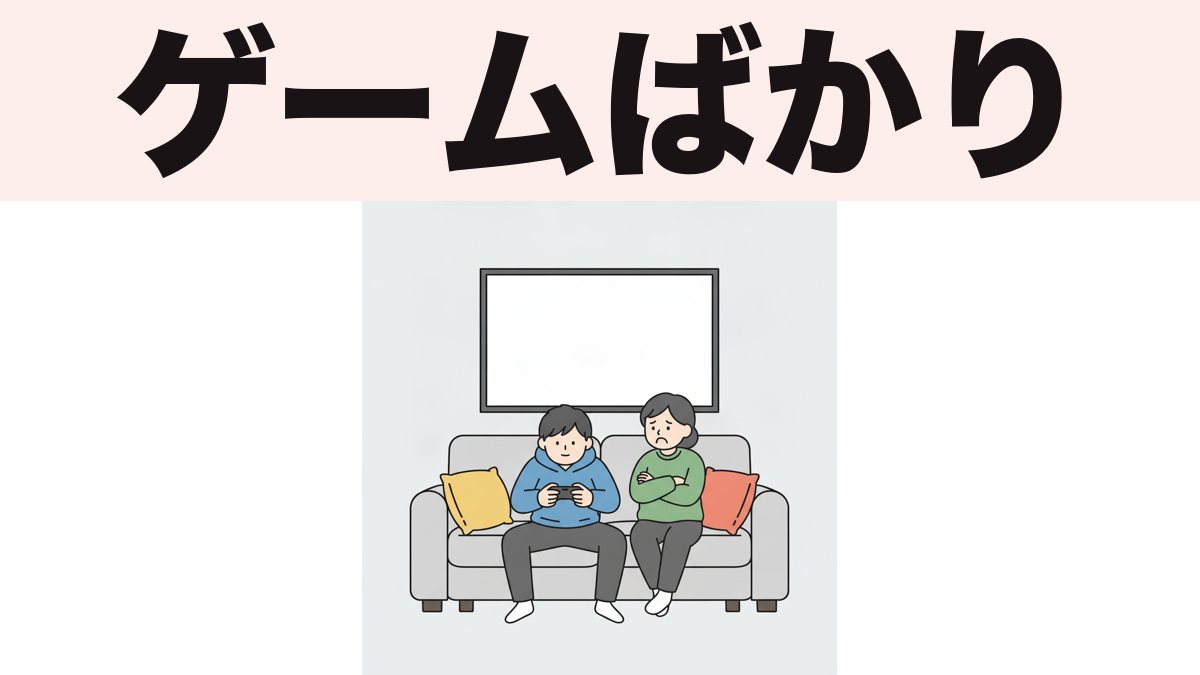
〜ばかり: "nothing but," "just did," and the complaint hiding in both
ばかり after a noun means "nothing but" and usually criticises. After a past verb it means "just did." Same word, two jobs, and the た version is subjective.
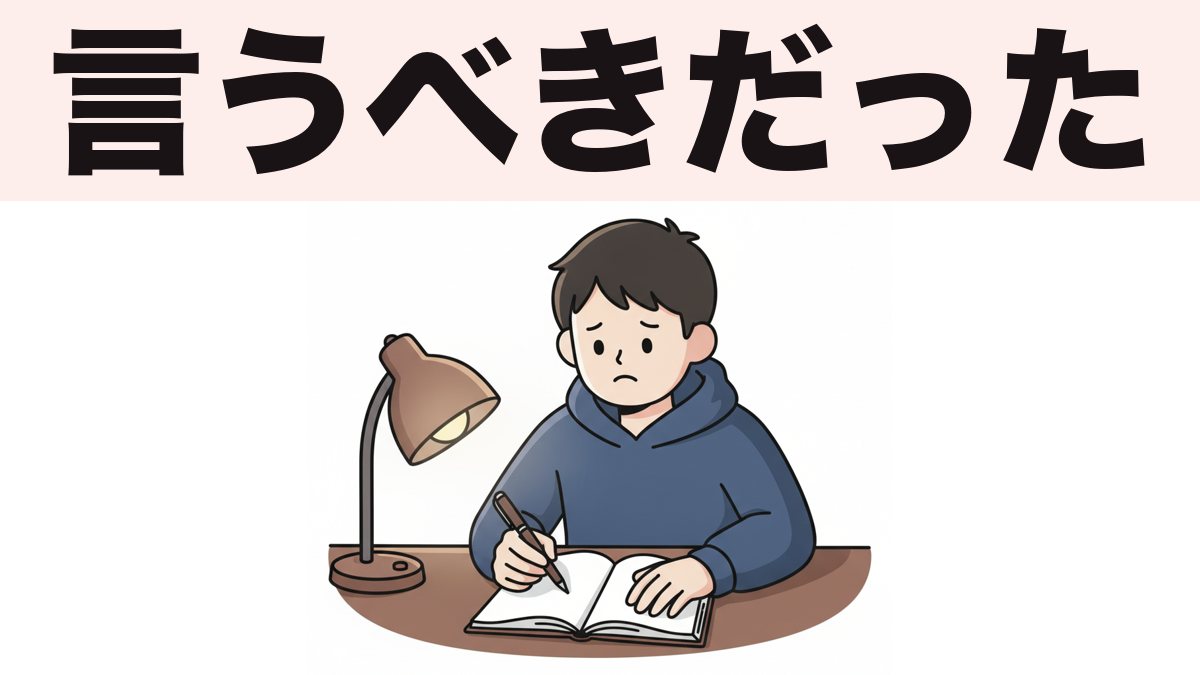
〜べき: the "should" that judges, and when not to use it
べき is a moral should — what is right, not what is advisable. Pointed at a person it sounds preachy, which is why ほうがいい exists.
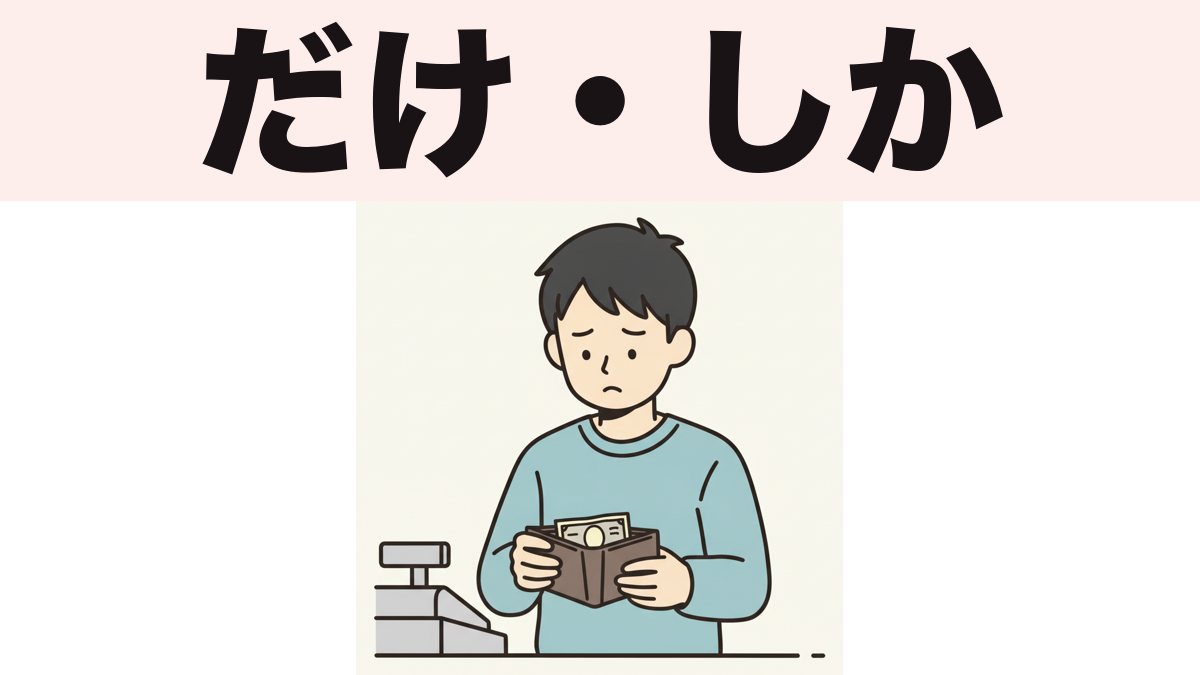
だけ vs しか: two words for "only," and one of them is a complaint
だけ states a fact. しか demands a negative verb and adds "and that is not enough." 1000円だけあります and 1000円しかありません are different feelings.
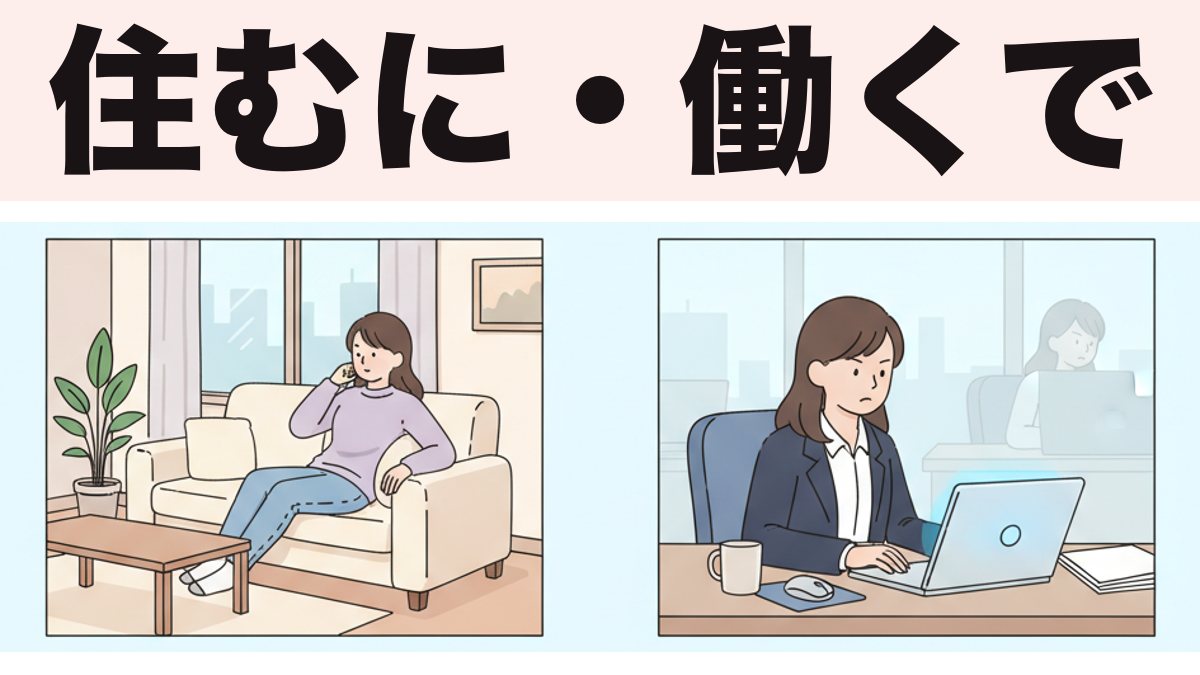
で vs に: the particle pair that decides whether you live or work somewhere
に marks a point — a destination, a location of existence, a time. で marks where an action happens. 東京に住む but 東京で働く, and the verb decides.
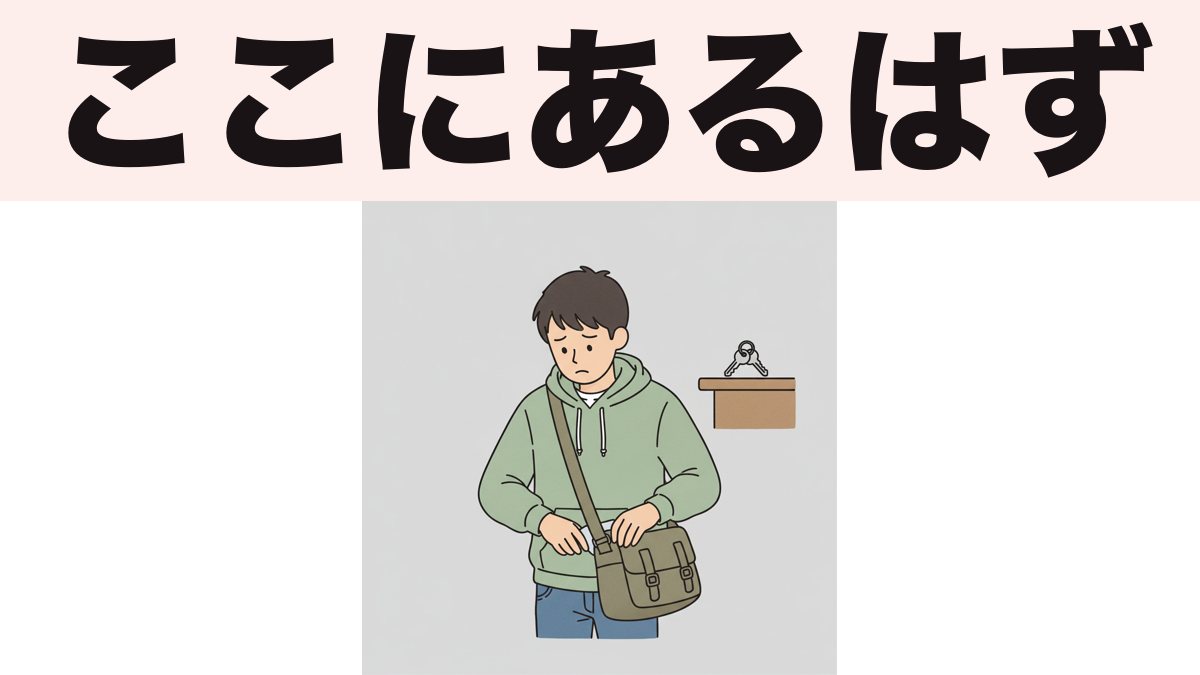
〜はず: the "should" that is a prediction, not an obligation
はず means "it should be so, based on what I know." It never means "you should do this" — that is べき, and English hides the difference behind one word.
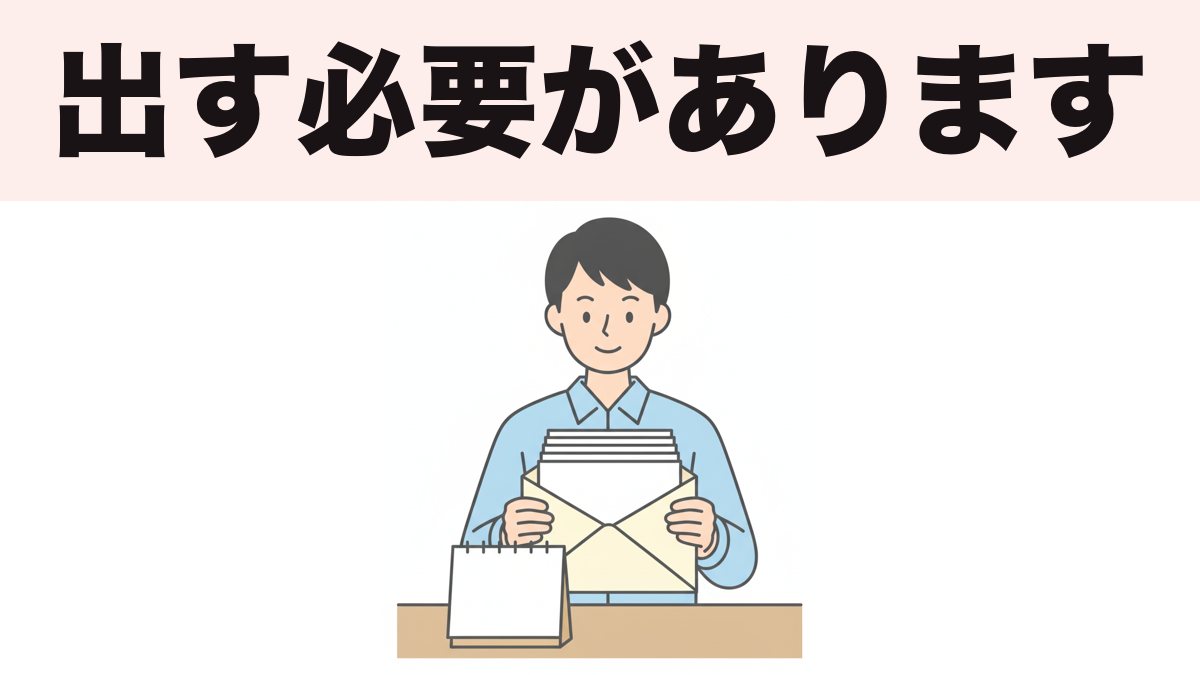
〜必要がある: the calm way to say "you need to" in Japanese
必要がある states a need as a fact instead of an obligation. It is the register difference between "you have to" and "there is a need to" — and it uses が, not です.
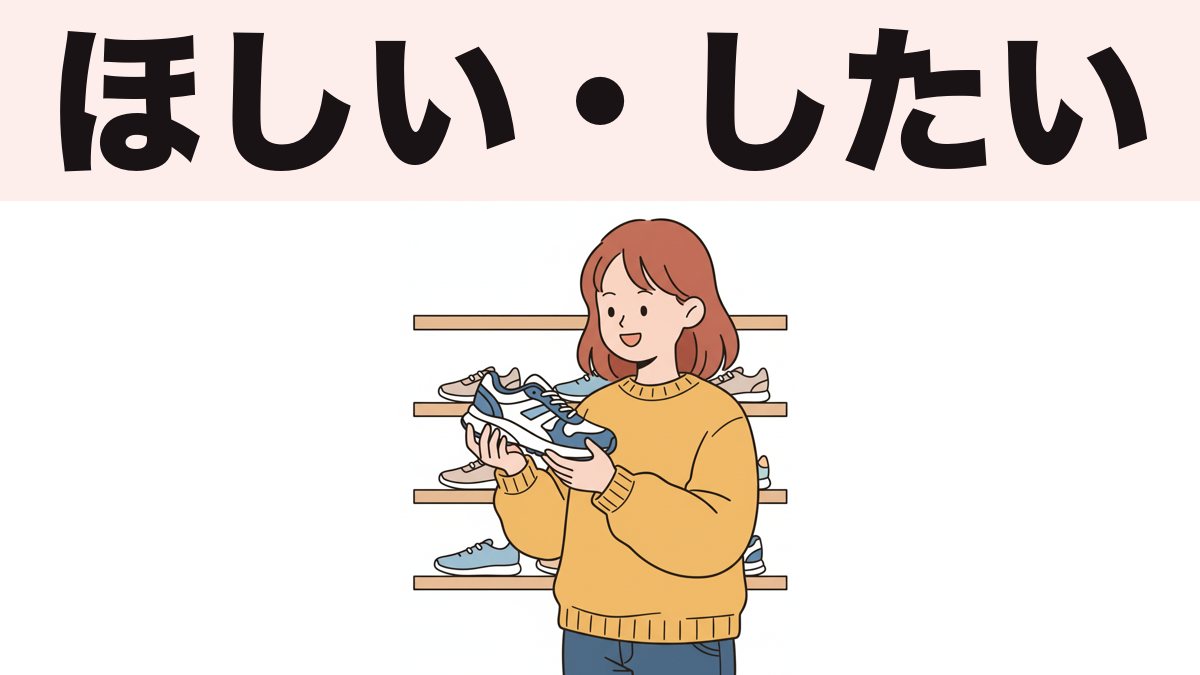
ほしい vs たい: wanting a thing, wanting to do, and wanting someone else to
ほしい wants a noun, たい wants a verb, and neither can be used about another person. 彼は行きたいです is wrong — it has to be 行きたがっています.
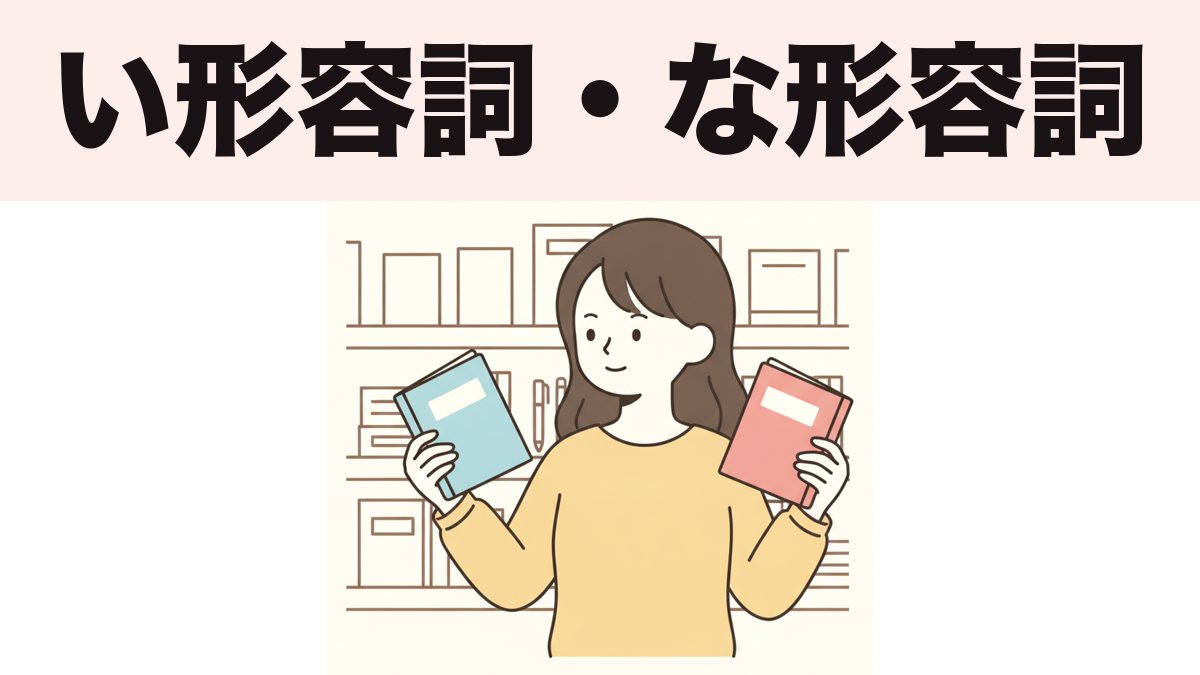
い-adjectives vs な-adjectives: the split, and the words that lie about it
い-adjectives conjugate themselves; な-adjectives behave like nouns. きれい and 嫌い end in い and belong to the second group, which is where everyone gets caught.
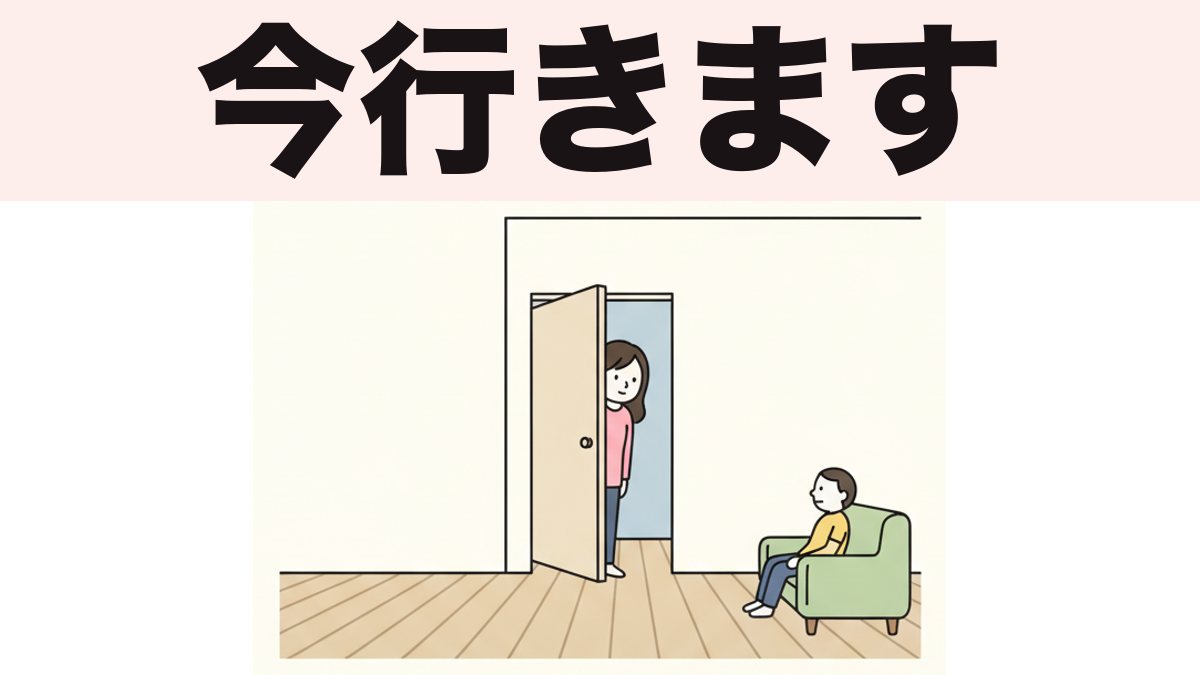
行く vs 来る: why "I'm coming!" is 今行きます in Japanese
来る means movement toward where the speaker is, not toward the listener. That is why answering a call with 来ます is wrong, and 行きます is right.
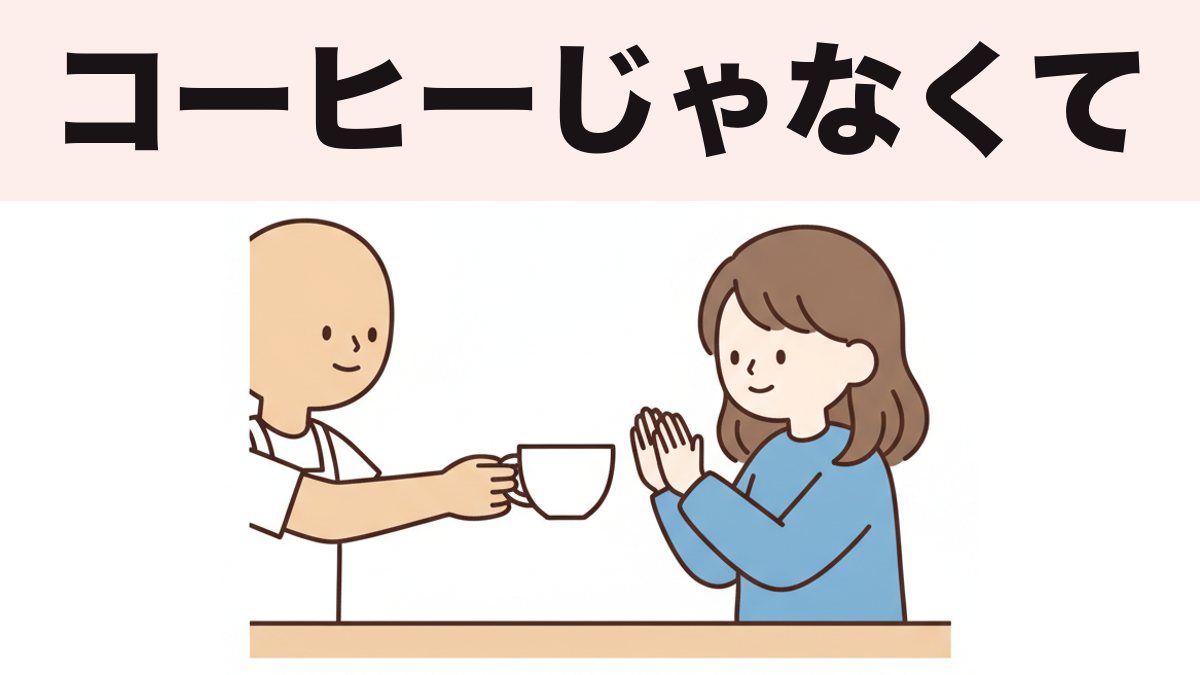
〜じゃなくて: how to say "not this, but that"
じゃなくて is the connecting negative for nouns: 学生じゃなくて、先生です. い-adjectives take くなくて, and verbs split between なくて and ないで depending on meaning.
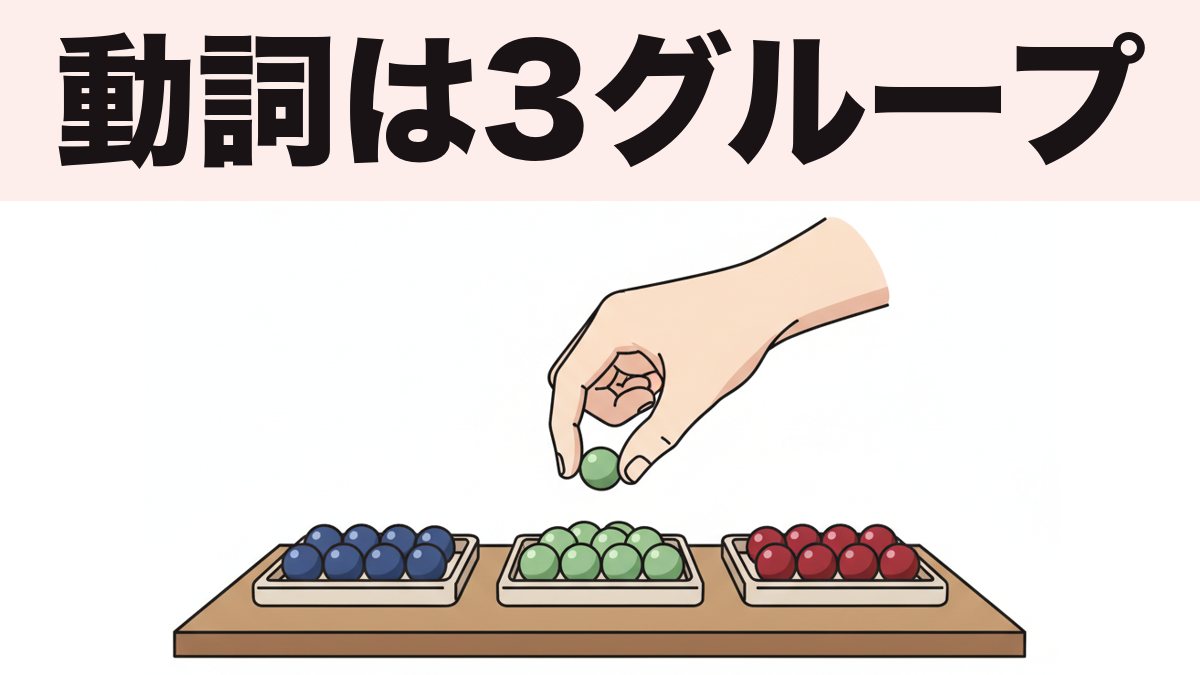
Japanese verb groups: the three-way split every conjugation depends on
Group 1, Group 2 and the two irregulars. Some Group 1 verbs end in る too — 帰る, 走る, 知る — and the negative form is the test that never lies.
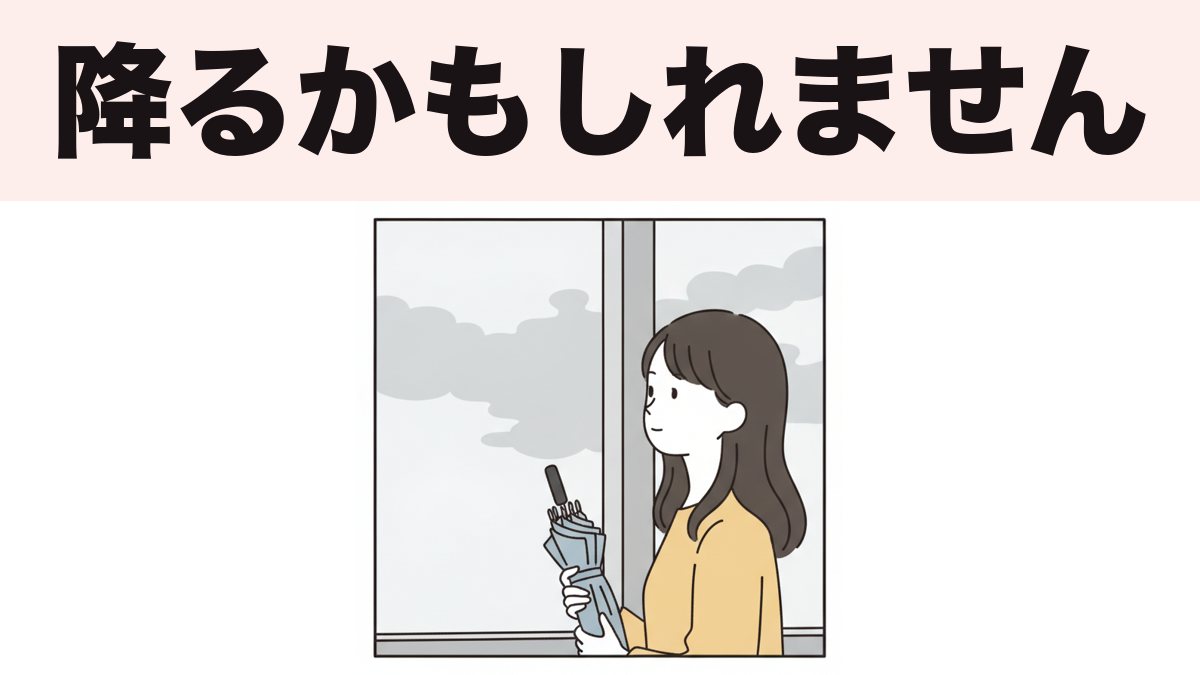
かもしれない: "maybe," and the だ you have to delete
かもしれない attaches to the plain form, but nouns and な-adjectives drop their だ first. 学生だかもしれない is wrong; 学生かもしれない is right.
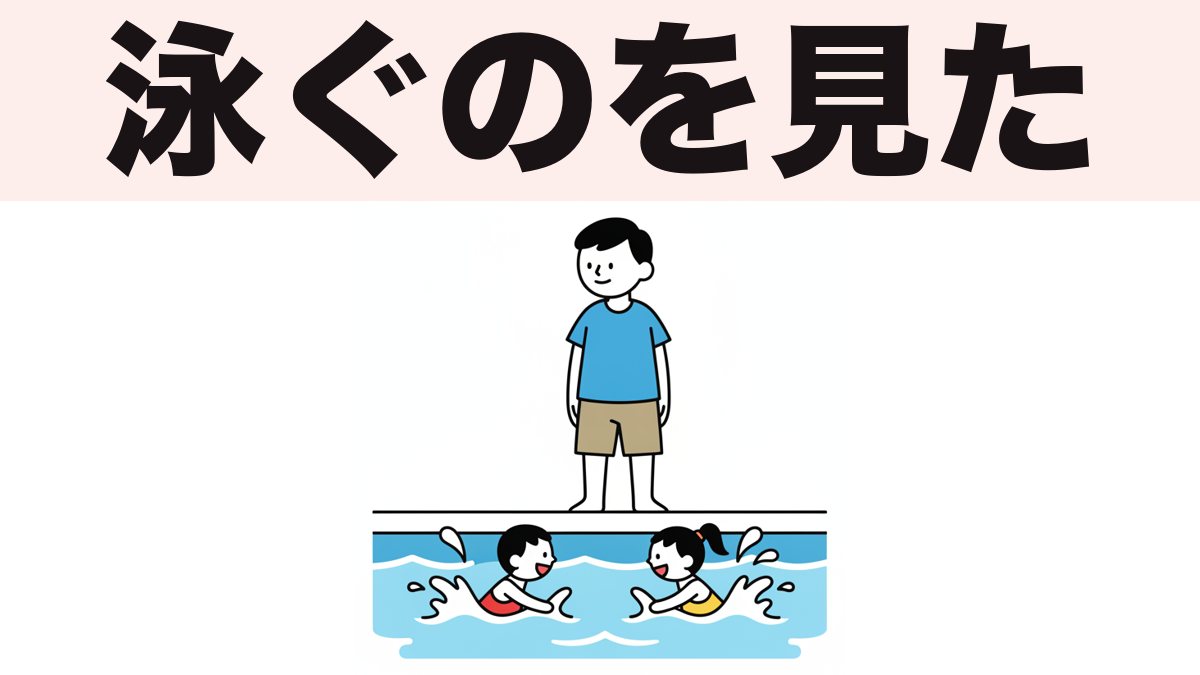
こと vs の: two ways to turn a verb into a noun
こと is for abstract facts, の for things you can see and hear. 泳ぐのを見た, never 泳ぐことを見た — and some verbs only accept one of them.
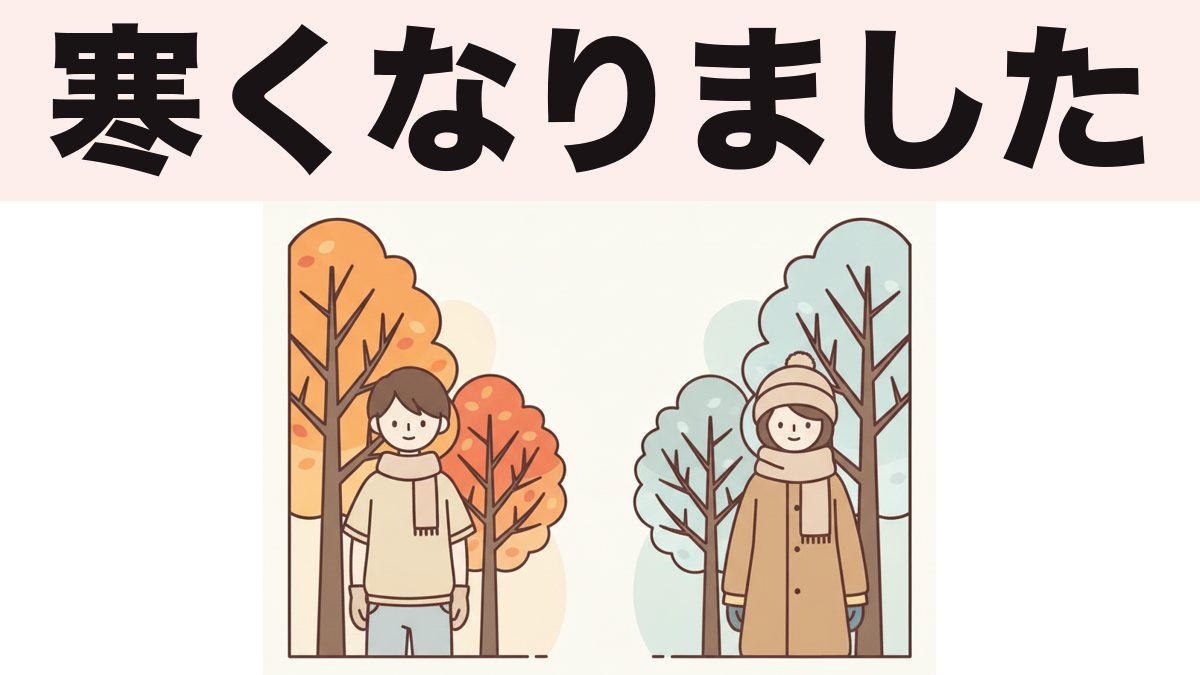
〜くなる and 〜になる: how Japanese says "become"
い-adjectives take く, な-adjectives and nouns take に, and then both take なる. 忙しいになる is the error almost every beginner makes at least once.
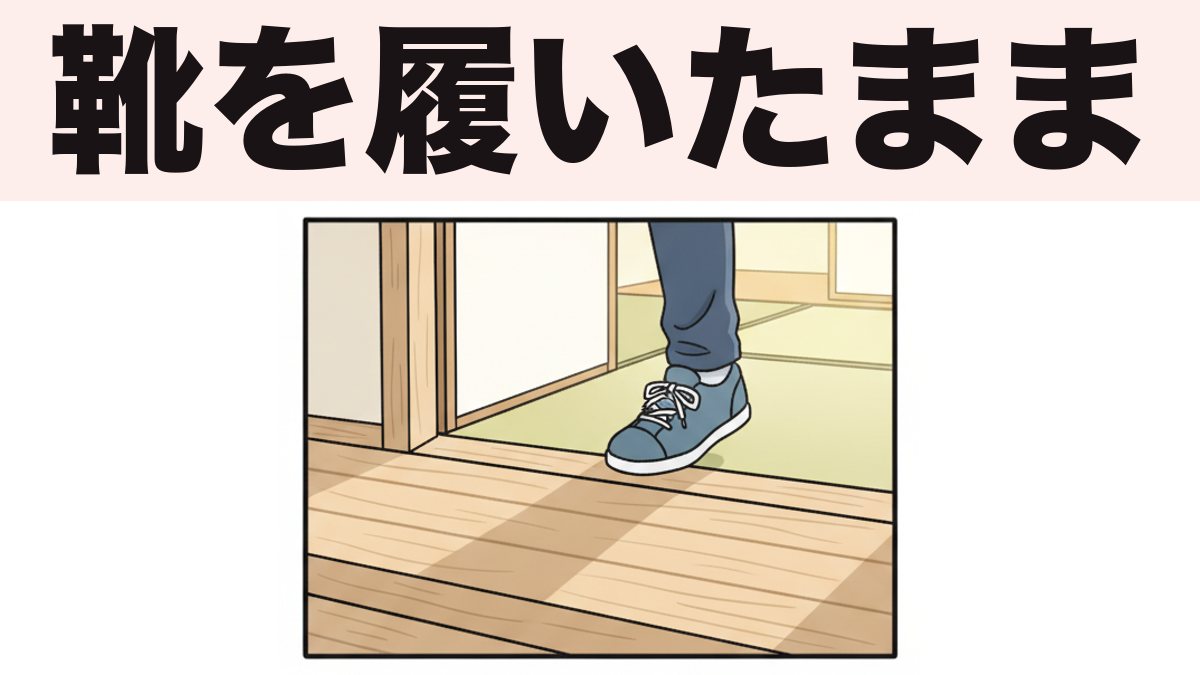
〜まま: "as it is," and why it takes the past form
まま describes a state left unchanged. It takes the past form for verbs — 靴を履いたまま, never 履くまま — and そのまま is the phrase you will use most.
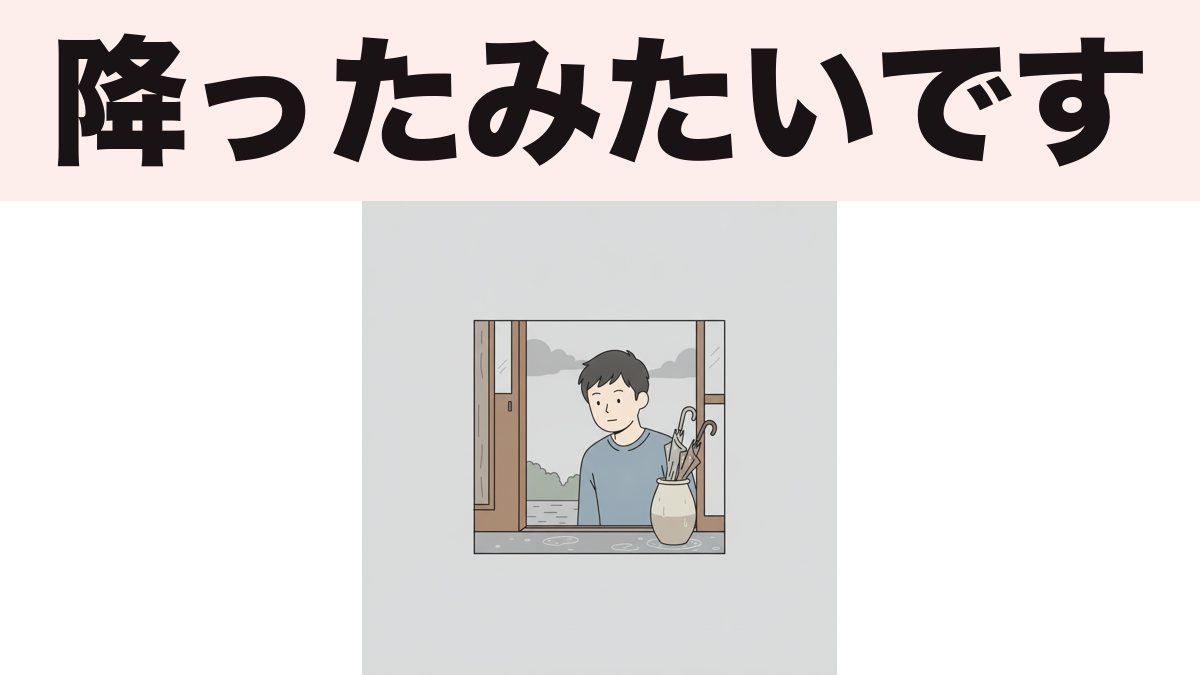
みたい, らしい, ようだ: three ways to say "apparently," and who told you
ようだ is your own judgement, みたい is its casual twin, and らしい means you heard it somewhere. The attachment rules differ too, which is where it gets messy.
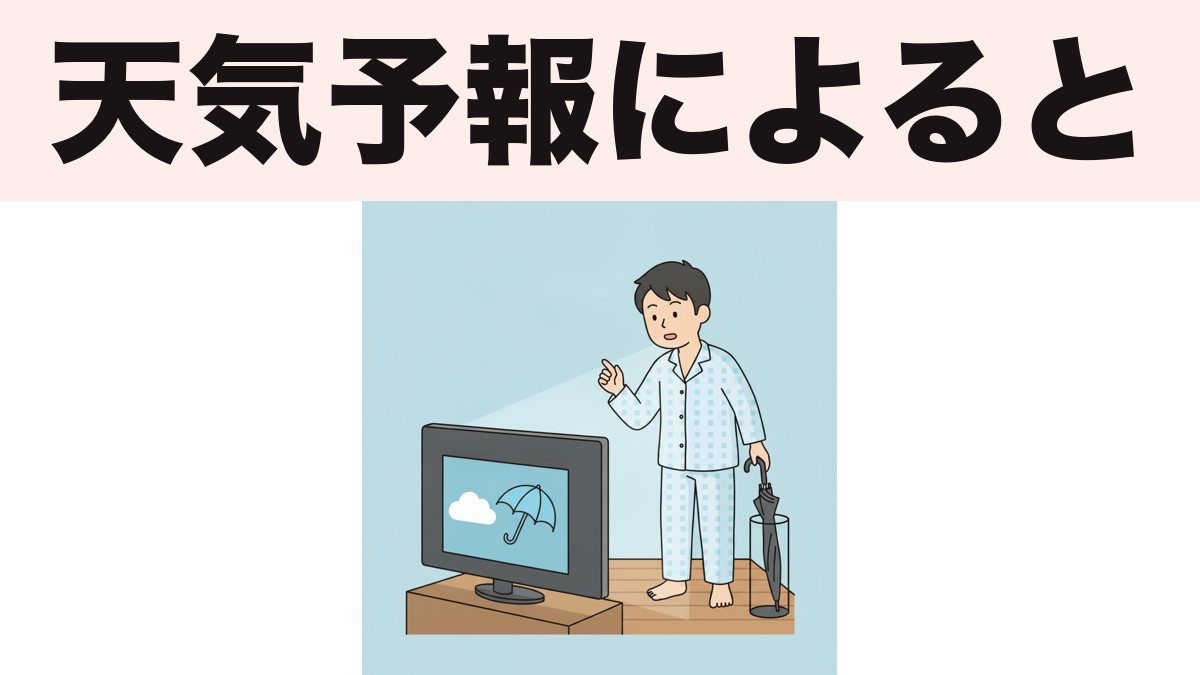
〜によると: "according to," and the そうです you must not drop
〜によると names your source, and the sentence has to end in そうです or らしいです. Ending it flatly turns reported information into your own claim.
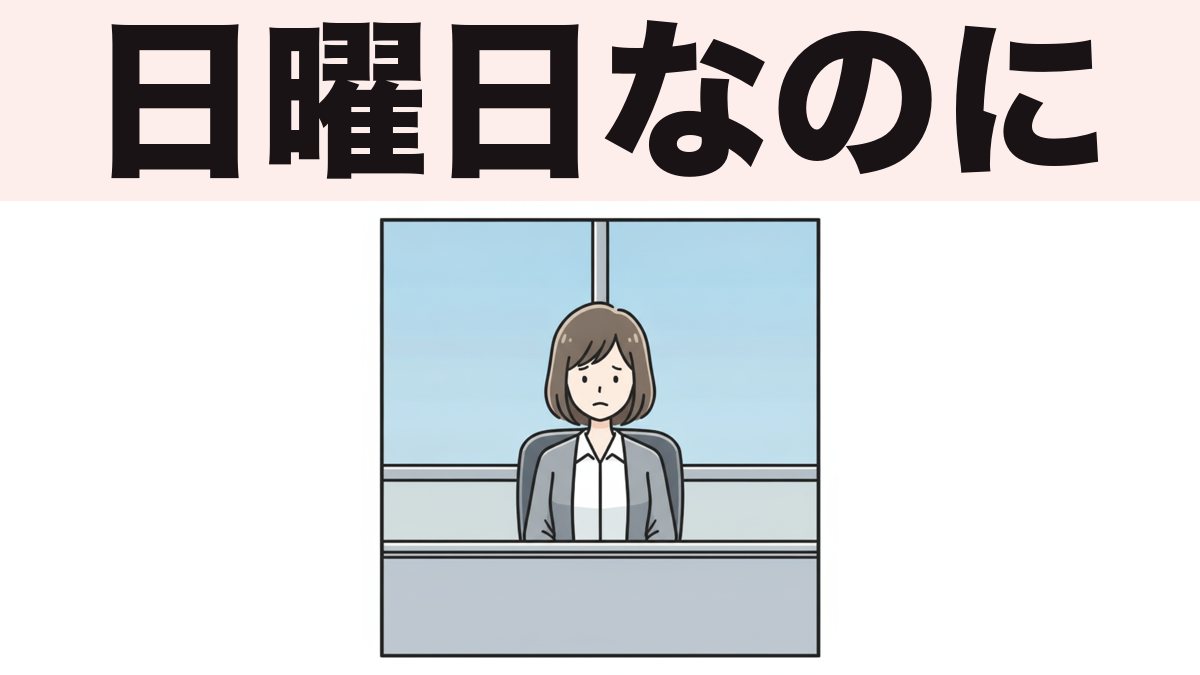
〜のに: "even though," with a complaint built in
のに means "even though" and adds disappointment or surprise. けど is the neutral version. If you would not roll your eyes saying it, use けど.
Nani mo: how do you say "nothing" in Japanese?
Nani mo with a negative verb means "nothing"; dare mo means "nobody" and doko ni mo "nowhere". For example, 何も食べません means "I eat nothing."
〜すぎる: "too much," and the い you have to drop
すぎる attaches to a verb stem or a bare adjective: 高すぎる, not 高いすぎる. It becomes a Group 2 verb, and in casual speech it stops meaning "too" at all.
〜たびに: "every time," and why 3日たびに is wrong
〜たびに needs an occasion, not a clock. Every time you meet someone is 会うたびに; every three days is 3日ごとに. The two are not interchangeable.
ために vs ように: two ways to say "in order to," and only one is right
ために needs a verb you control; ように needs one you do not. That single test decides which to use, and it explains why 忘れないために is wrong.
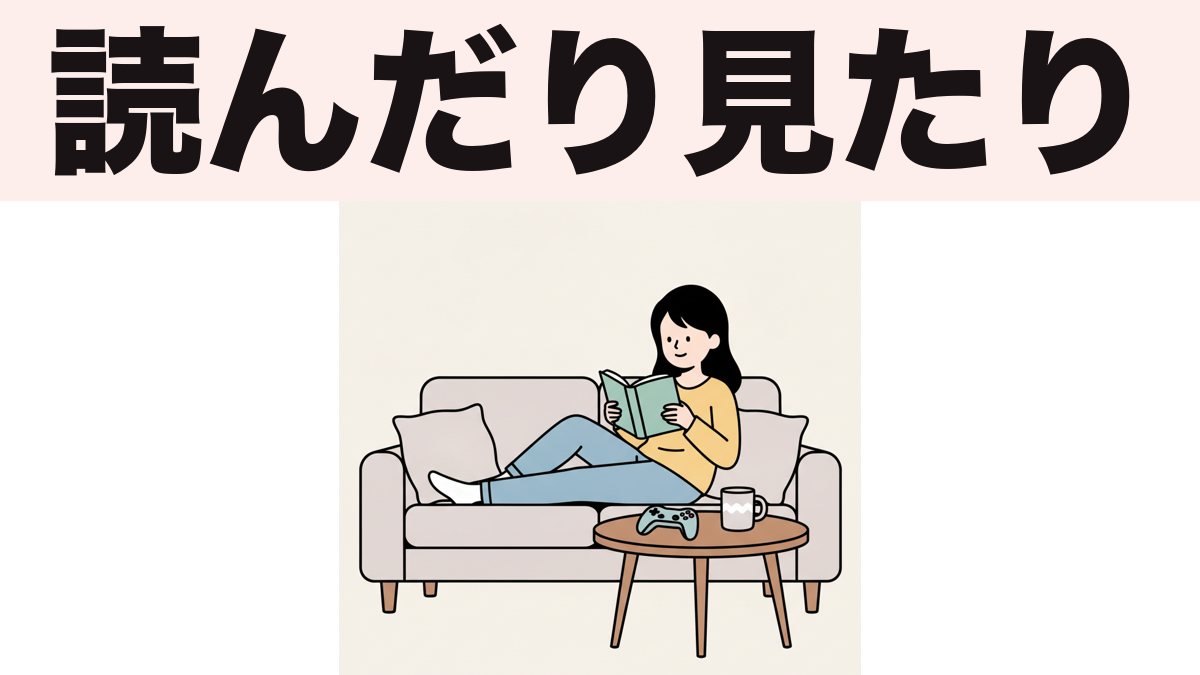
〜たり〜たり: the list that says "and other things like that"
〜たり〜たりする lists example actions and implies you left some out. It is built from the past form, and the sentence must end in する — the piece learners drop.
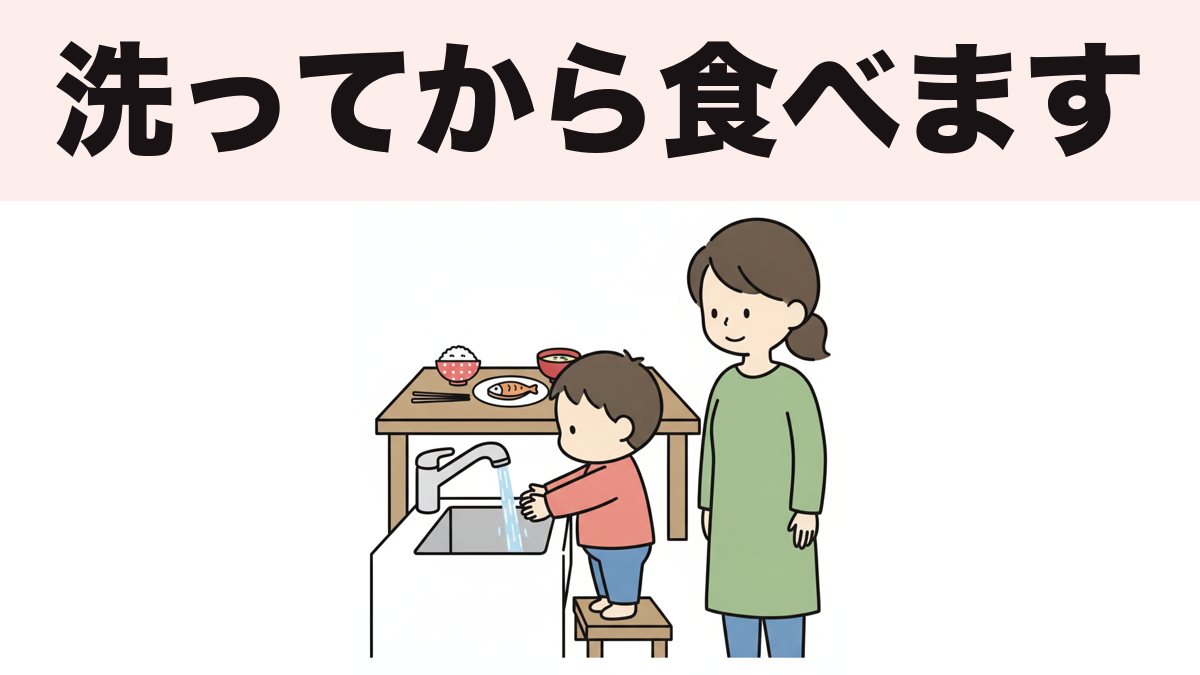
〜てから: "after doing," and why 食べたから means something completely different
〜てから says one action must finish before the next begins. Swap the て for a た and you get 食べたから — "because I ate" — which is a different sentence entirely.
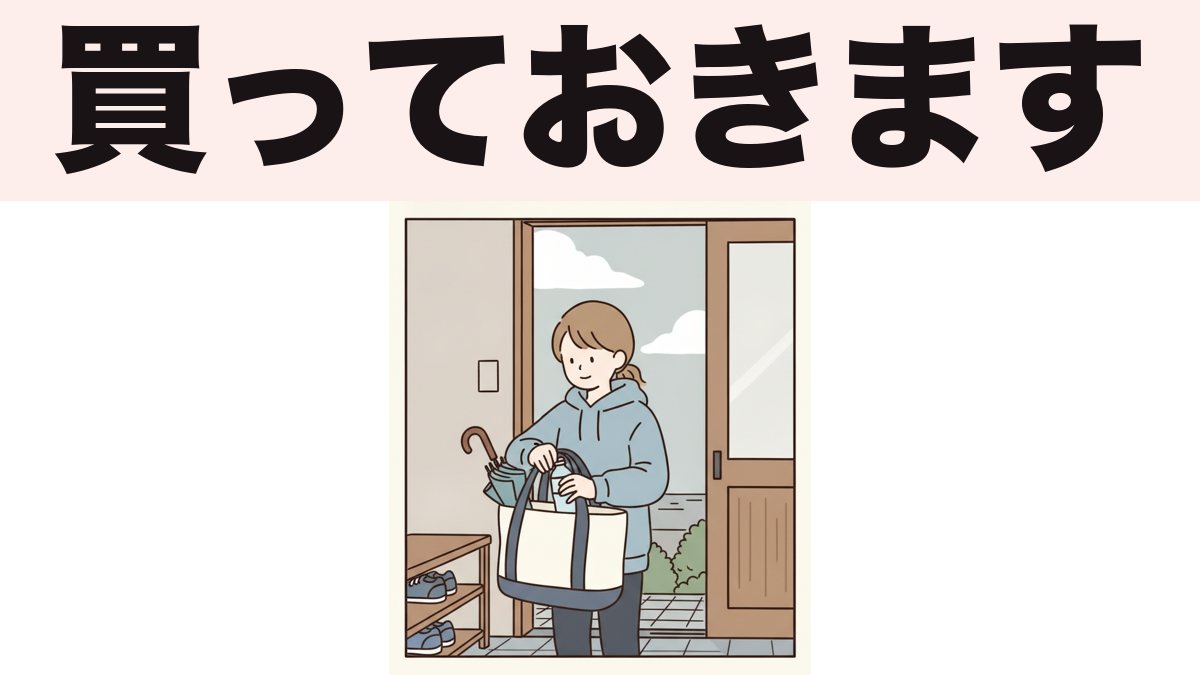
〜ておく: doing something now so future you does not have to
〜ておく means doing something in advance, or leaving it as it is. In speech it collapses to 〜とく, which is why 買っとく sounds like a word you never learned.
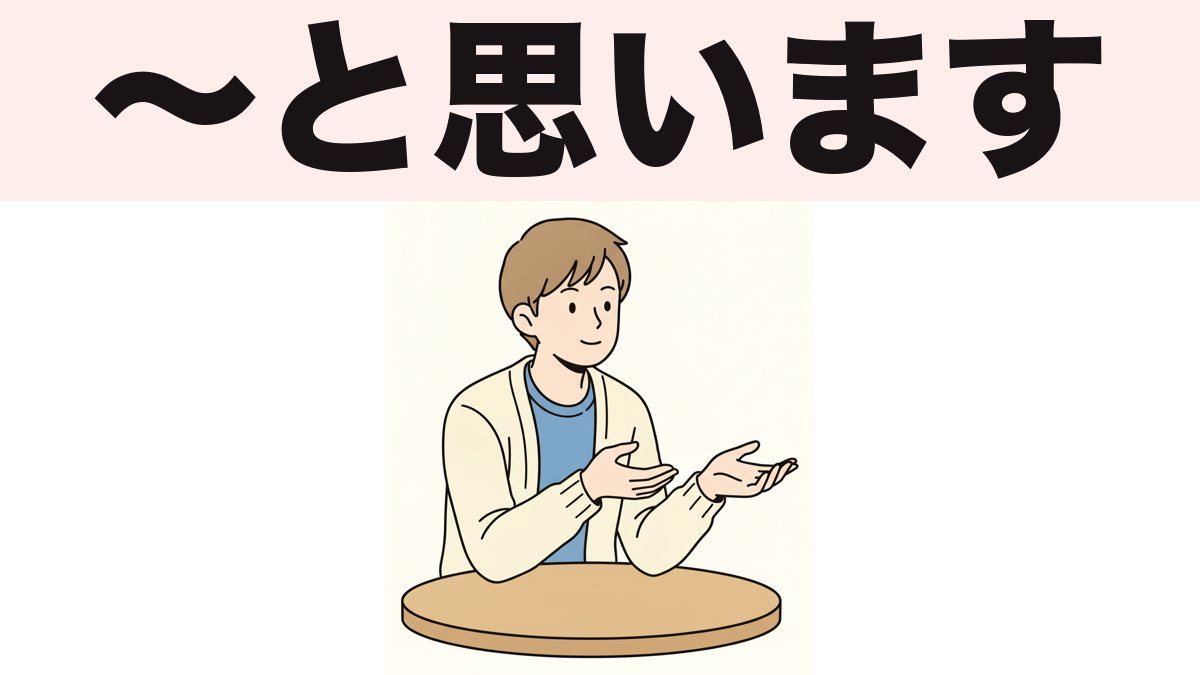
〜と思います: the quotation particle, and why です never goes in front of it
と quotes a whole sentence, and what it quotes must be in plain form. 高いですと思います is wrong; 高いと思います is right. The politeness lives on 思います.
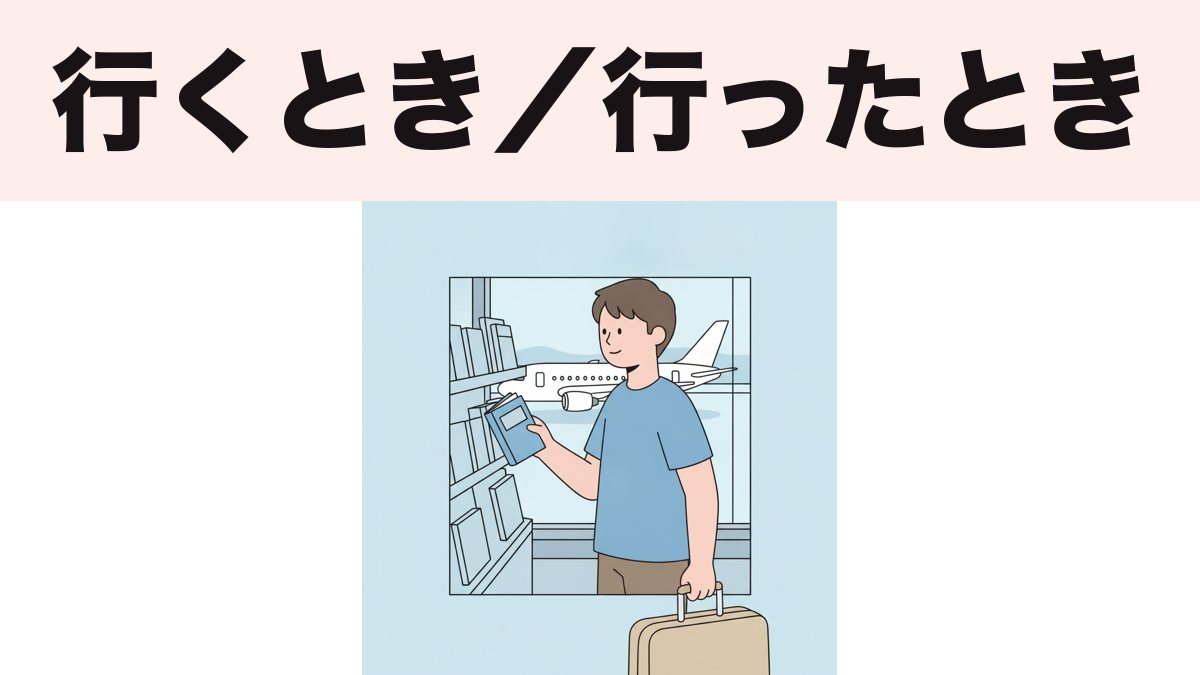
〜とき: why 行くとき and 行ったとき are two different moments
〜とき means "when," but the tense in front of it is relative, not absolute. 日本に行くとき happens before you arrive; 日本に行ったとき happens after.
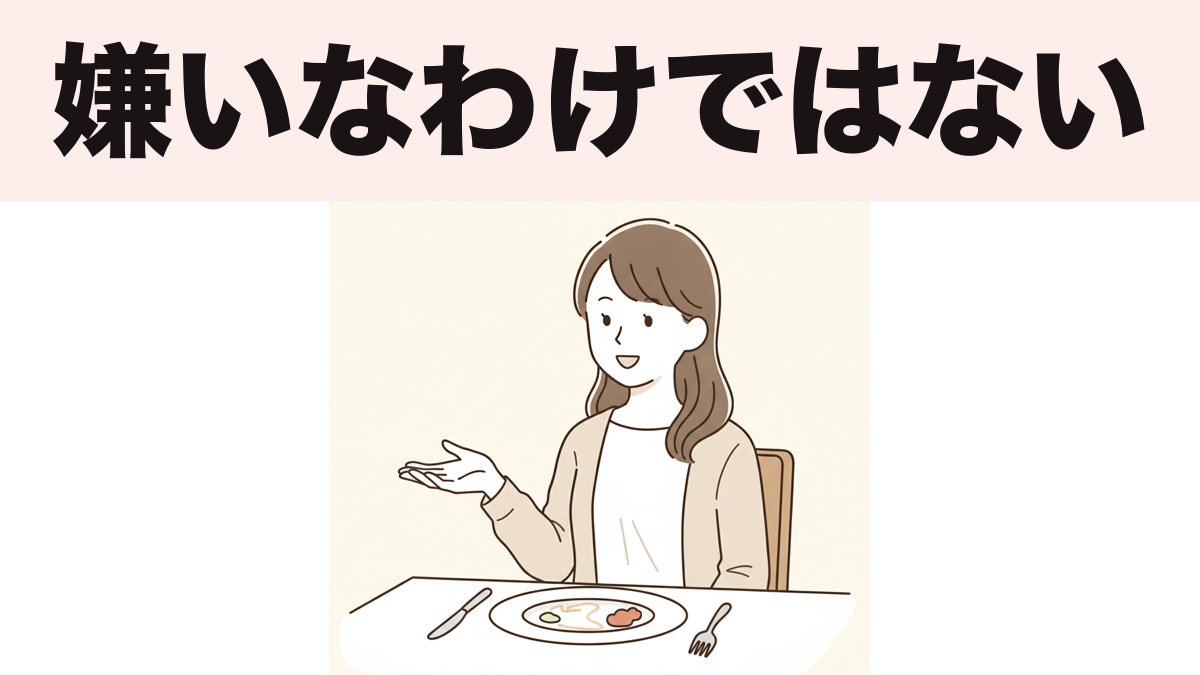
わけ: わけだ, わけではない, わけがない, わけにはいかない
One noun, four grammar points. わけではない is a partial denial, わけがない is a flat impossibility, and mixing them up makes you sound much harsher than you meant.
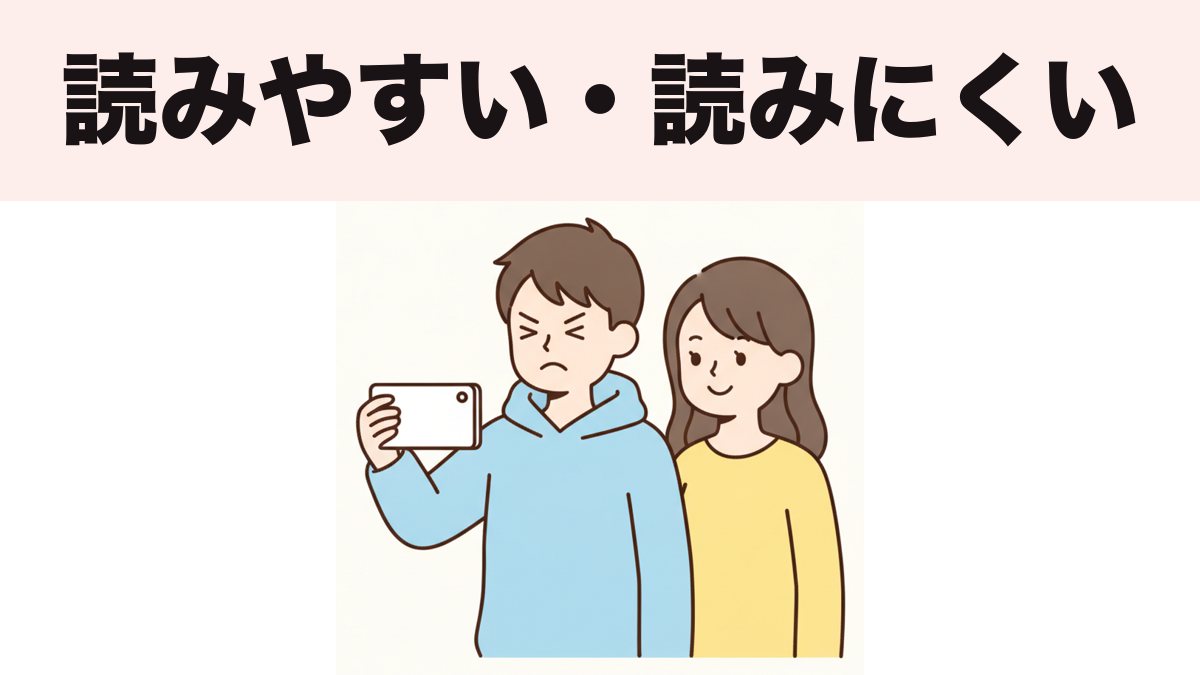
〜やすい and 〜にくい: easy to do, hard to do, and prone to happening
Add やすい or にくい to a verb stem and you get a new い-adjective. But やすい also means "tends to," which is a different idea hiding in the same ending.
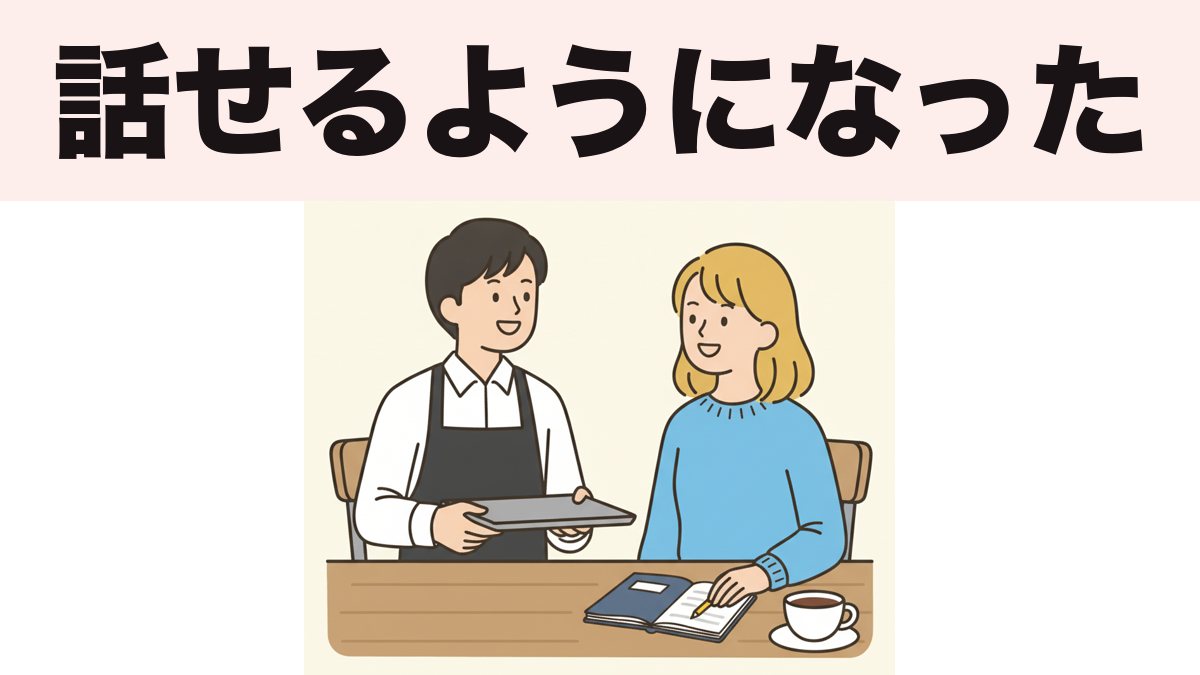
〜ようになる: the grammar for "I can do it now, and I could not before"
〜ようになる marks a change in ability or habit that happened gradually. It is the sentence every learner actually wants: 日本語が話せるようになりました.
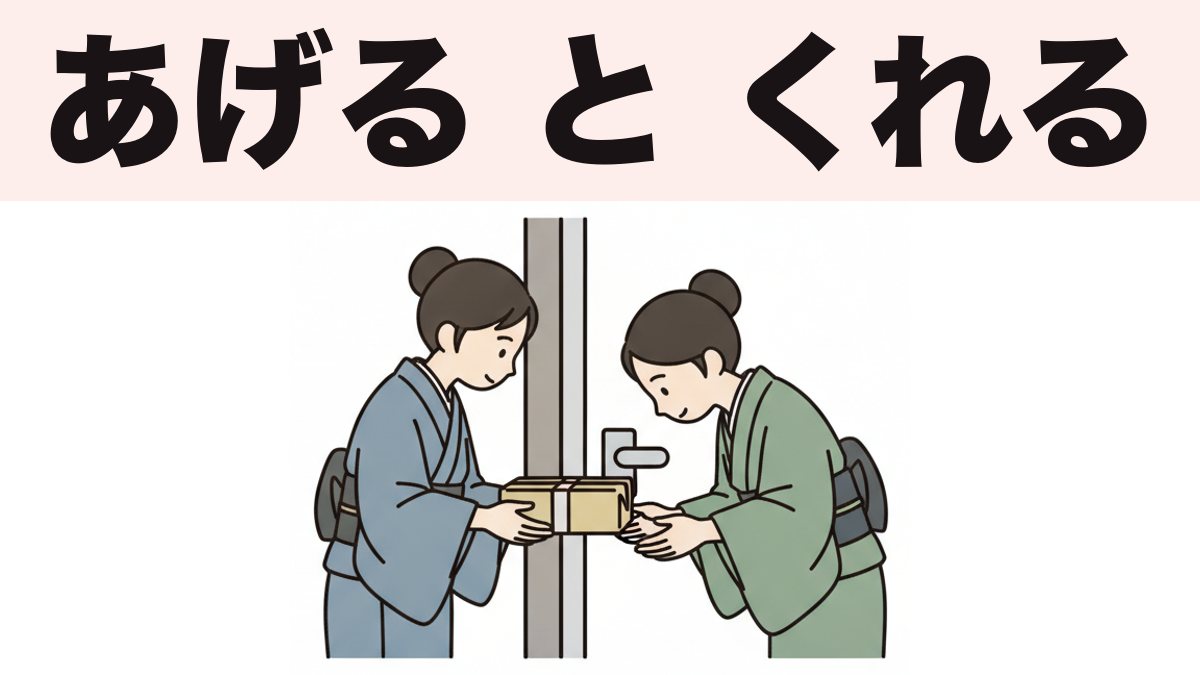
あげる, くれる, もらう: which way is the thing moving?
Japanese has two verbs for "give" because it tracks who the thing is moving toward. あげる goes away from you, くれる comes to you, もらう is you taking it.
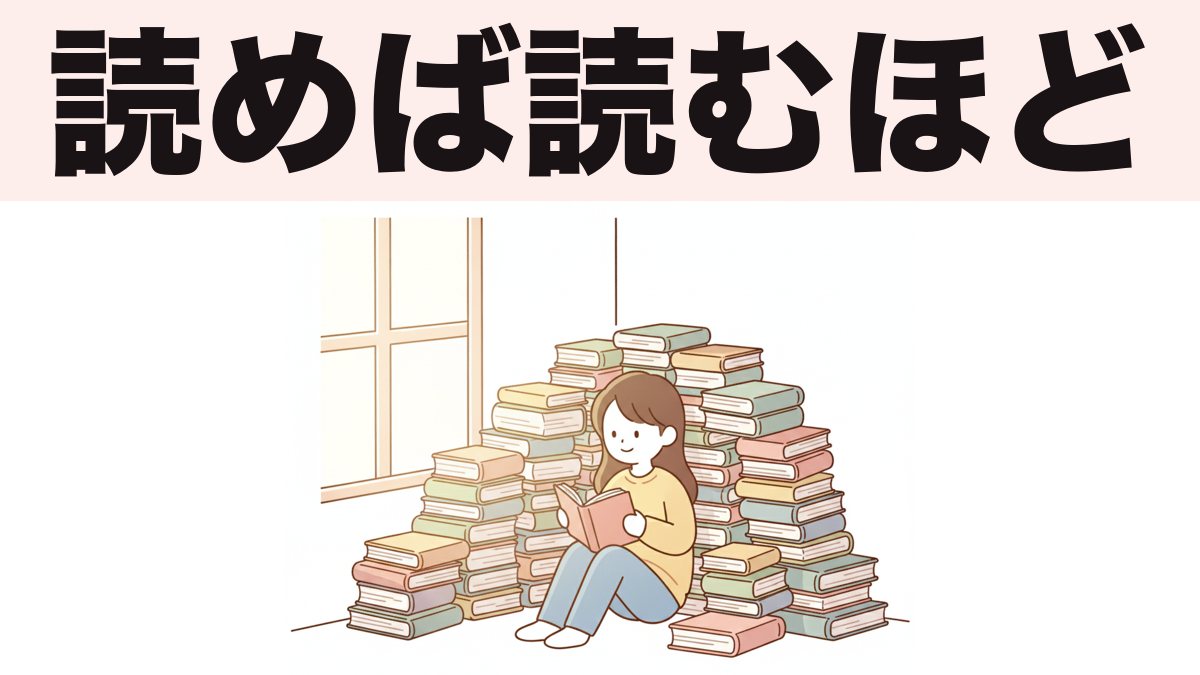
〜ば〜ほど: how to say "the more, the more" in Japanese
読めば読むほど means "the more you read, the more…". The verb appears twice — once in the ば form, once plain — and that repetition is the whole grammar point.
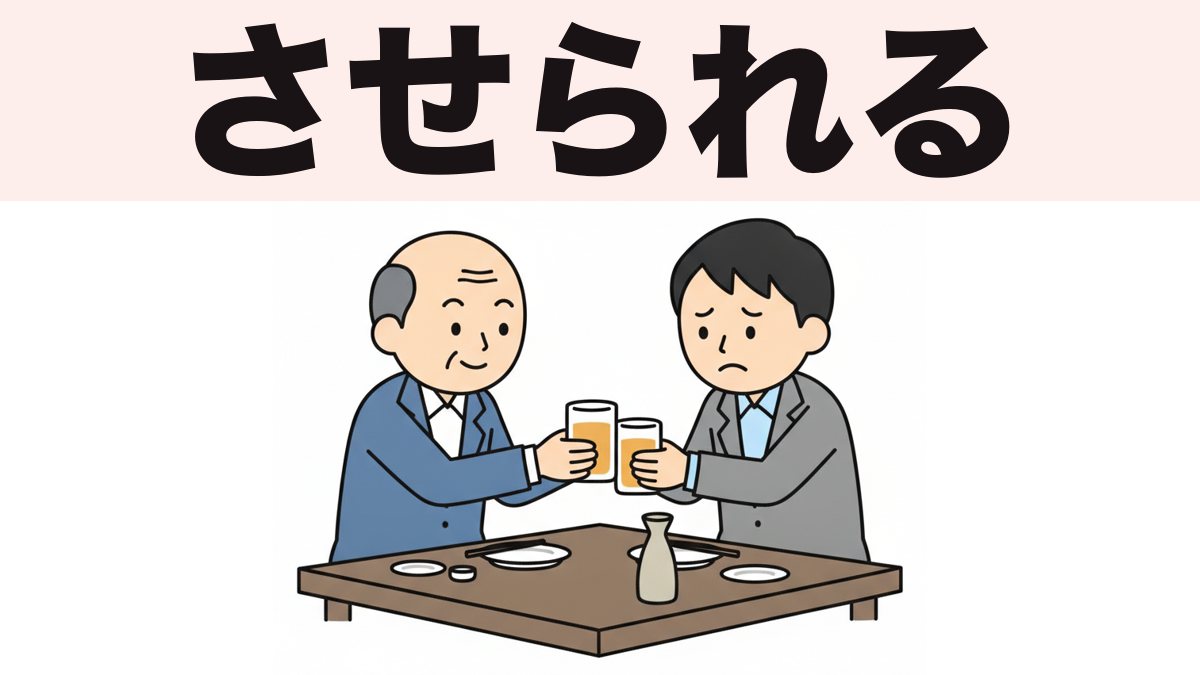
Causative-passive させられる: the form for being made to do things
させられる stacks the causative and the passive to mean "I was made to do it," and it always carries a complaint. Plus the contraction nobody teaches.
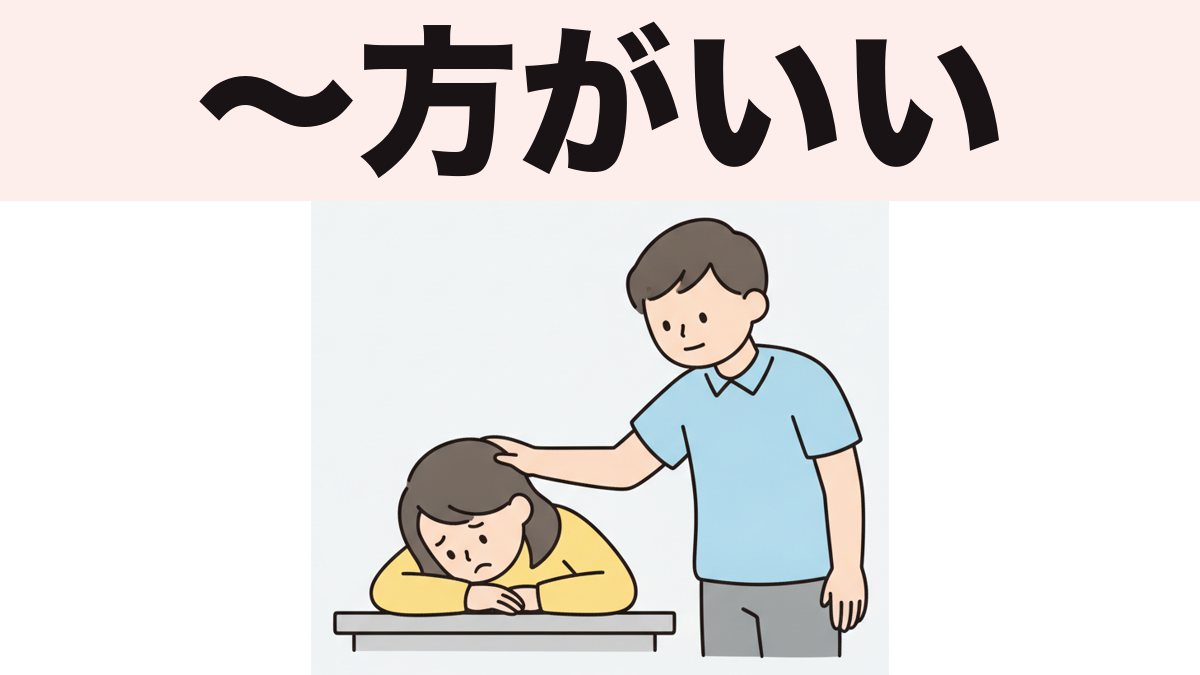
〜方がいい: how to give advice in Japanese without sounding bossy
〜方がいい literally says "that way is better" — a comparison, not a command. Here is how to build it, why the negative uses ない方がいい, and how hard it actually lands.
Japanese adjective past tense: why 高いでした is wrong
い-adjectives carry their own tense — 高い becomes 高かった, not 高いでした. The two adjective types, the four forms each, and the いい that breaks everything.
Japanese causative form: させる, せる, and who is making whom do what
The causative means both "make someone do it" and "let someone do it". How to conjugate させる, and why に or を decides who is doing what to whom.
Japanese conditionals: と, ば, たら and なら, and how to stop guessing
Japanese has four ways to say "if". と is automatic, ば is hypothetical, たら is the one that survives a request, and なら picks up what the other person just said.
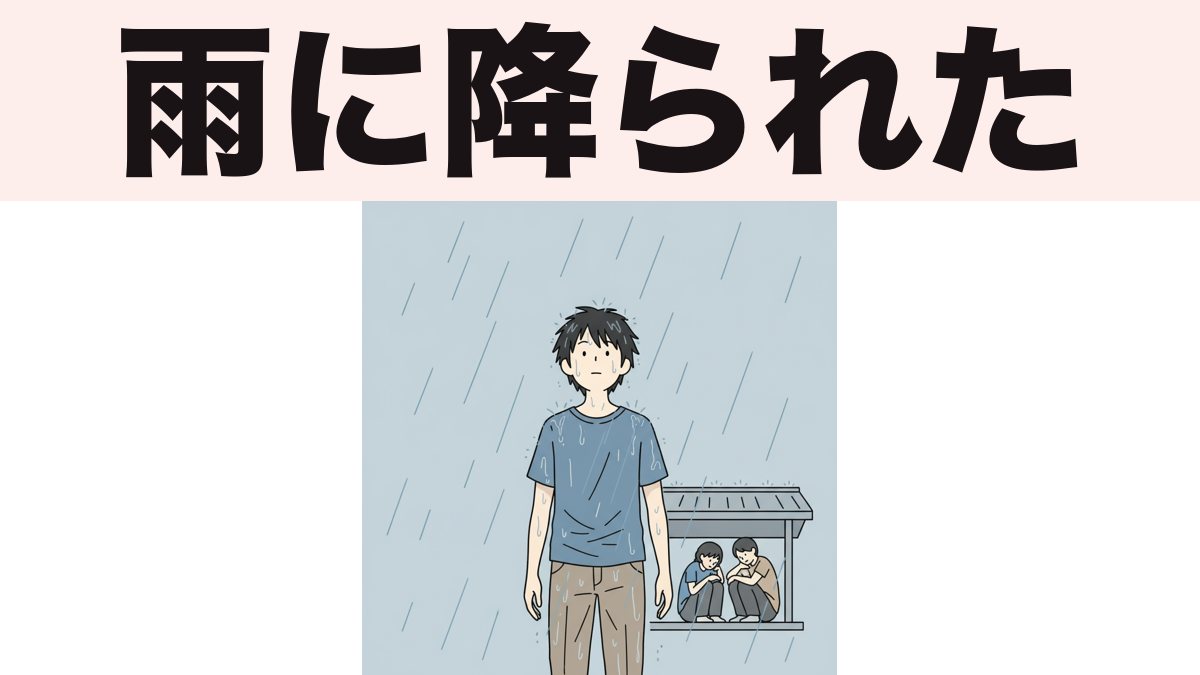
The Japanese passive 〜られる: including the one that means "and it annoyed me"
The passive is built from 〜れる/〜られる. Japanese also has a suffering passive — 雨に降られた, "I got rained on" — which English has no form for at all.
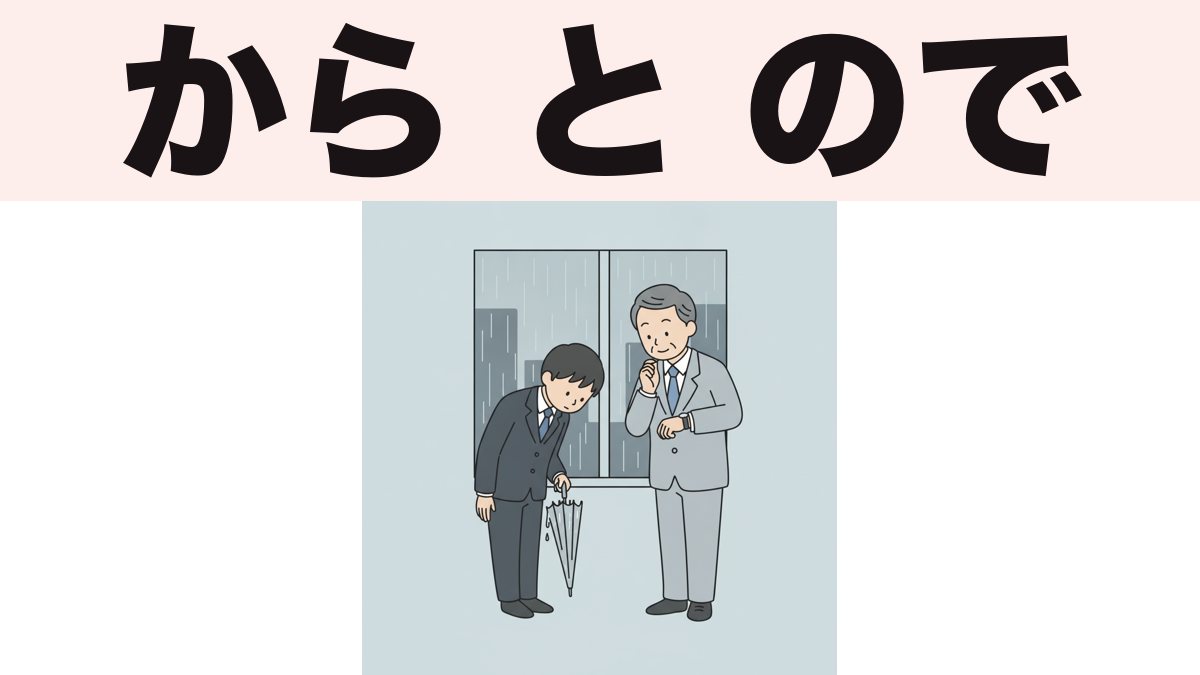
から vs ので: two ways to say "because" in Japanese
から and ので both mean "because", but から is your reason and ので is just how things are. How to attach each one, and why ので is the safer word in an apology.
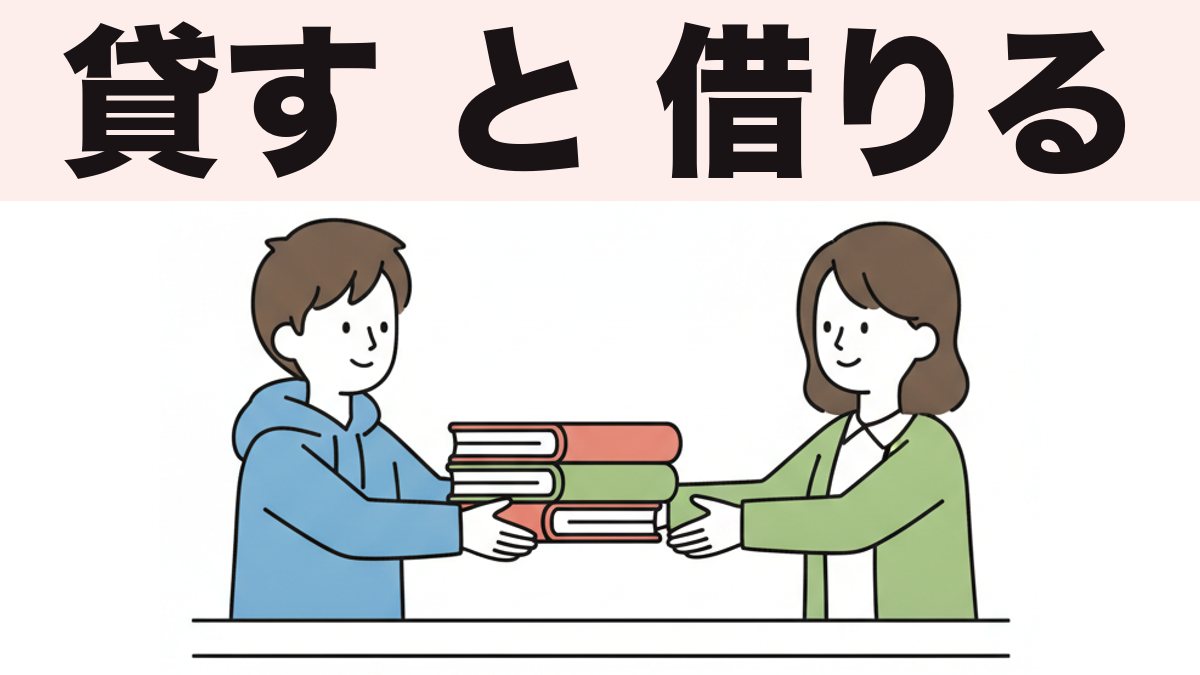
Kasu vs kariru: how do you say lend or borrow in Japanese?
Kasu (貸す) means "lend" (give side); kariru (借りる) means "borrow" (take side). For example, ペンを借りてもいいですか means "May I borrow a pen?"
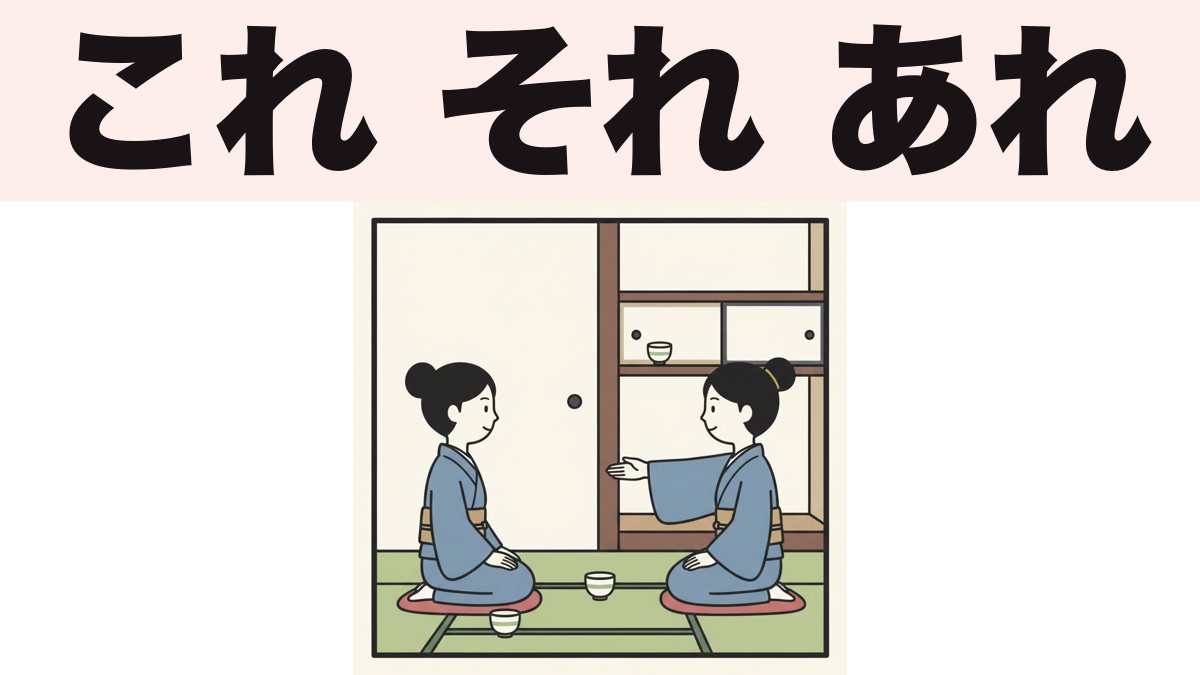
これ, それ, あれ, どれ: the こそあど grid and how to read it
これ and この are not interchangeable, そ belongs to the listener, and あ is for things you both already know. One grid covers all twenty words.
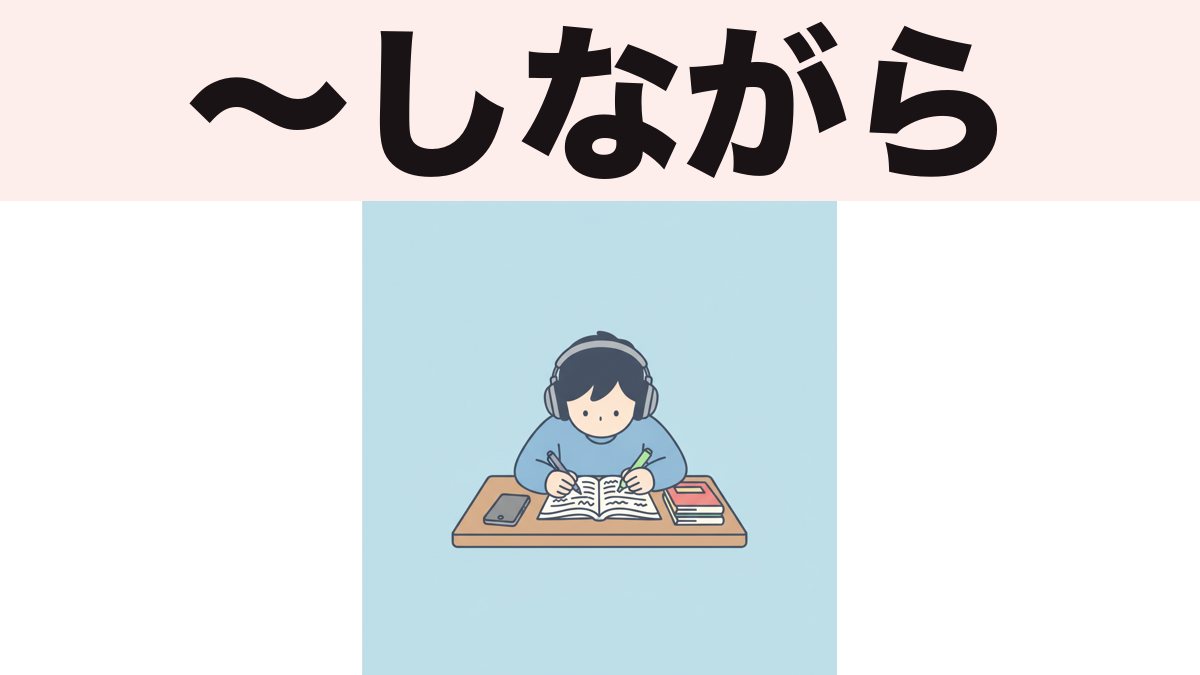
〜ながら: "while doing" — and why the second verb is the real one
〜ながら joins two actions by the same person, and the second one is the main action. How to build it, why 間に exists, and the literary ながら that means "although".
〜なくてもいい: how to say "you don't have to" in Japanese
〜なくてもいい comes from the negative te-form and literally means "even if you don't, it's fine." How to build it, and why も disappears in speech.
The particle の: five jobs, and only one of them is "of"
の links nouns, replaces a noun you already know, turns verbs into nouns, and ends casual questions. Why 高いの本 is wrong and 赤いの is right.
さえ: the "even" that sets a floor, and the 〜さえ〜ば that means "if only"
さえ picks the least likely example to make a point, and 〜さえ〜ば means "if only that one thing". How it eats を and が, and why すら is its bookish twin.
〜し: the "and" that means "and there's more where that came from"
〜し lists reasons and implies you have left some out. One し alone is enough, and it is why 疲れたし、帰ろう sounds so much more natural than 疲れたから.
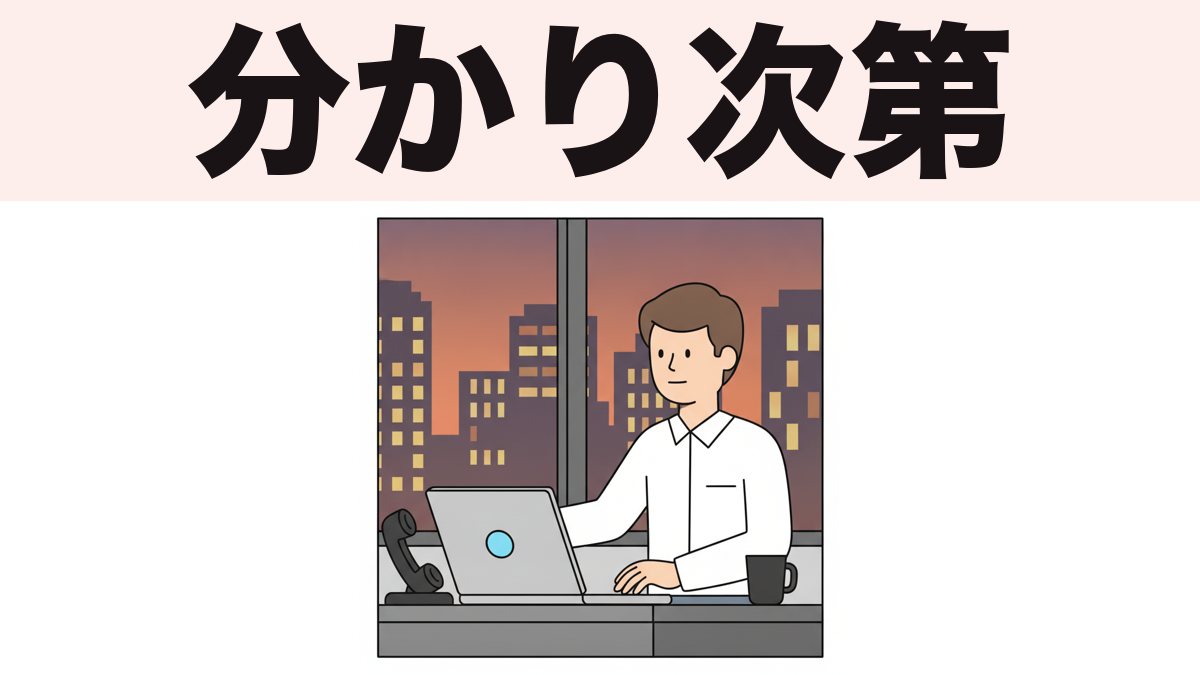
次第: "as soon as", "it depends on", and the business email version
次第 does three different jobs: 着き次第 means "as soon as", 天気次第 means "depends on the weather", and 〜次第です closes business emails. How to tell them apart.
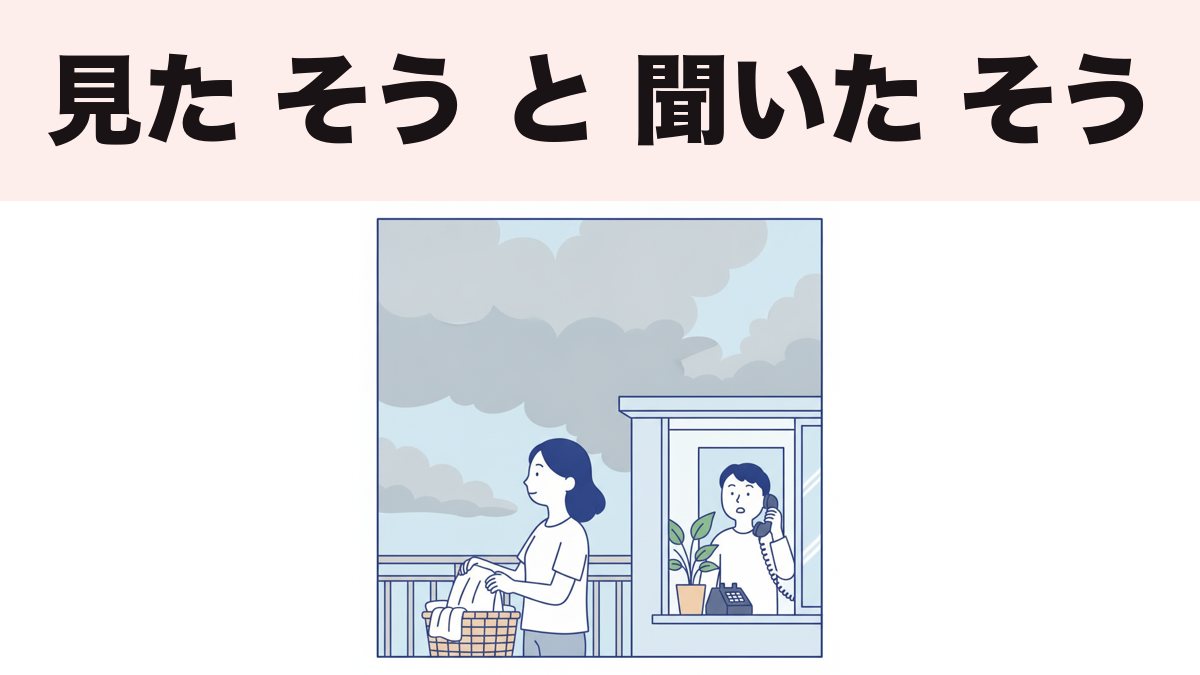
そうです has two meanings: "it looks like" and "I heard"
雨が降りそうです and 雨が降るそうです differ by one syllable and mean completely different things. How the two そう attach, and why よさそう is not いいそう.
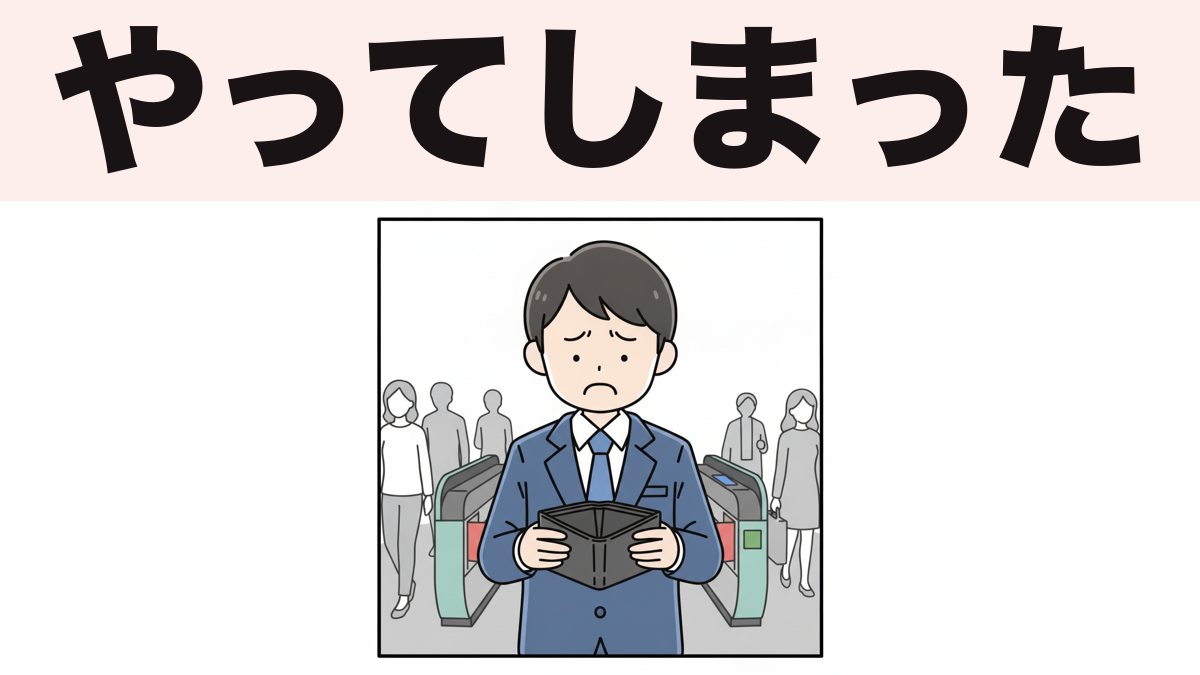
てしまう and ちゃった: the grammar of "oops, I did it"
てしまう does two jobs at once: it finishes an action completely, and it adds regret. Here is how to tell the two apart, and why ちゃった is everywhere in anime.
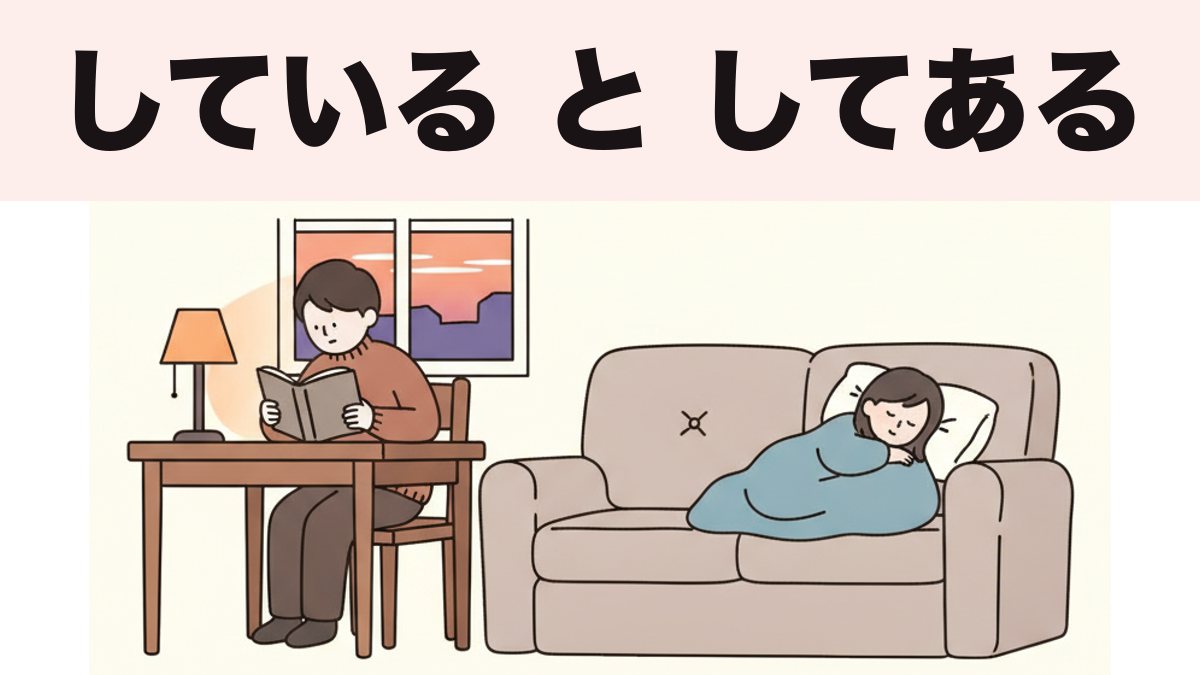
〜ている: why 知っている means "I know" and not "I am knowing"
〜ている has two meanings — an action in progress, and a state left behind. The verb decides which, and that is why 知っている is "I know" and 行っている is "has gone".
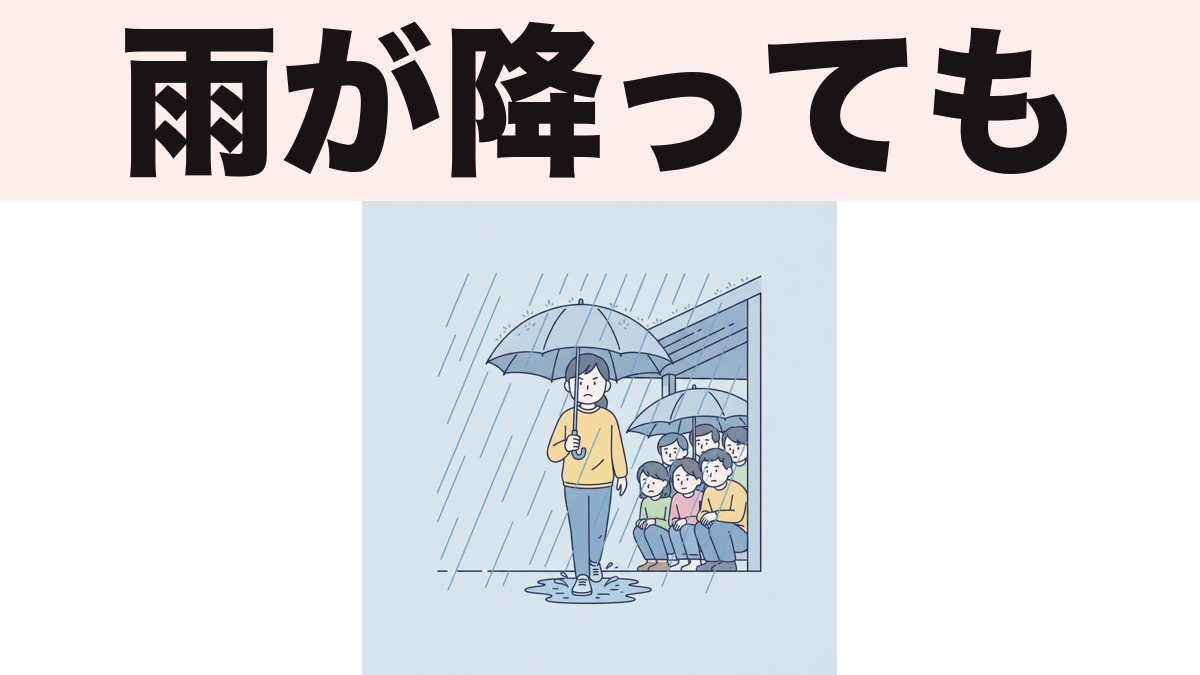
〜ても: "even if" — and the question words that turn it into "no matter what"
〜ても is the te-form plus も. It means "even if," and with a question word it becomes 何をしても — "no matter what I do." Plus when けど is right instead.
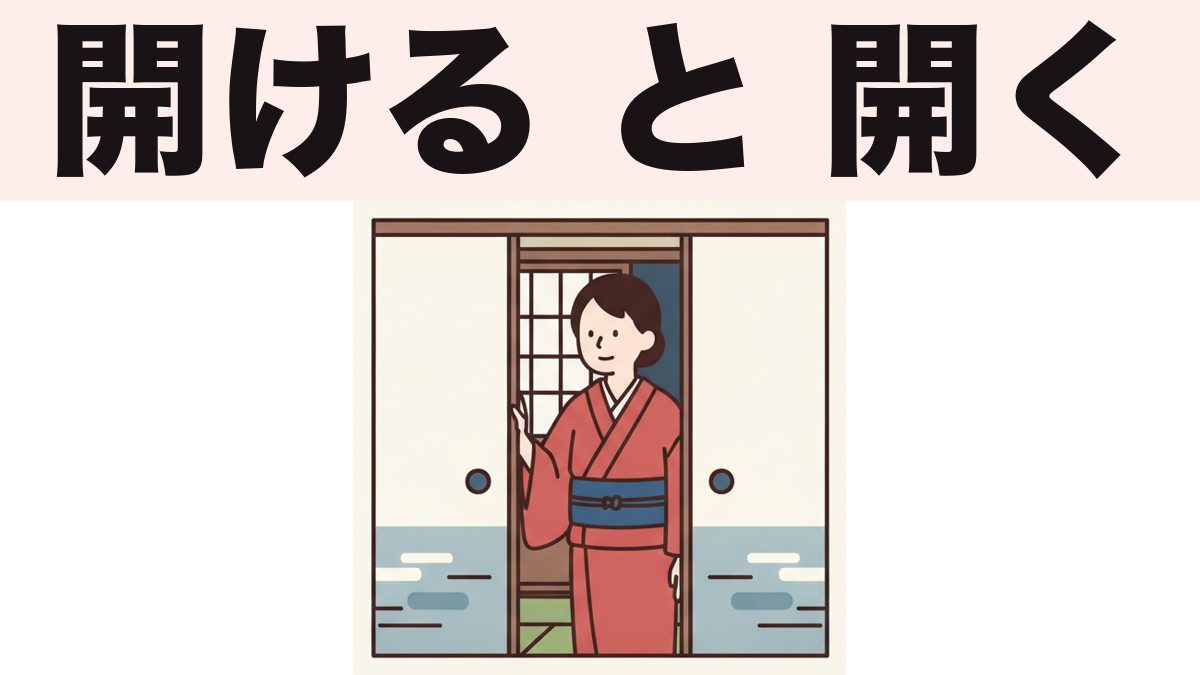
Transitive and intransitive verbs: 開ける vs 開く, and why Japanese prefers the second
Japanese has verb pairs where English has one word. 開ける takes を and names who did it; 開く takes が and does not. The endings that hint at which is which.
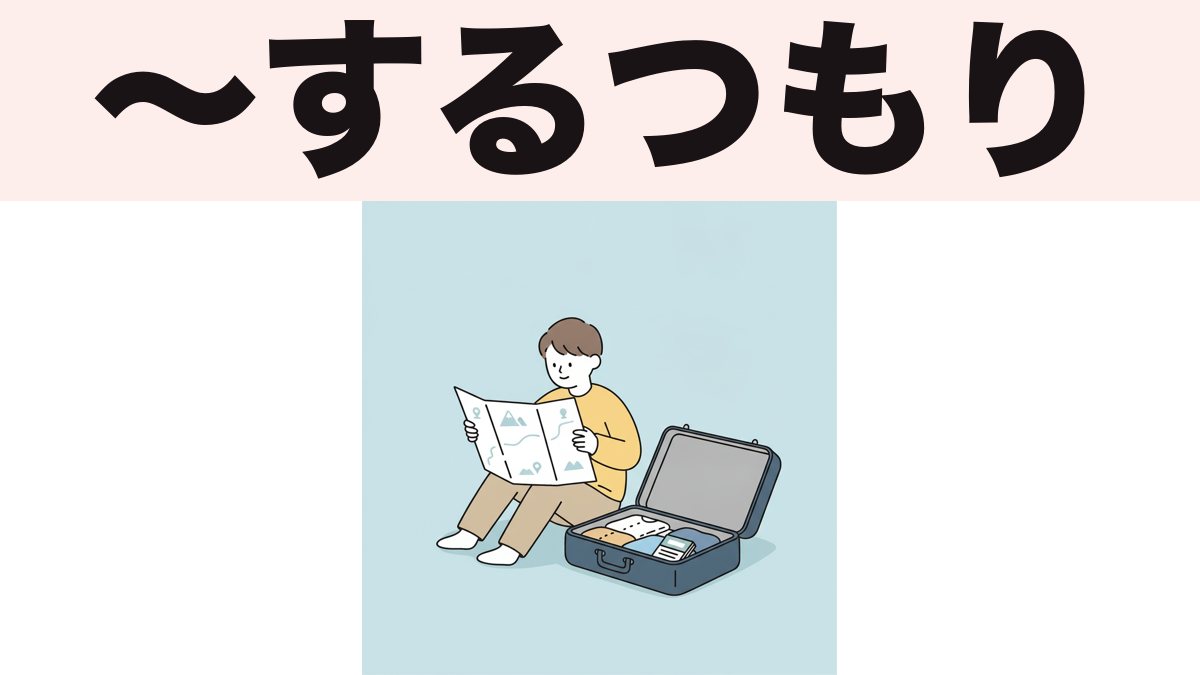
つもり: how to say what you intend to do — and the つもり that means you were wrong
つもり states a settled intention. 〜ないつもり and つもりはない are not the same strength, and 〜たつもり means you only thought you had done it.
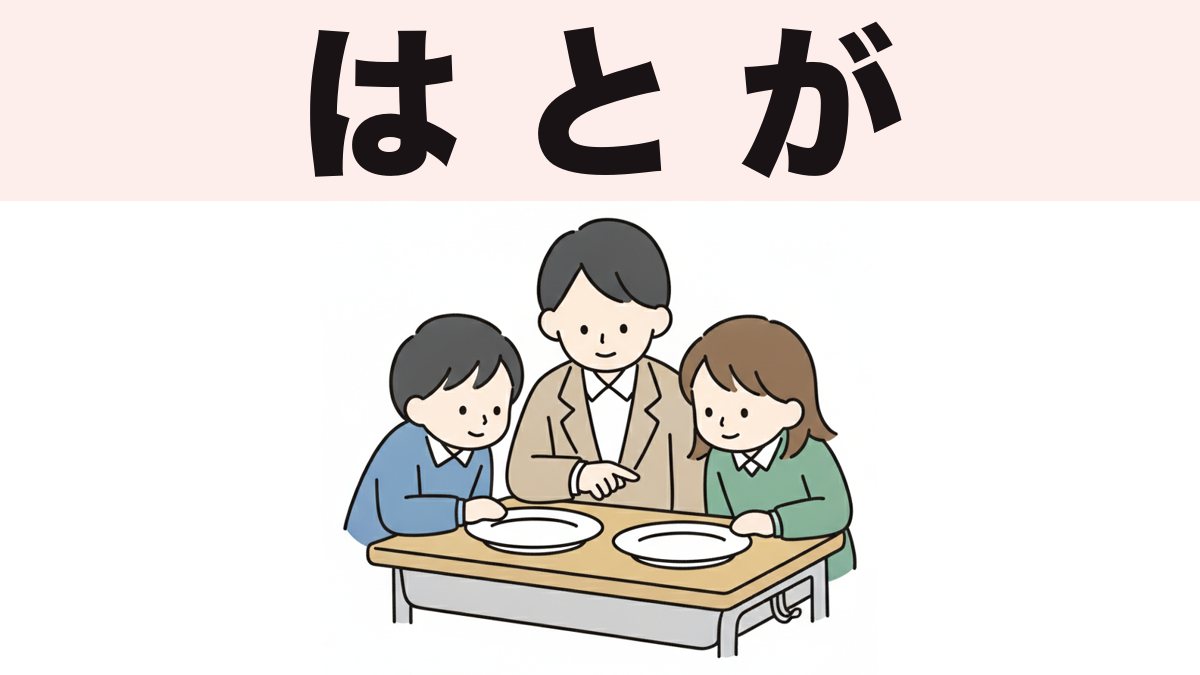
は vs が: the rule that is never broken, and four that usually hold
は sets the topic, が points at the subject. Start with the question-word rule — 誰が, never 誰は — and the rest of は vs が follows from it.
Japanese question words: 何, どこ, いつ, and the full list
A full table of Japanese question words — nani, doko, itsu, dare, dou, naze — with the か rule, casual forms, and how they sound in anime.
ことができる vs the potential form: two ways to say "I can" in Japanese
Japanese has two ways to say "I can" — 話せます and 話すことができます. Here is how to build both, and the particle that quietly changes between them.
Nakereba naranai: how do you say "must" in Japanese?
Nakereba naranai means "must" or "have to" in Japanese, expressing obligation. For example, 明日、早く起きなければなりません means "I have to get up early tomorrow."
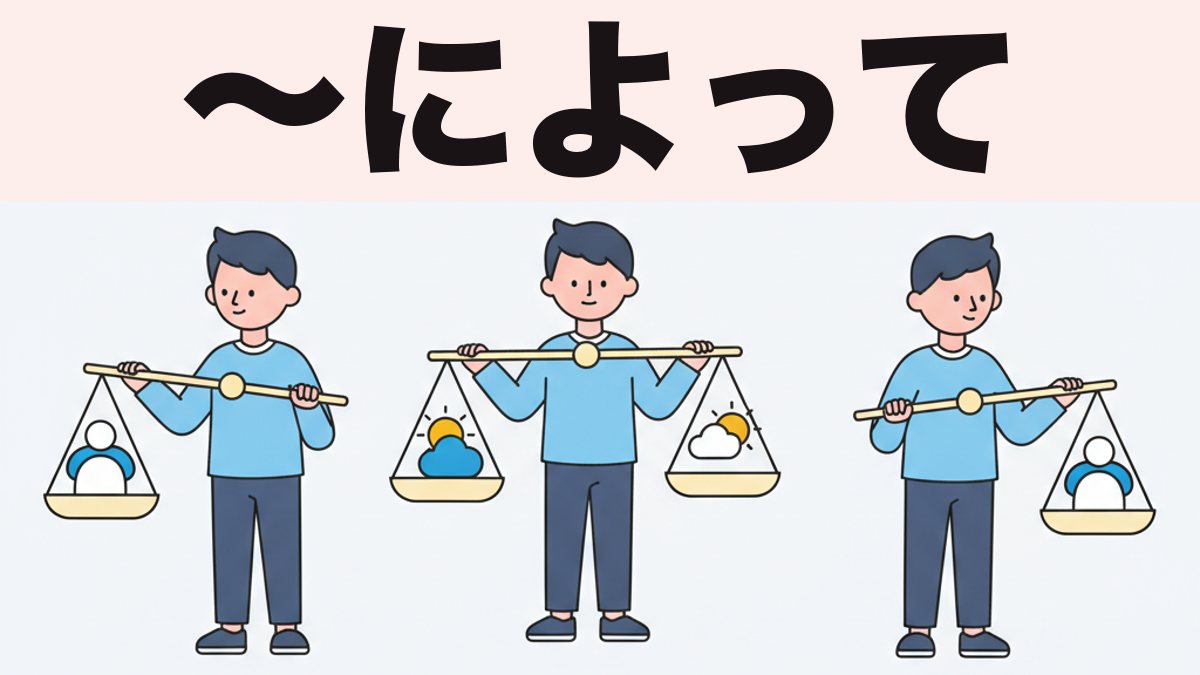
Ni yotte: how do you say "it depends" in Japanese?
Ni yotte means "depending on"; baai ni yorimasu is a polite way to say "it depends" in Japanese. For example, 場合によります means "It depends."
たことがあります: how to say "I have done this before" in Japanese
たことがあります is not a past tense — it says a time exists when you did something. How to build it, and why it breaks if you use it for yesterday.
The Japanese te-form: how to make it, and why half of Japanese needs it
The te-form is not a tense, it is a connector — and a dozen other grammar points are built on top of it. Here is how to make it from every verb group.
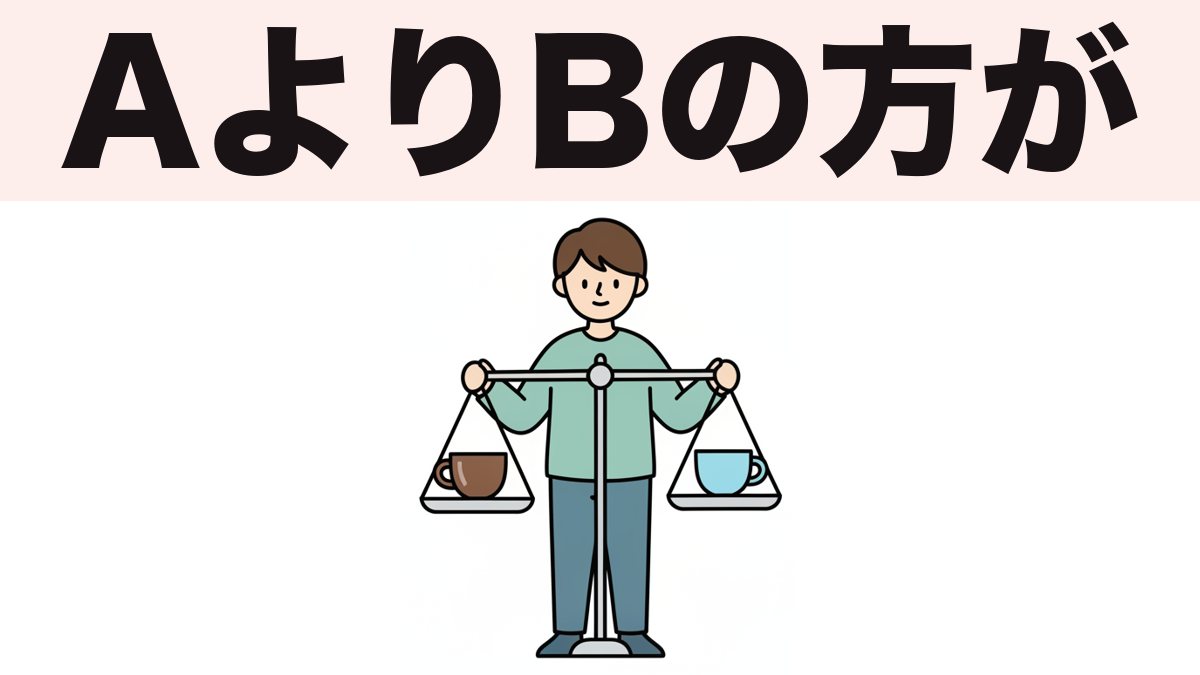
〜より〜の方が: how comparisons actually work in Japanese
AよりBの方が puts the winner second, not first — the opposite of English instinct. The full comparison set, including ほど and 一番.
How you sound
Ki ni naru meaning: curious, bothered or interested in someone?
気になる means something caught your attention and will not let go: curious, bothered, or interested in someone. How it differs from 心配, 気にする and 気に入る.
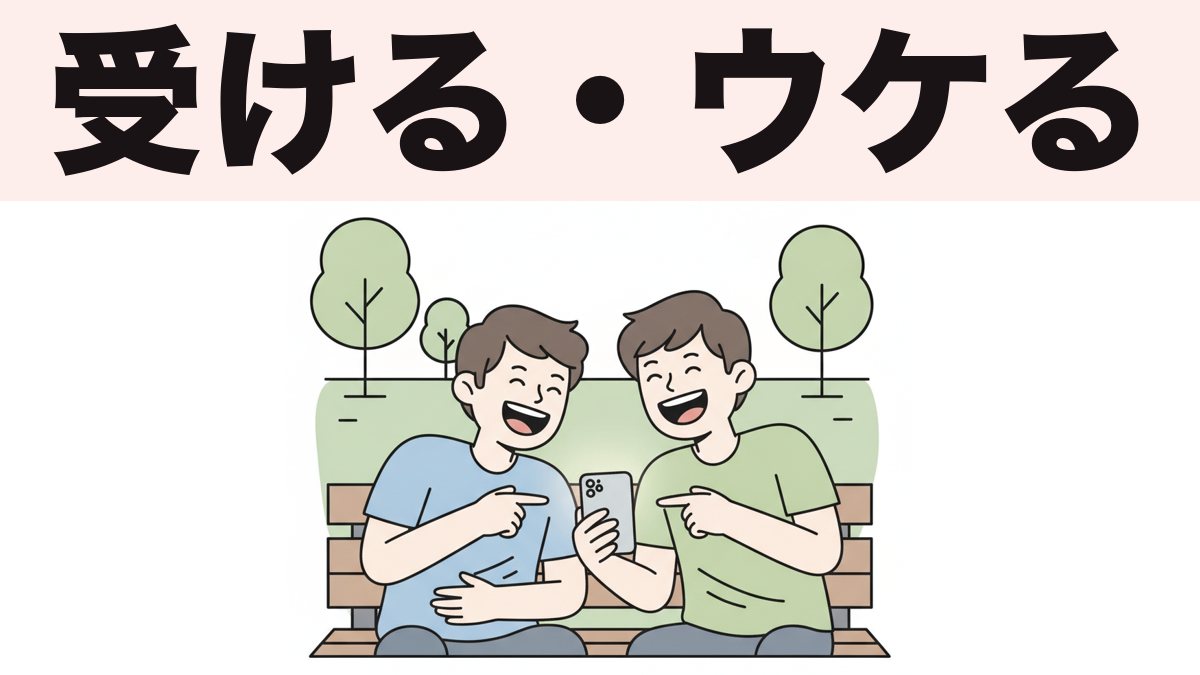
Ukeru meaning: 受ける for classes and exams, ウケる for "that's hilarious"
受ける means to take a class or exam, or to receive something. Written ウケる, it is slang for "that's so funny." How one verb covers both, with examples.
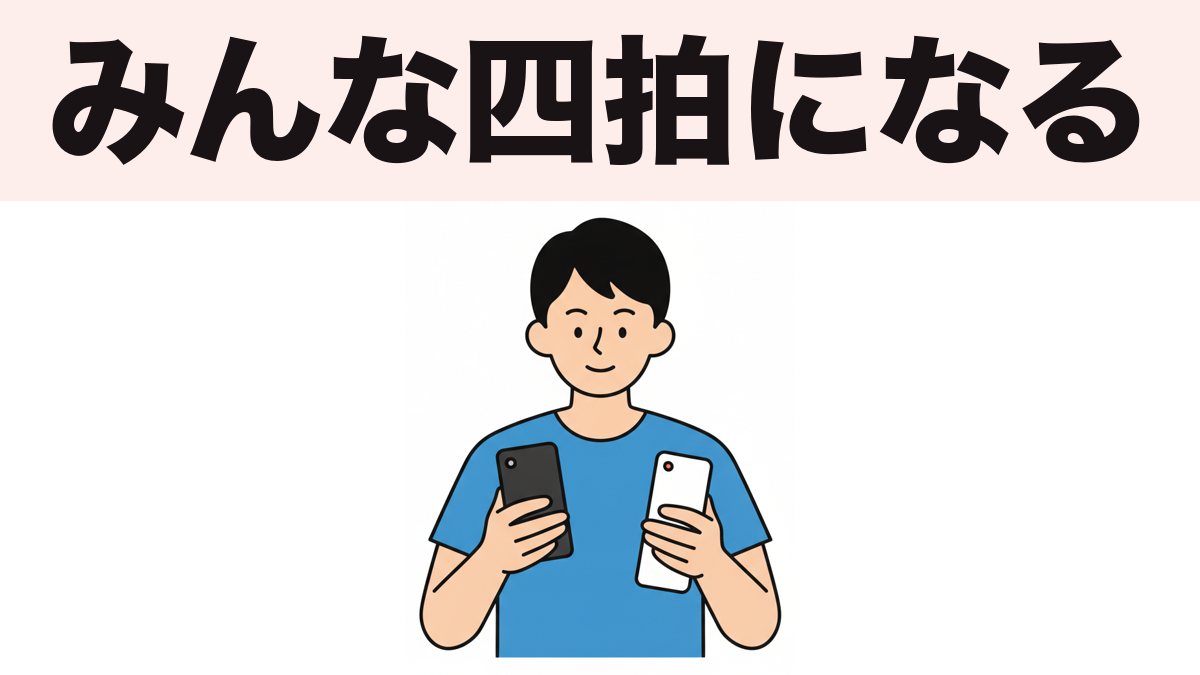
Japanese abbreviations (略語): why almost everything becomes four syllables
Japanese shortens long words by taking the first two sounds of each half — スマートフォン becomes スマホ, 就職活動 becomes 就活. Once you know the rule you can decode new ones.
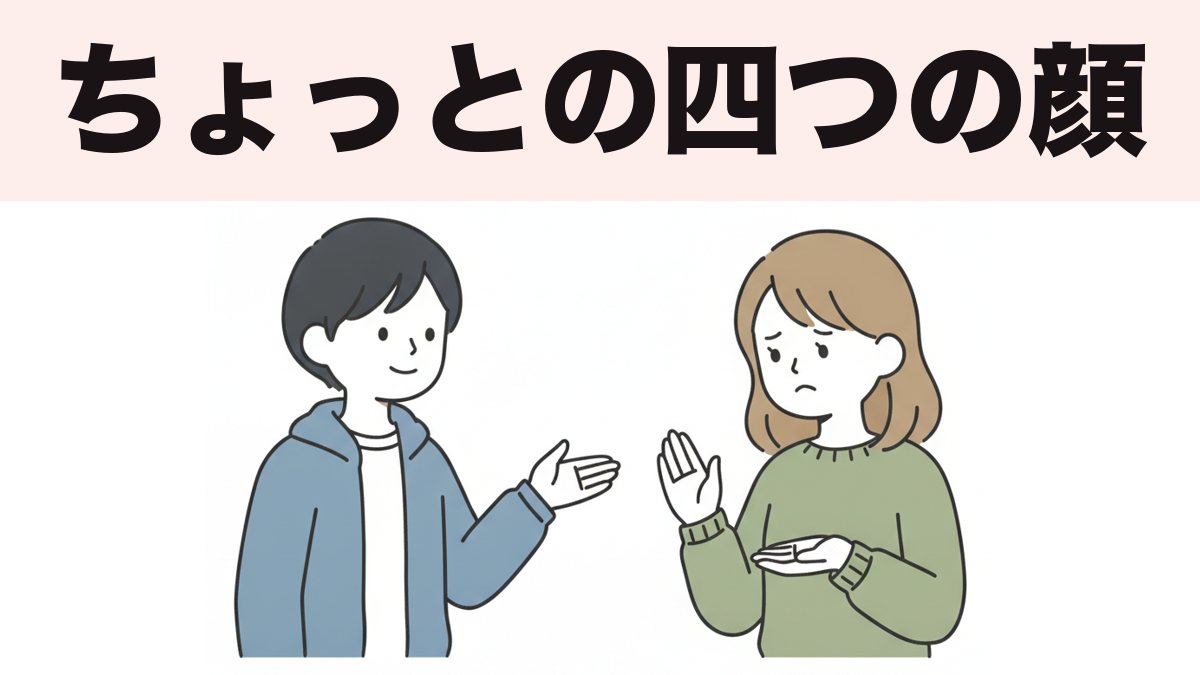
ちょっと: "a little", "excuse me", and the polite no that never says no
ちょっと means "a little" — and also softens requests, gets attention, and refuses invitations. How to hear which one, and why 今日はちょっと… is a complete answer.
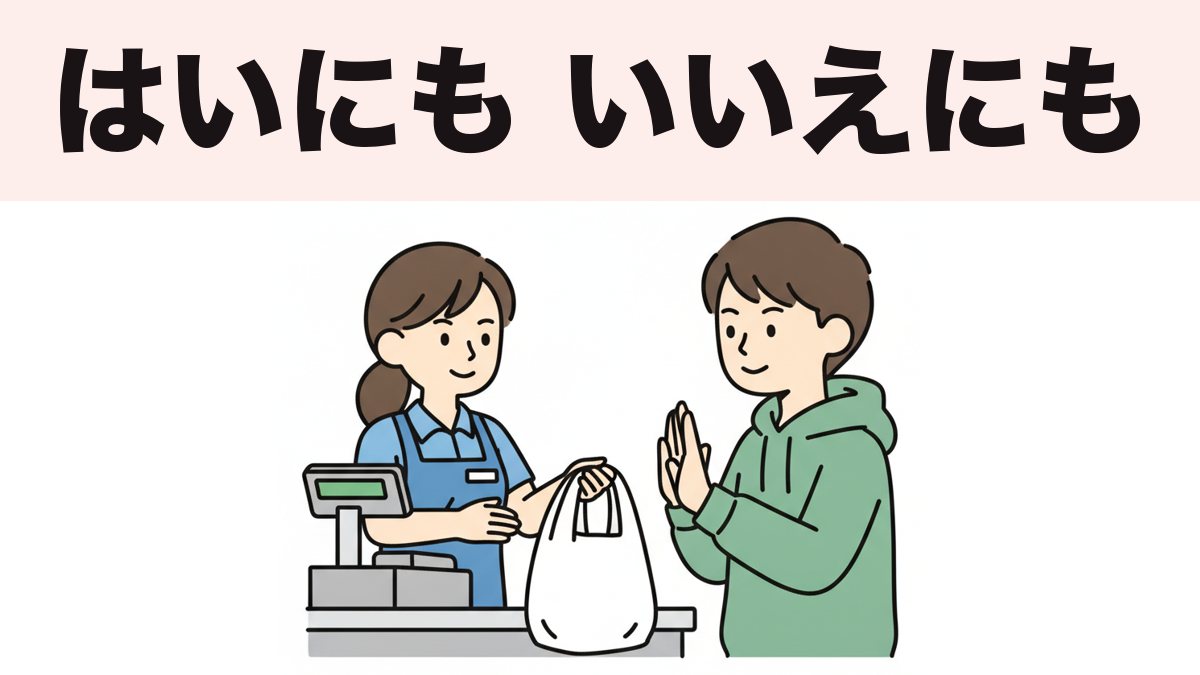
大丈夫 (daijoubu): the word that means yes, no, and "are you okay?"
大丈夫 means fine, safe, no problem — and at a shop counter 大丈夫です is usually a polite "no thanks". How to tell which one you are hearing.
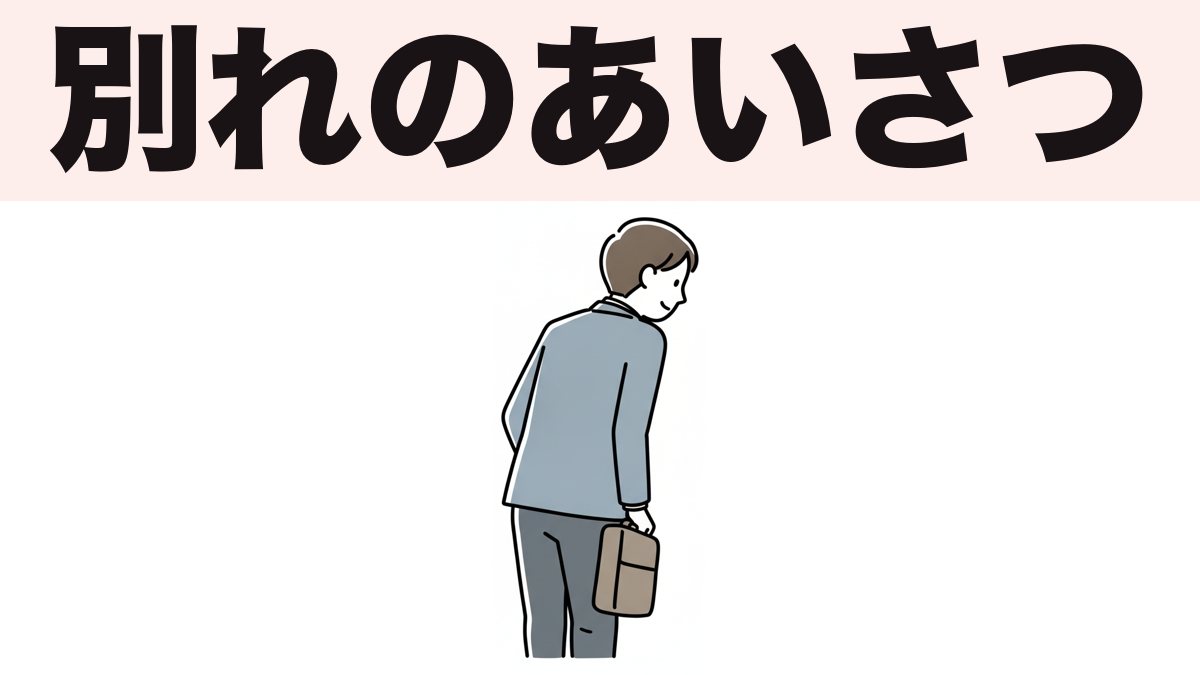
How to say goodbye in Japanese: さようなら is almost never the right one
さようなら sounds final and Japanese adults rarely say it. The goodbyes people actually use — お疲れさま, 失礼します, じゃあね, また明日 — and how to pick one by situation.
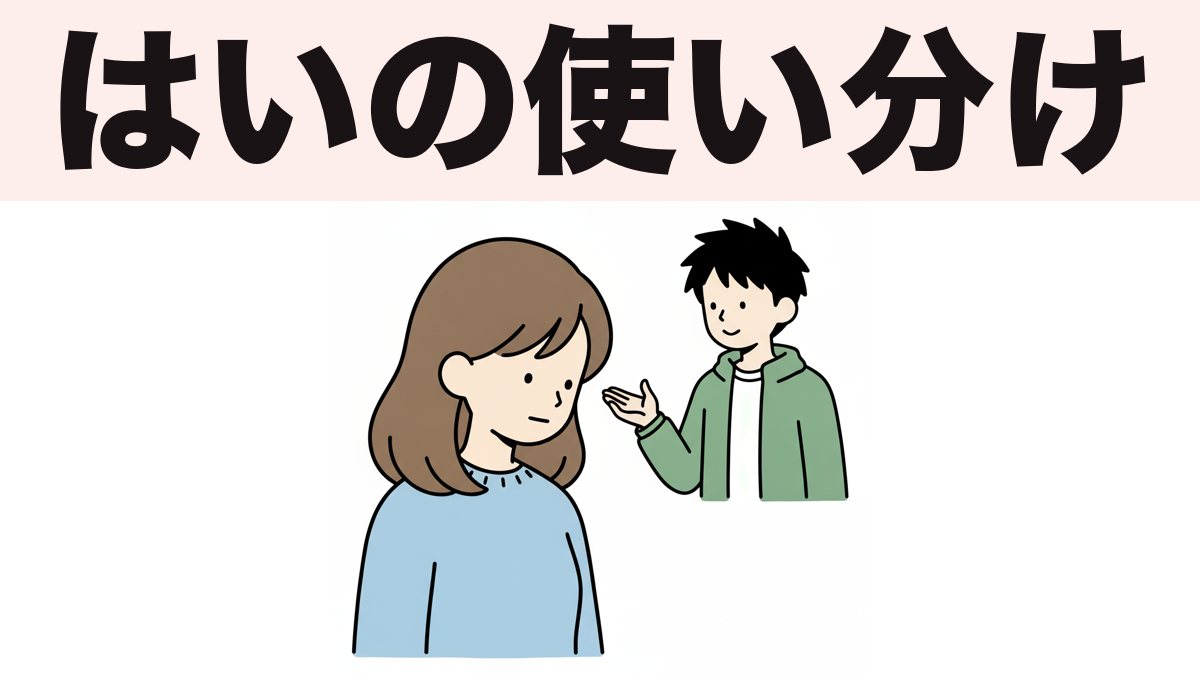
How to say yes in Japanese: はい is not only "yes"
はい, ええ, うん, そうです, わかりました — the Japanese words for yes, what each one really agrees to, and why はい to a negative question means the opposite of English.
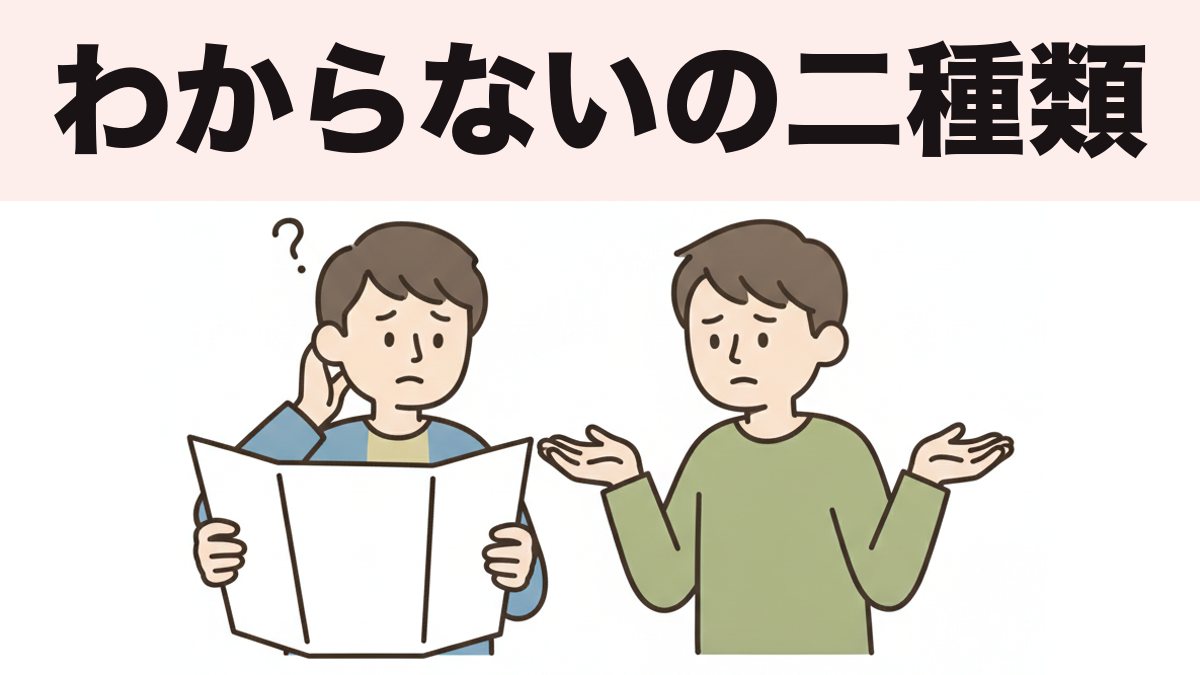
わからない vs 知らない: two ways to say "I don't know", one of them cold
分からない means "I can't work it out"; 知らない means "I have no information" — and can sound like "not my problem". Which to use, and why 知っていない does not exist.
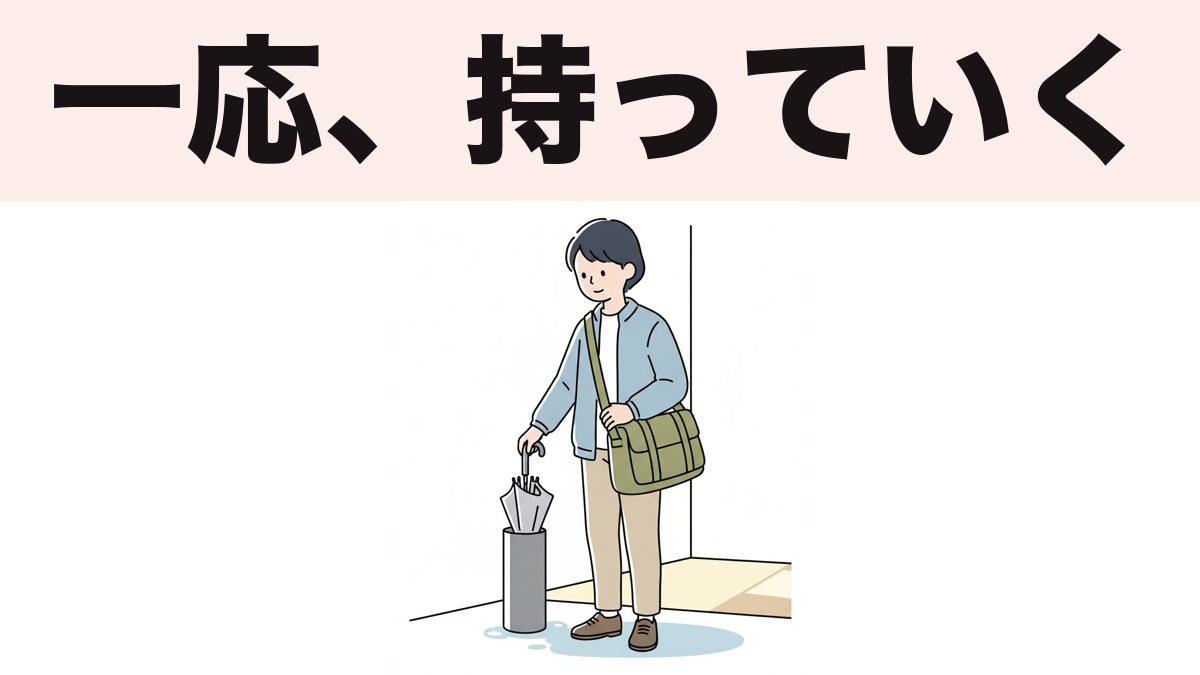
一応 (ichiou): the word Japanese uses to hedge almost anything
一応 means "just in case," "more or less," and "technically yes" — one word covering four jobs. Here is what it actually signals, and when it undersells you.
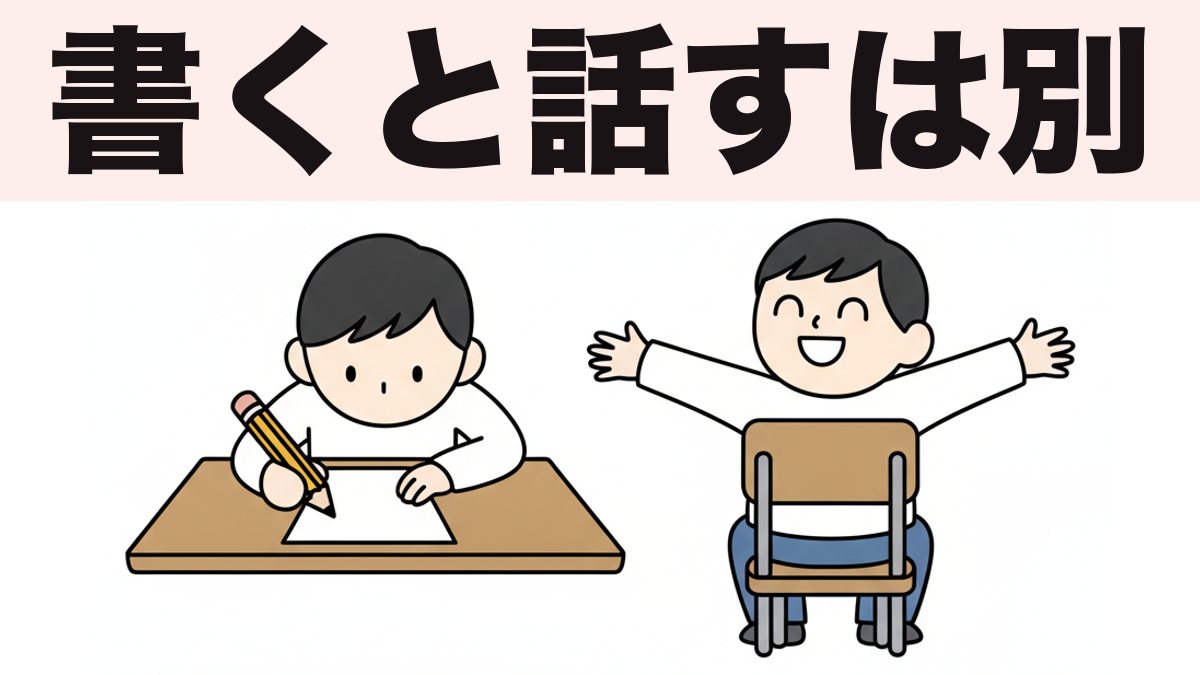
書き言葉 and 話し言葉: the Japanese you speak is not the Japanese you write
Written Japanese swaps けど for が, でも for しかし, and 〜てる for 〜ている. The full conversion list, plus the four habits that mark an essay as spoken out loud.
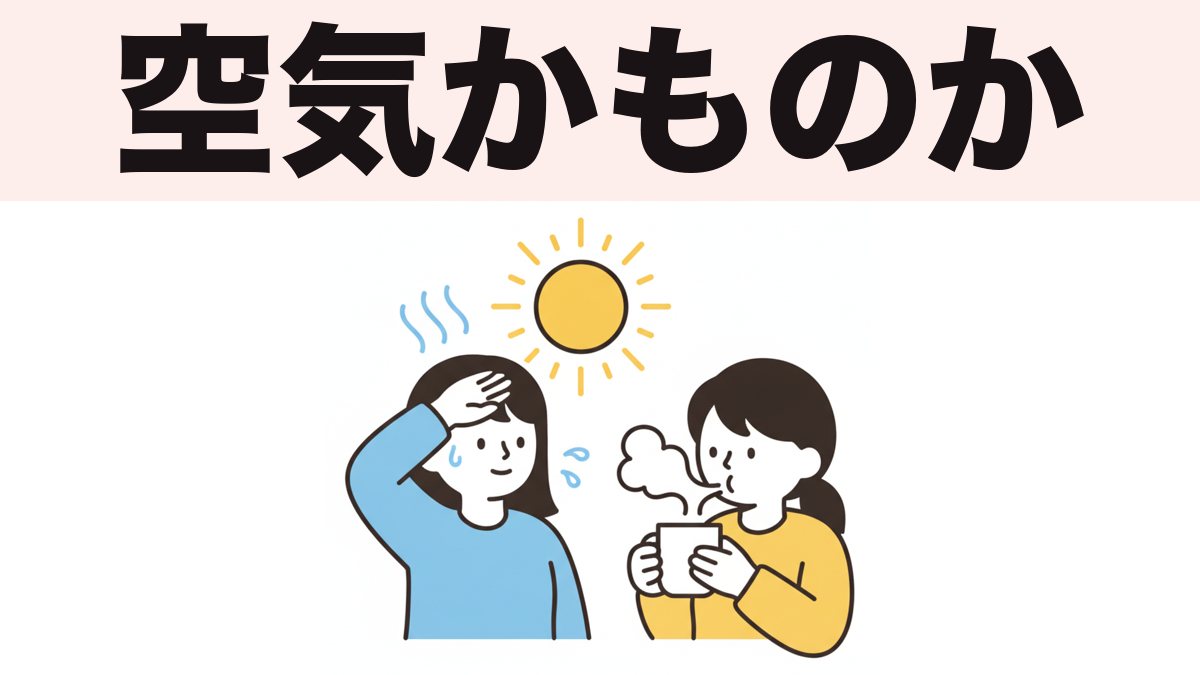
暑い, 熱い, 暖かい, 温かい: four temperature words, two of them homophones
Learn how Japanese distinguishes hot weather from hot objects and warm air from warm things, using different kanji for atsui and atatakai.
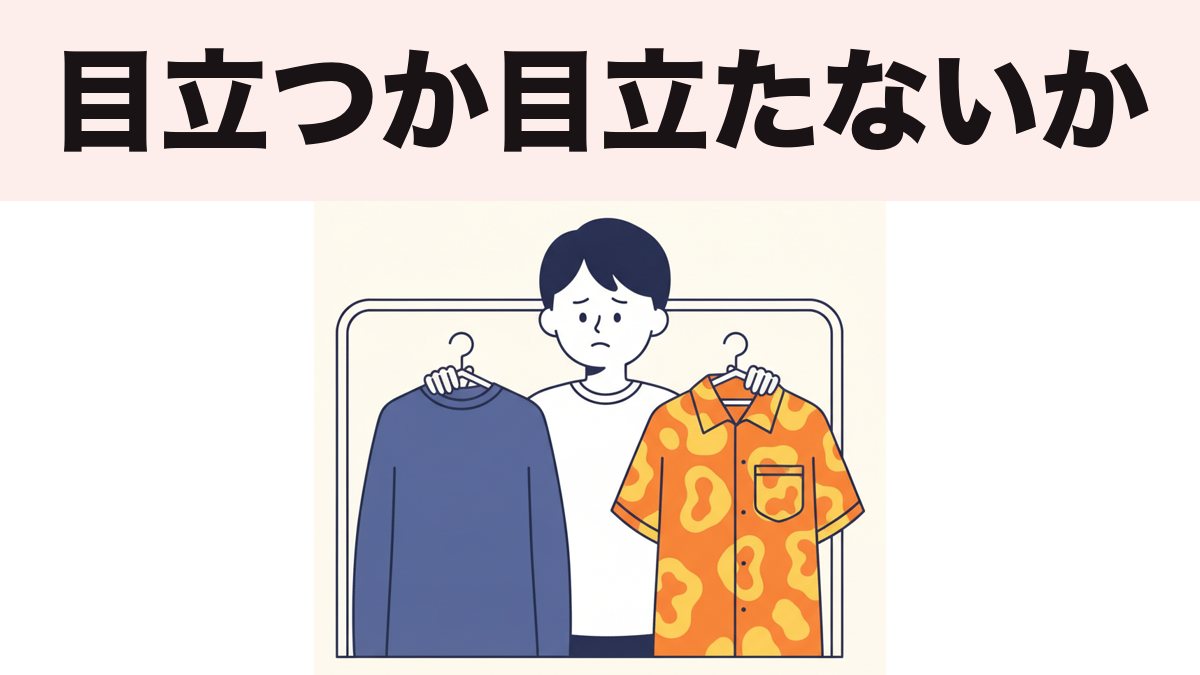
地味 and 派手: the Japanese pair that is not "boring" and "flashy"
地味 is usually translated as "plain" and 派手 as "flashy", and both translations are misleading. Here is what the pair actually means, and when 地味 is a compliment.
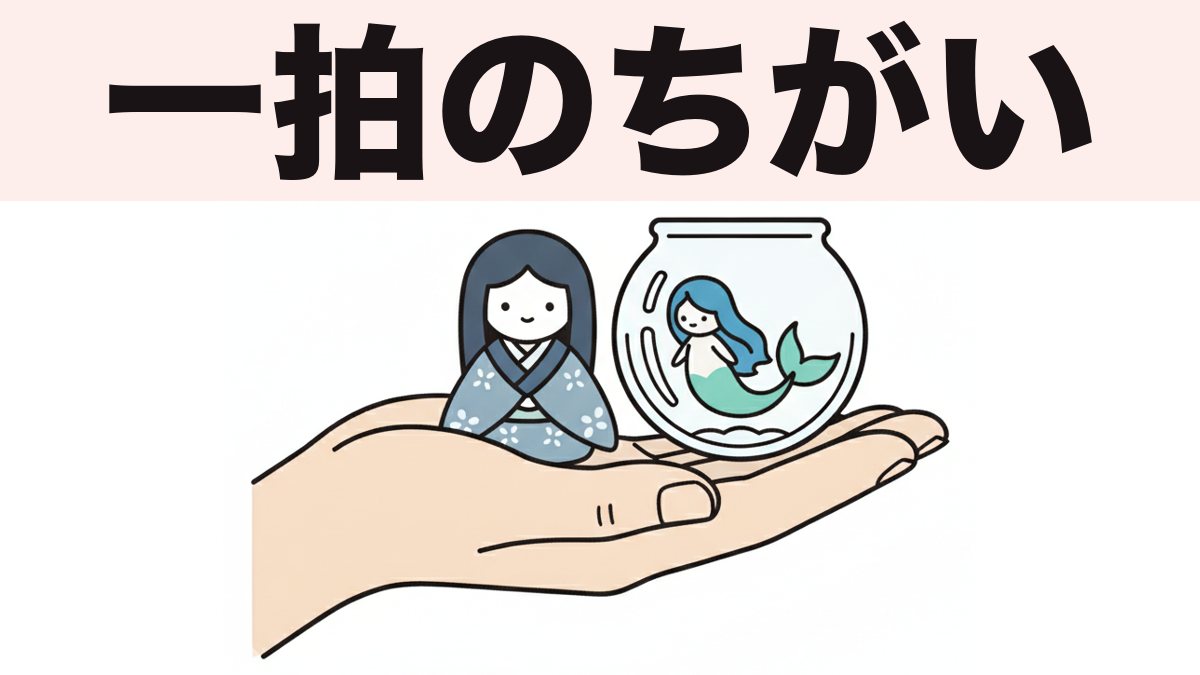
人魚 and 人形: how one extra beat changes the word completely
にんぎょ is a mermaid and にんぎょう is a doll — the only difference is one extra beat. Here is how Japanese long vowels work, the pairs that catch learners, and how to hear them.
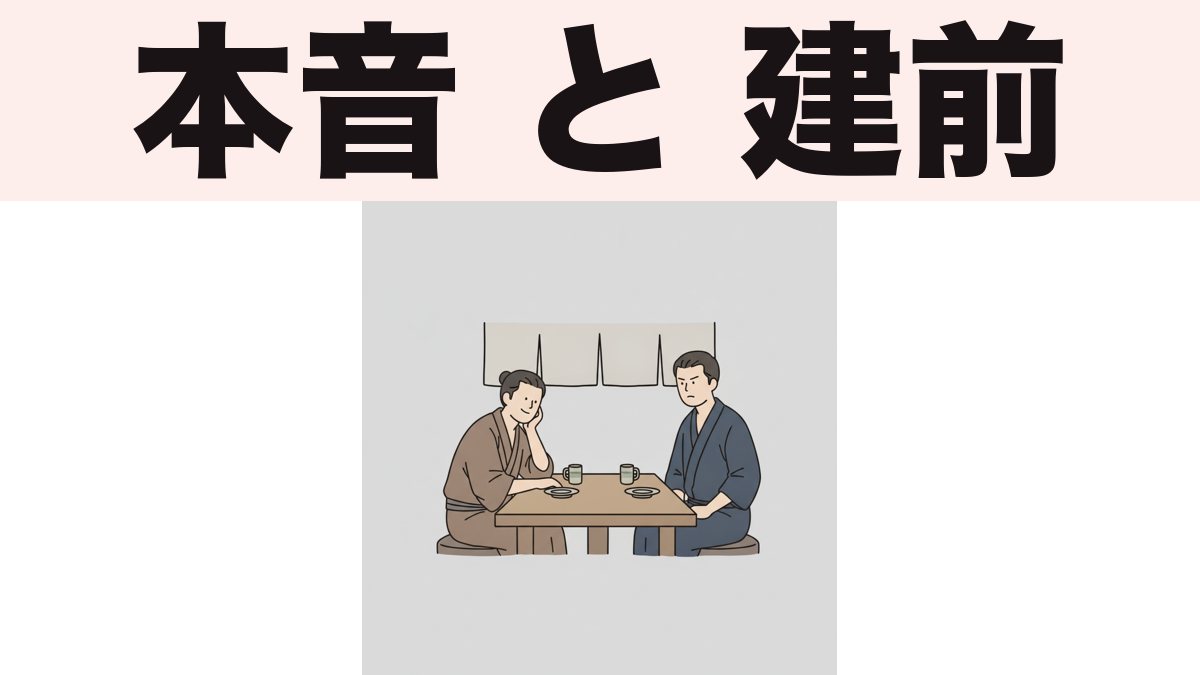
本音 and 建前: what they actually mean, and why it is not lying
Explore honne and tatemae in Japanese, from private thoughts to socially appropriate words, and learn why politeness is not simply dishonesty.
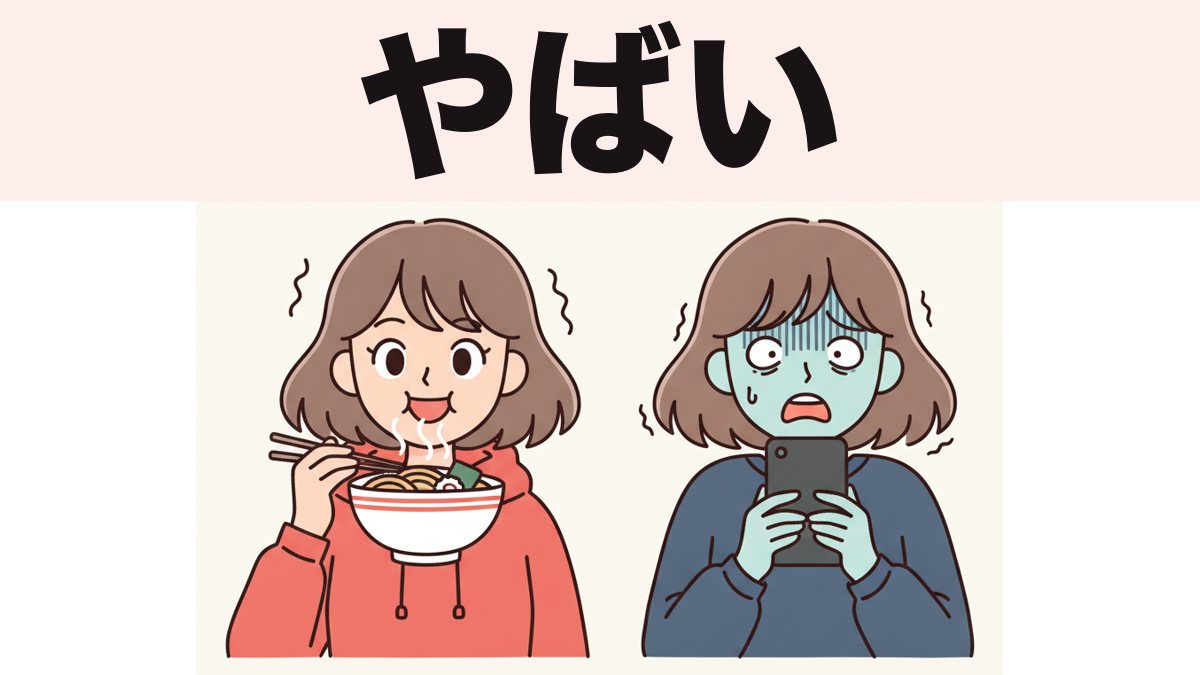
やばい meaning: the one word that covers "amazing", "terrible" and "I have to go"
Explore how yabai shifted from dangerous to a flexible Japanese slang word, learn to read its context, and discover terms like gachi and emoi.
Japanese idioms: 20 慣用句 that actually come up in conversation
Most Japanese idioms are built from body parts, and a second family is built from other people's eyes. Both tell you something about how the language thinks.
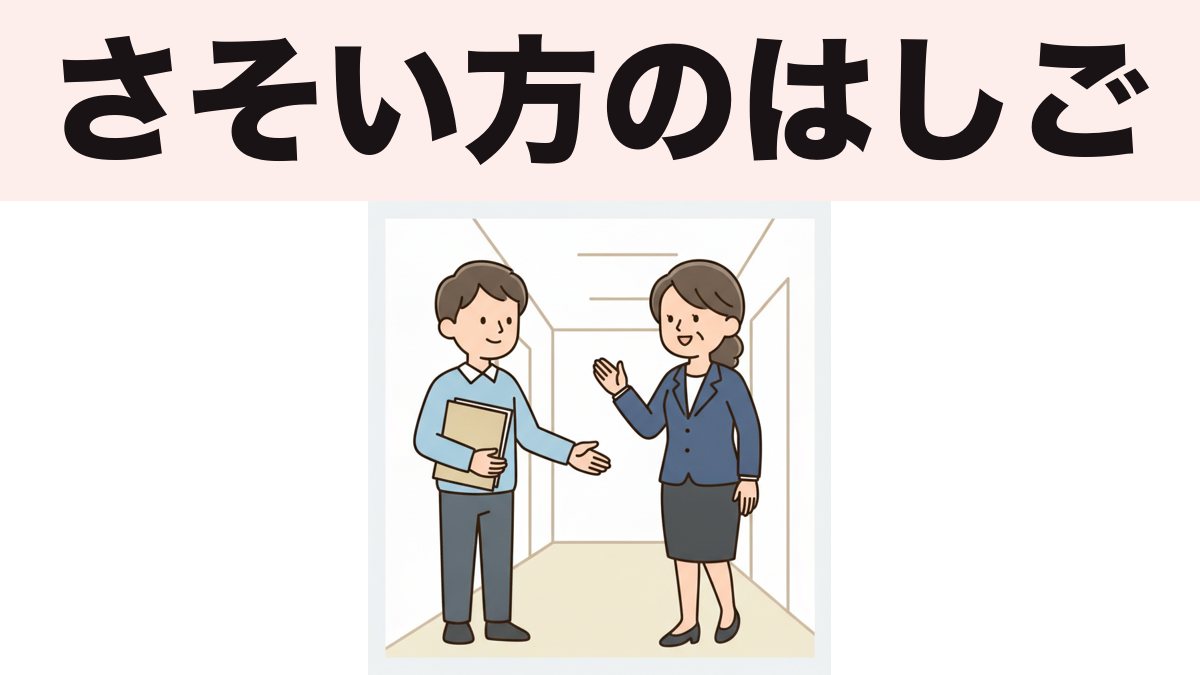
ましょう, ましょうか, ませんか: "let's", "shall I", and the invitation ladder
ましょう assumes you already agree, ませんか asks first, and ましょうか offers to do it for you. Which one to use, and why ましょう can sound pushy to a boss.
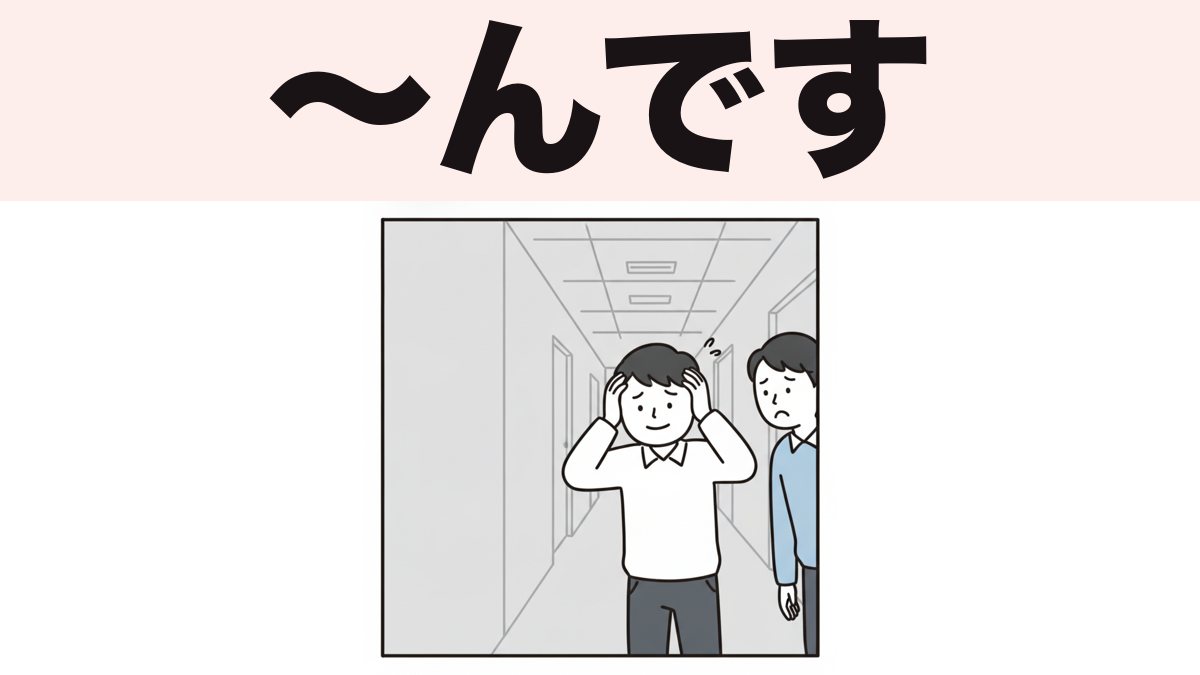
〜んです: the ending that connects your sentence to the situation
〜んです does not add meaning — it says "this explains something." How to build it, why 学生んです is wrong, and why too many んですか sounds like an interrogation.
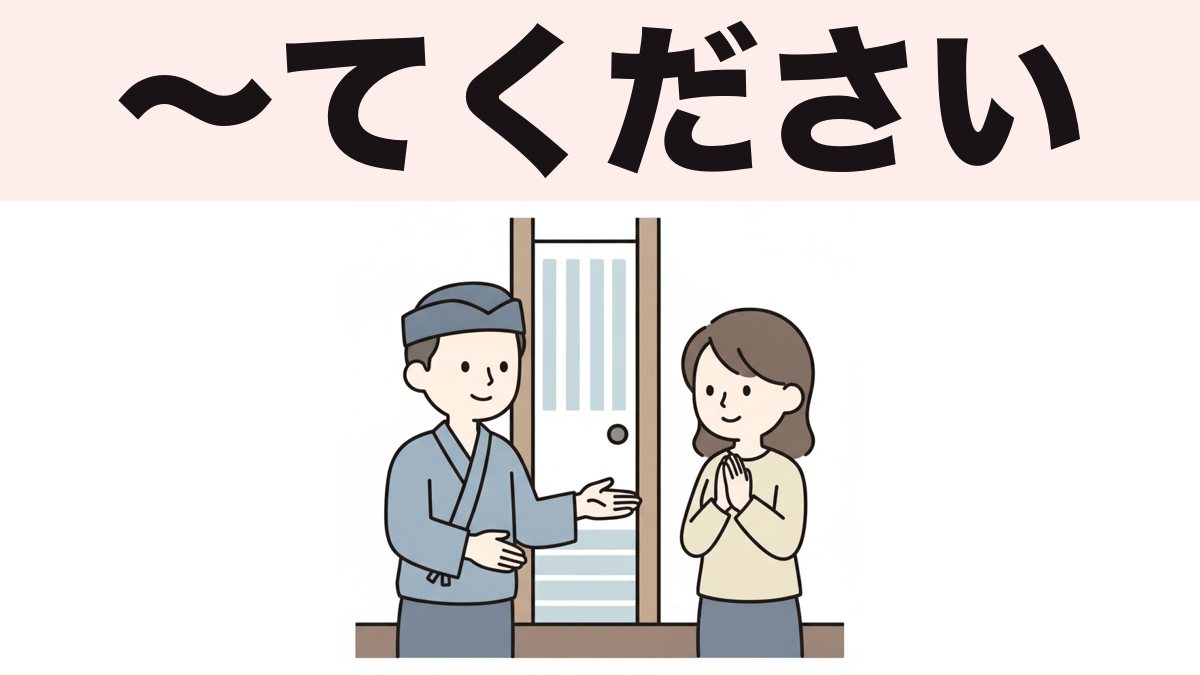
〜てください: polite, but not as polite as you think
〜てください is an instruction with a please on it. How to build it, the negative 〜ないでください, and the four rungs above it for when you need to actually ask.
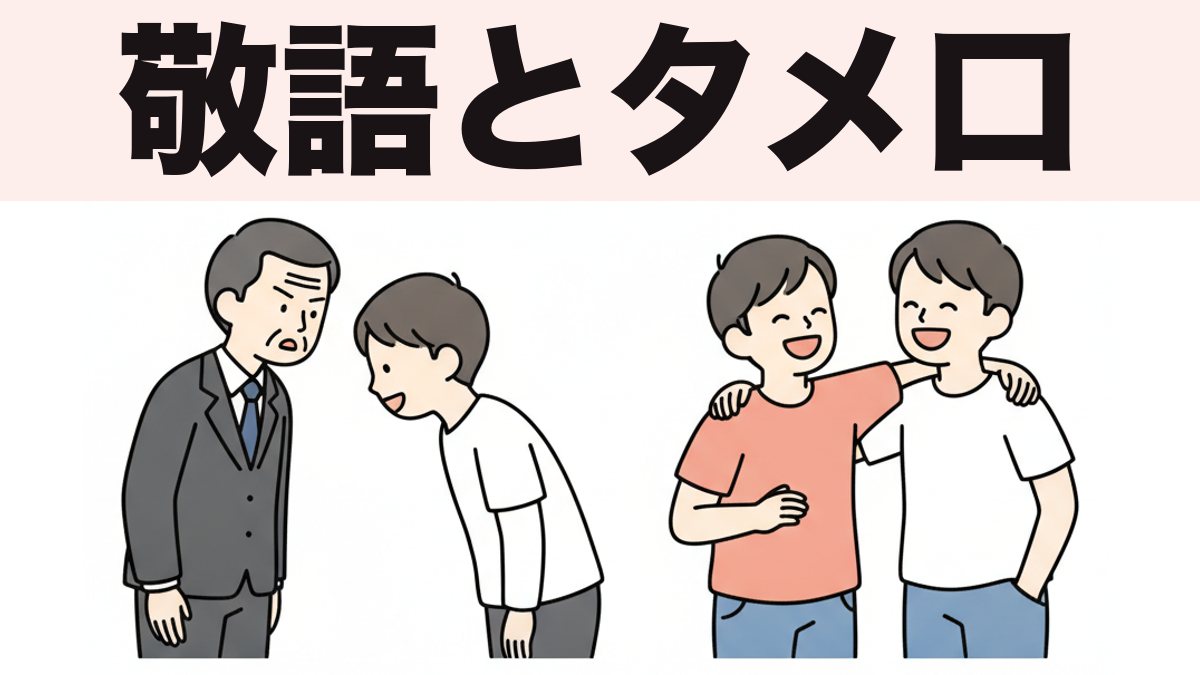
Keigo vs casual: how to know when to switch in Japanese
Keigo splits into three tools — polite, respectful, and humble — not one register. Here is what each does and when speakers actually switch.
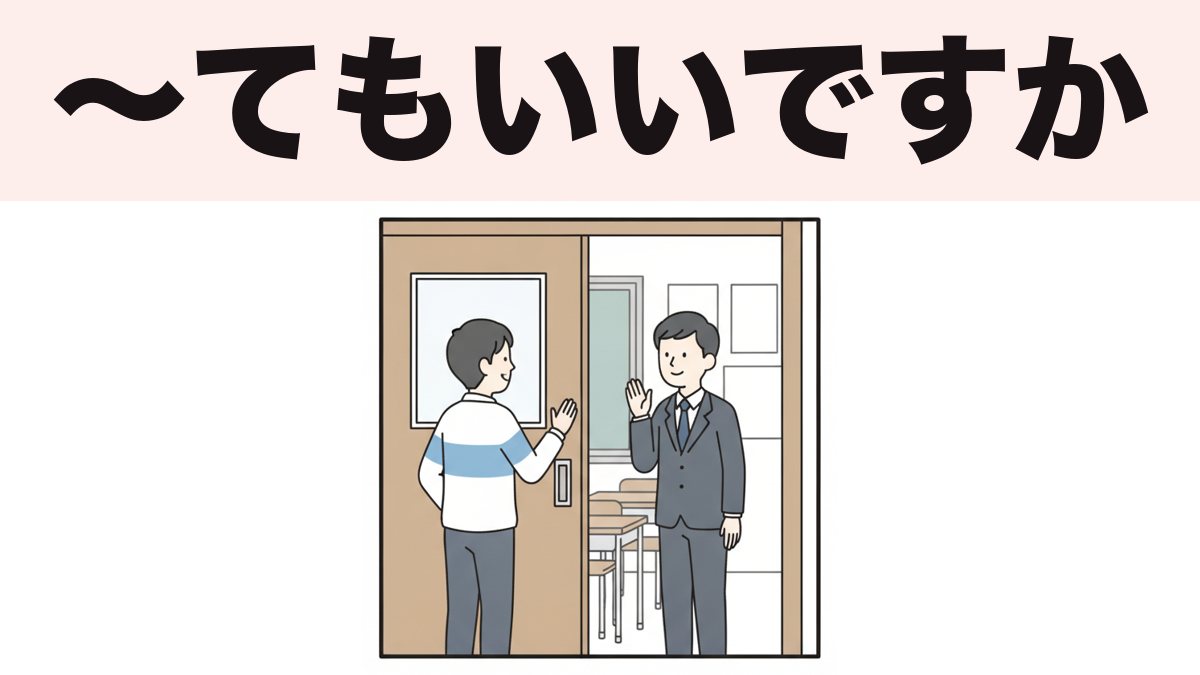
Te mo ii desu ka: how do you ask "can I" in Japanese?
Te mo ii desu ka means "may I" or "can I" in Japanese, asking permission to do something. For example, 写真を撮ってもいいですか means "May I take a photo?"
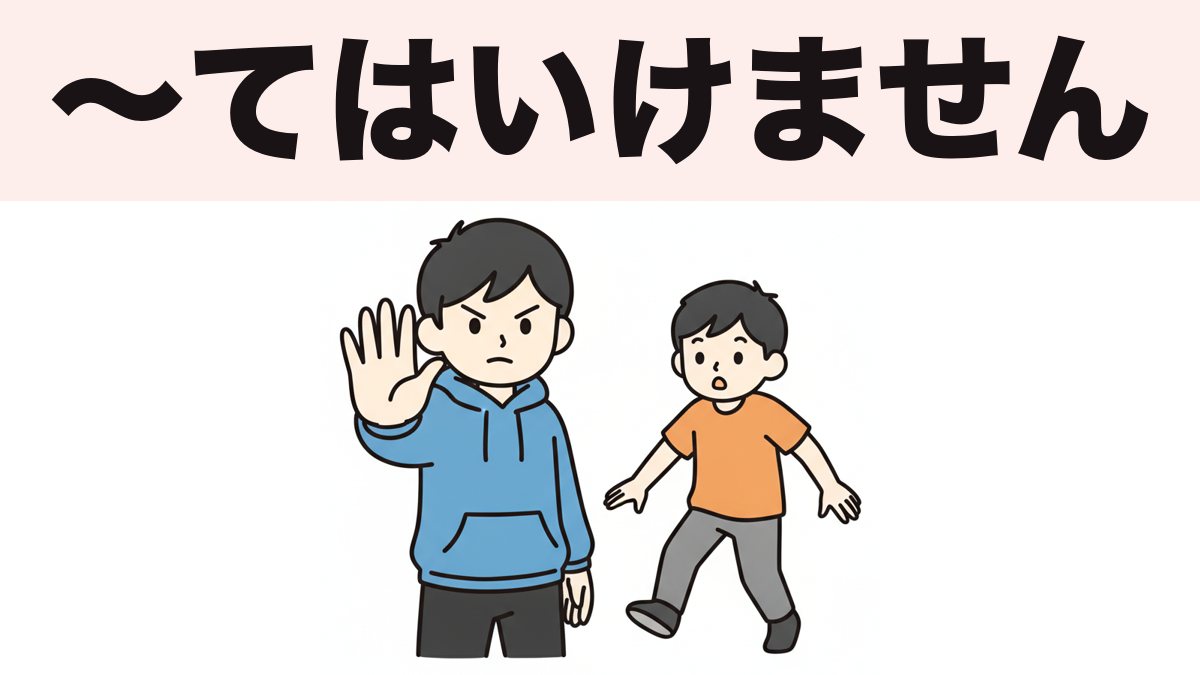
てはいけません: how strong is "you must not" in Japanese?
てはいけません states a rule, not a request. Here is how it differs from だめ, ないでください, and the anime shout んじゃない, with a strength ladder.
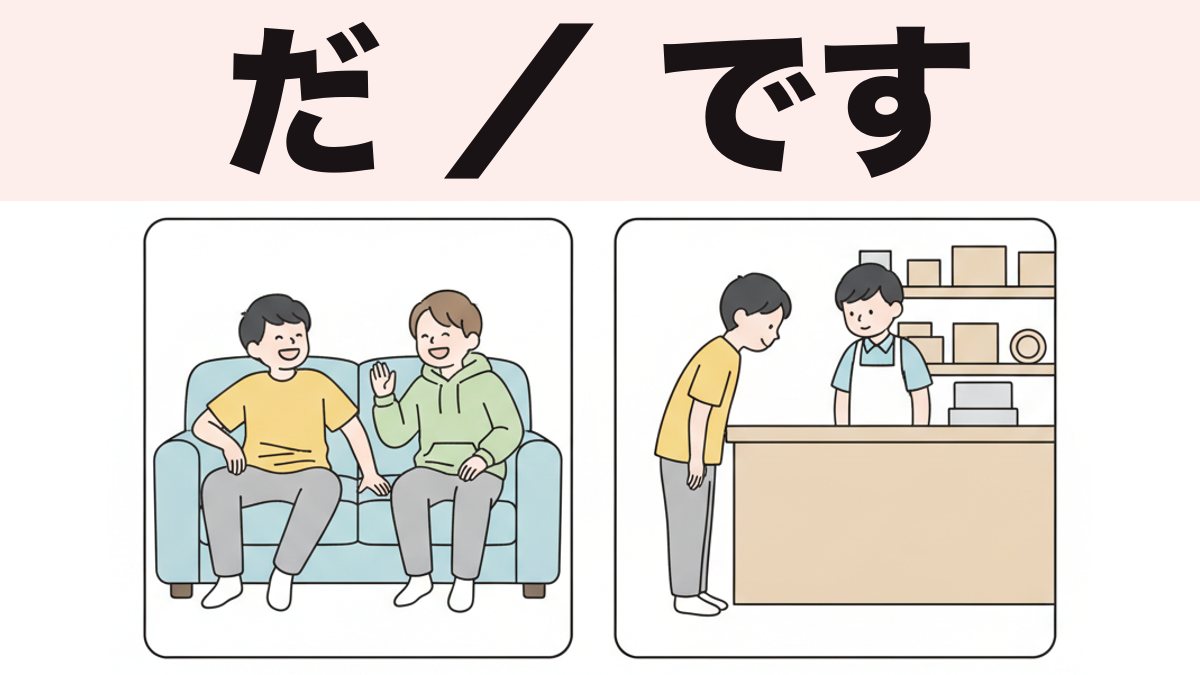
だ or です: the one decision that changes how you sound
Learn when to use だ and です, how verbs and adjectives change, and why plain forms belong inside polite sentences, with examples and practice.
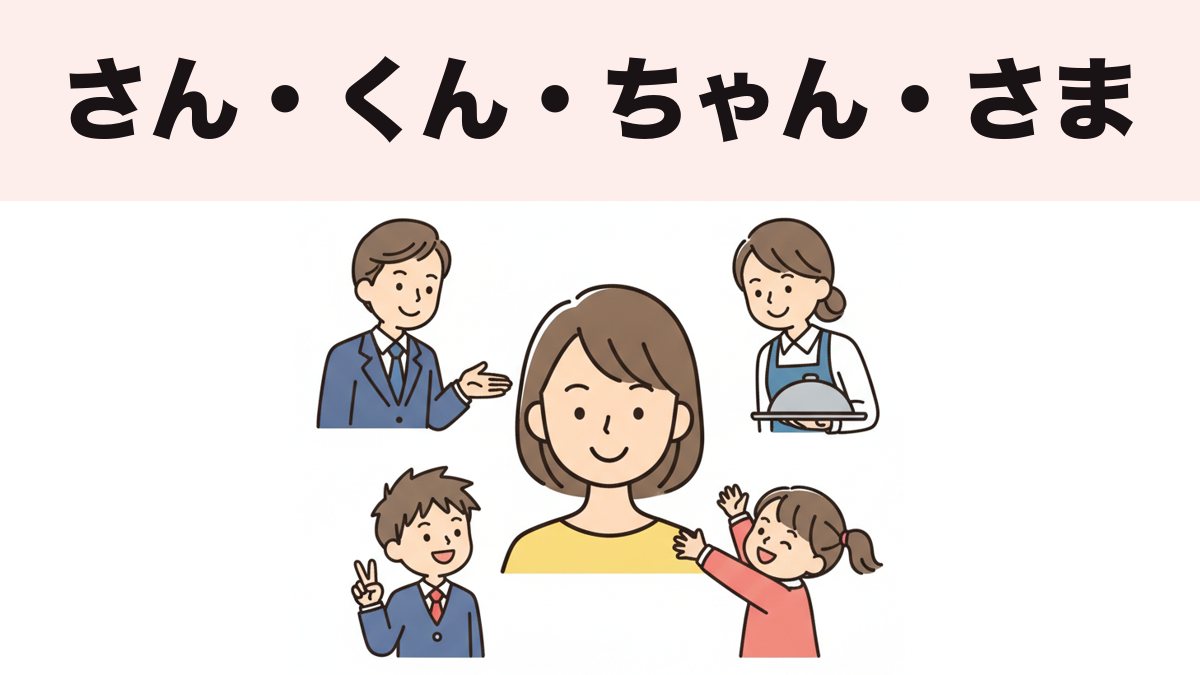
San, kun, chan, sama: the honorifics guide anime fans actually need
Learn what san, kun, chan, and sama signal about relationships, how to choose a name, and when dropping an honorific can sound too familiar.
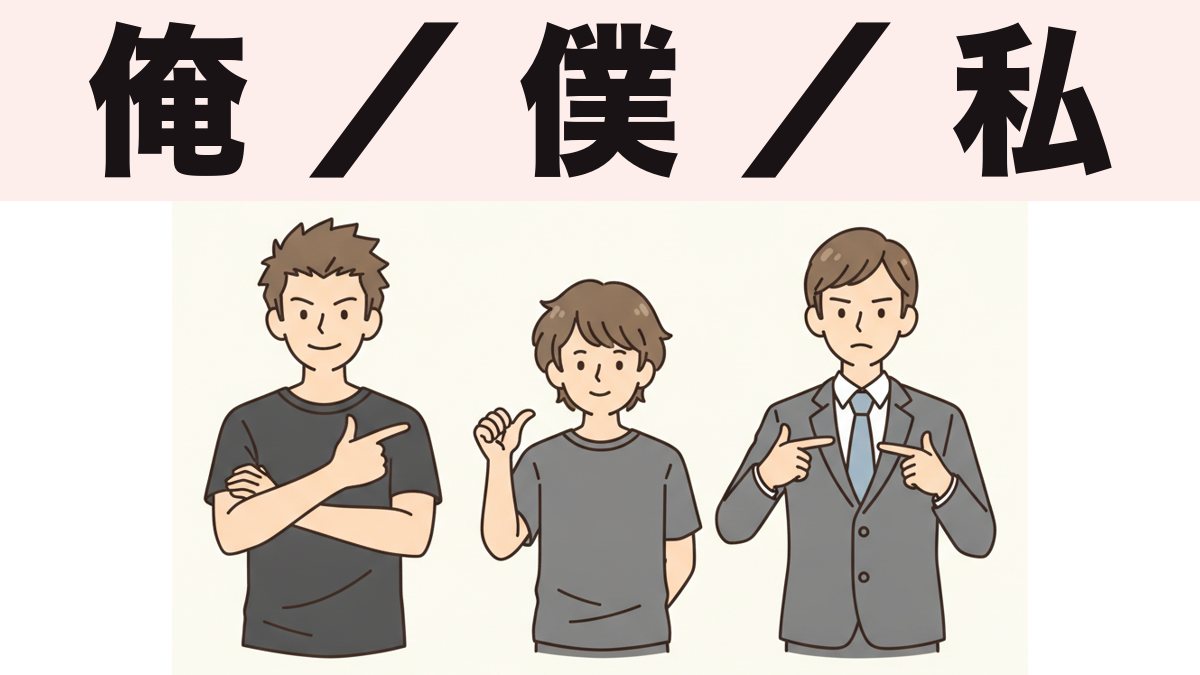
Ore, boku, watashi: which "I" should you actually use?
Japanese has more than a dozen ways to say "I", and anime uses all of them. Here is the short list that covers real life, and what each one tells people about you.
What anime teaches
Japanese honorifics: さん, くん, ちゃん, さま and when to use nothing at all
さん is the safe default, くん and ちゃん are warmth with a direction, さま is distance upward — and dropping all of them is its own loud statement. Here is how the whole set works.
〜なし: the short, hard way to say "without" in Japanese
なし is the noun form of ない, and it ends sentences with a flatness that ありません cannot. Here is なし, なしで, なしに, ぬきで, and why anime uses the short one.
ぜんかい: 前回 and 全開 are different words, and the episode set they belong to
Learn zenkai, konkai, and jikai for last time, this time, and next time in Japanese, and distinguish zenkai from its sound-alike meaning full power.
ネタバレ: how to say "spoiler" in Japanese, and how to ask people not to
ネタバレ is the Japanese word for a spoiler — literally "the material leaked". Here is how to use it, how to warn people, and the fandom words that sit next to it.
先輩 and 後輩: the relationship anime is built on, and how to use the words
Learn how senpai, kouhai, and douki describe relationships in Japanese, how to address each person, and when polite speech fits school or work.
声優 (seiyuu): what the word means, and why Japan has a separate word for it
Explore what seiyuu means, how Japanese voice acting differs from dubbing elsewhere, and the vocabulary for discussing who voices each character.
Why the Japanese you learned from anime sounds rude
Anime is full of real Japanese — spoken by characters who are allowed to be rude. Here is what to keep, what to soften, and how to tell which is which.
The best anime to learn Japanese from — and the ones that teach you nothing
Choose anime that builds useful Japanese, compare six shows, avoid copying character speech, and turn short scenes into everyday conversation practice.
How to watch anime with Japanese subtitles without burning out
Learn a manageable Japanese subtitle routine for anime: study one short scene, choose useful lines, and practise speaking without losing the fun.
Yare yare meaning: what does this anime phrase mean?
Learn what yare yare means, how tone changes eight familiar anime phrases, and how to use them naturally in everyday Japanese conversations.
Talking to real people
Jikka, jimoto, kisei: how Japanese talks about "going home"
実家 is your parents' home, 地元 is your hometown area, and 帰省 is the trip back there. Why "I went to my town" sounds odd in Japanese, and what people say instead.
と言えば and そういえば: how to say "speaking of" in Japanese
と言えば means "speaking of" and links to what someone just said. そういえば means "that reminds me" and changes the subject. How to use both, plus と言ったら.
Japanese job interview phrases: what to say from the door to the bow
The set phrases a Japanese interview runs on, in order: 失礼します at the door, 御社 for their company, 申します for your name, and the question to ask at the end.
Japanese sarcasm: 皮肉, 嫌味, and why "すごいですね" can be an insult
Japanese has sarcasm, but it is not delivered by tone of voice. It arrives as excessive politeness, over-praise or a stated obvious fact — which is why learners miss it entirely.
Business Japanese vocabulary the JLPT never teaches you
御社, 弊社, 進捗, 懸念, 承知しました — the words that fill a Japanese workplace and barely appear in textbooks. What each one means and who says it.
How to disagree in Japanese without sounding blunt
違います is for facts, not opinions. The phrases Japanese actually uses to disagree — たしかに〜ですが, とは少し違って, それはどうでしょうか — and when to use each.
〜あたり and 〜につき: how to say "per person" in Japanese
一人あたり is "per person" for calculations, お一人様につき is "per person" for rules, and 一人ずつ is "one at a time" — three phrases English collapses into one word.
ただいま and おかえり: the four greetings a Japanese home runs on
ただいま means "I am back" and おかえり means "welcome back" — two halves of one exchange. Here are all four door greetings, plus why anime wives say おかえりなさい、あなた.
四字熟語: the four-character idioms worth actually learning
A 四字熟語 packs a whole proverb into four kanji — 一石二鳥, 十人十色, 臨機応変. Which ones are used in daily life, and how to fit them into a sentence.
だいたい: "roughly", "mostly", and the one that means "in the first place"
だいたい means roughly, and it also means generally, and at the start of a sentence it means "in the first place" — which is where an argument usually begins. Here are all three.
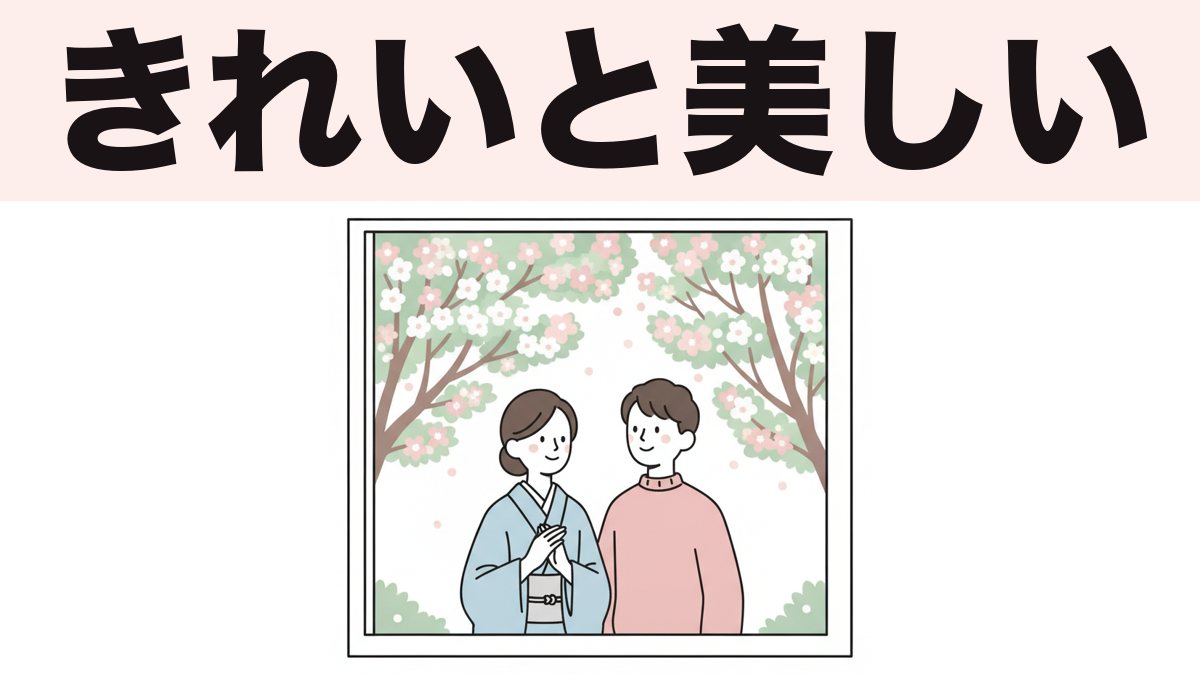
Japanese words for beautiful: きれい, 美しい, かわいい and what each one claims
きれい is the everyday one and also means clean. 美しい is beauty with distance. かわいい is not "beautiful" at all. Here is what each word actually claims about what you saw.
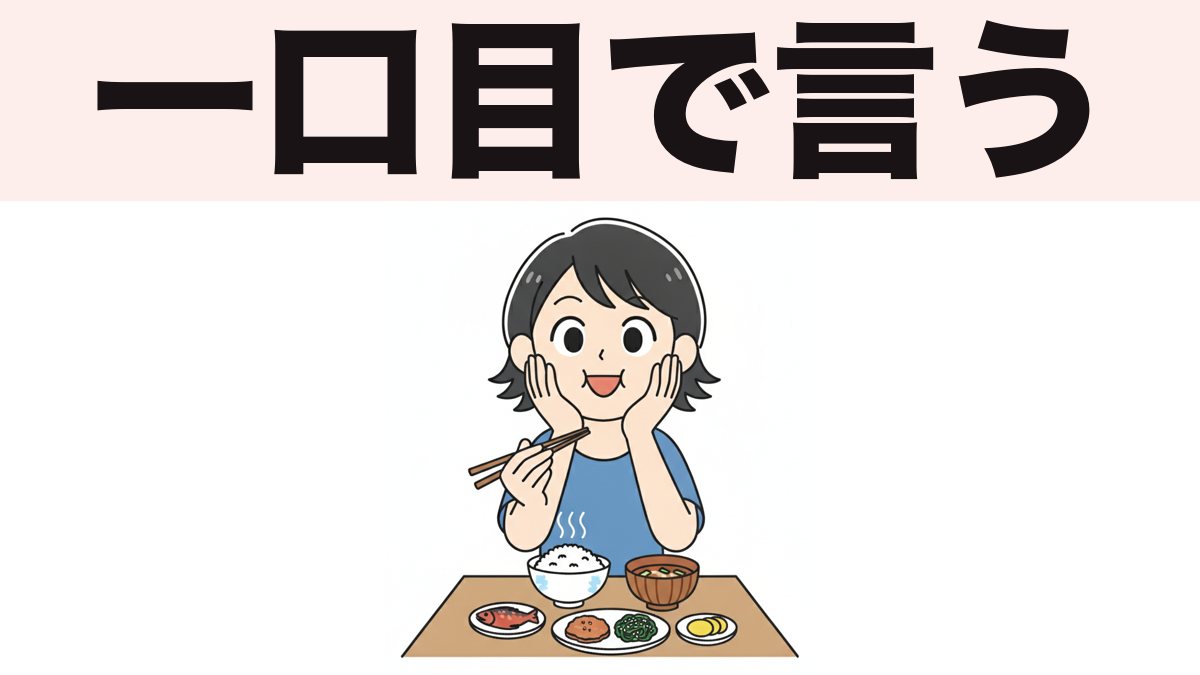
Japanese words for delicious: 美味しい, うまい, 絶品 and what not to say
Learn when to use oishii, umai, and zeppin for delicious food in Japanese, how their tones differ, and what to say while your mouth is full.
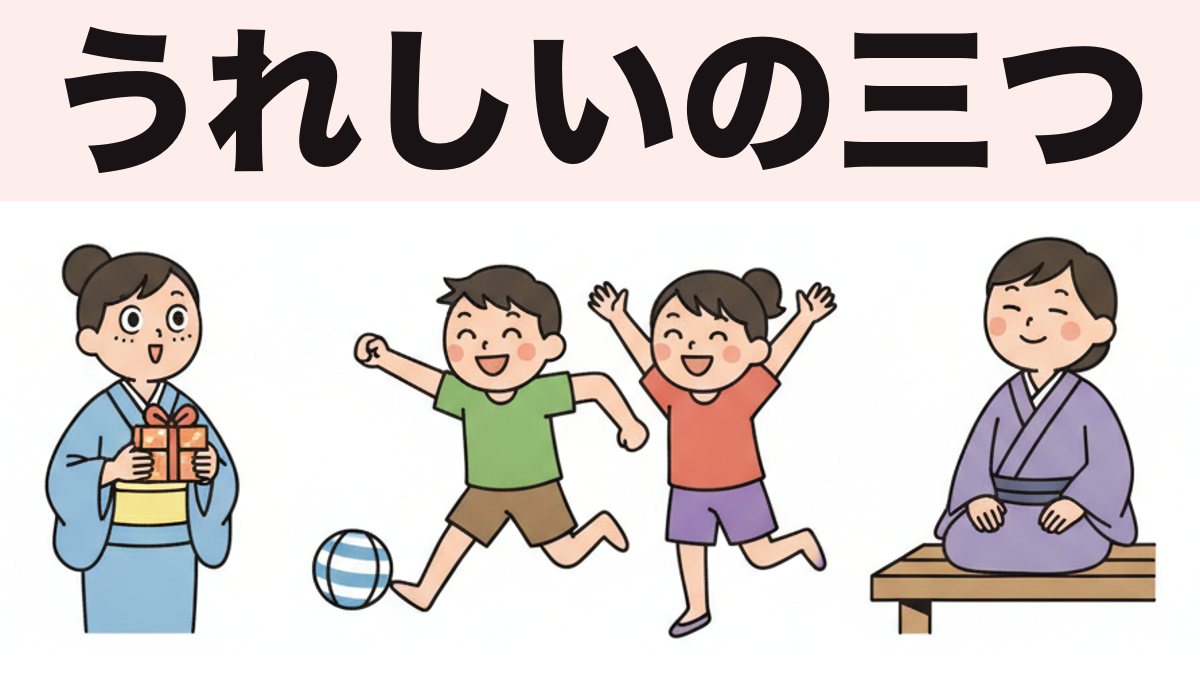
Japanese words for happy: 嬉しい, 楽しい, 幸せ and which one you actually mean
嬉しい is happy about something that happened, 楽しい is enjoying something as it happens, and 幸せ is happy with your life. English uses one word for all three.
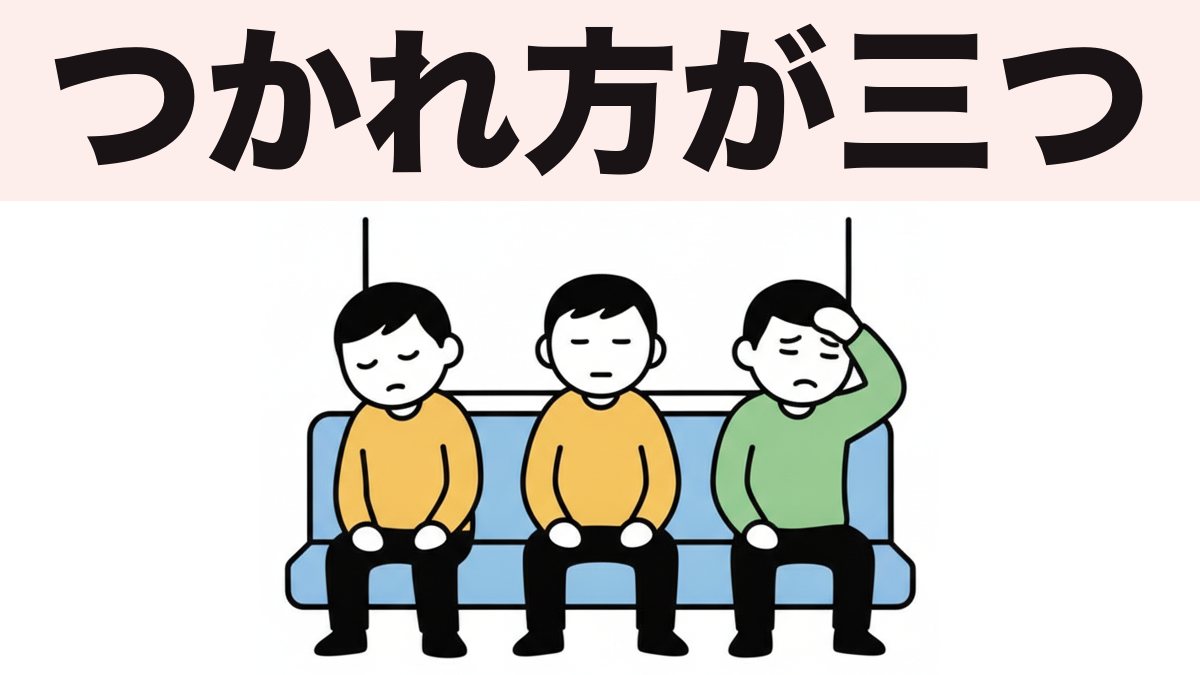
Japanese words for tired: 疲れた, 眠い, だるい, へとへと and which one to use
疲れた is tired from effort, 眠い is sleepy, だるい is heavy and unwell, and へとへと is wiped out. Here is the whole set, plus why お疲れさま is not one of them.
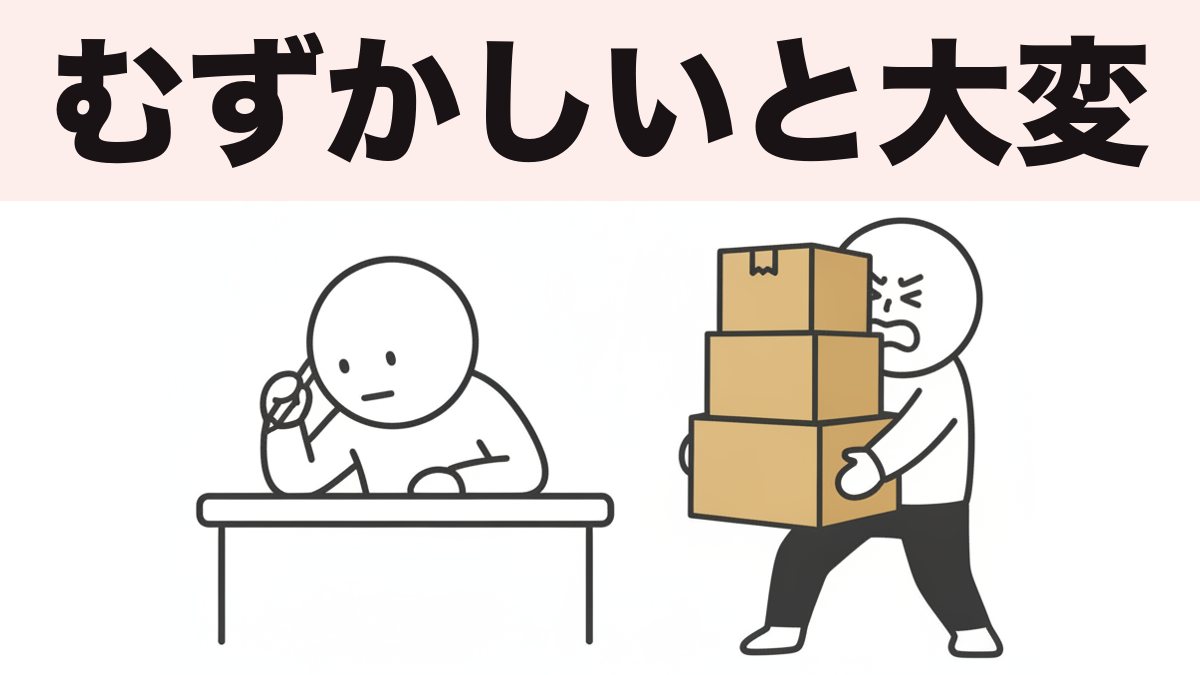
難しい and 大変: "difficult" and "tough" are not the same complaint
Learn how muzukashii describes difficulty and taihen describes hardship in Japanese, with vocabulary to explain how challenging something feels.
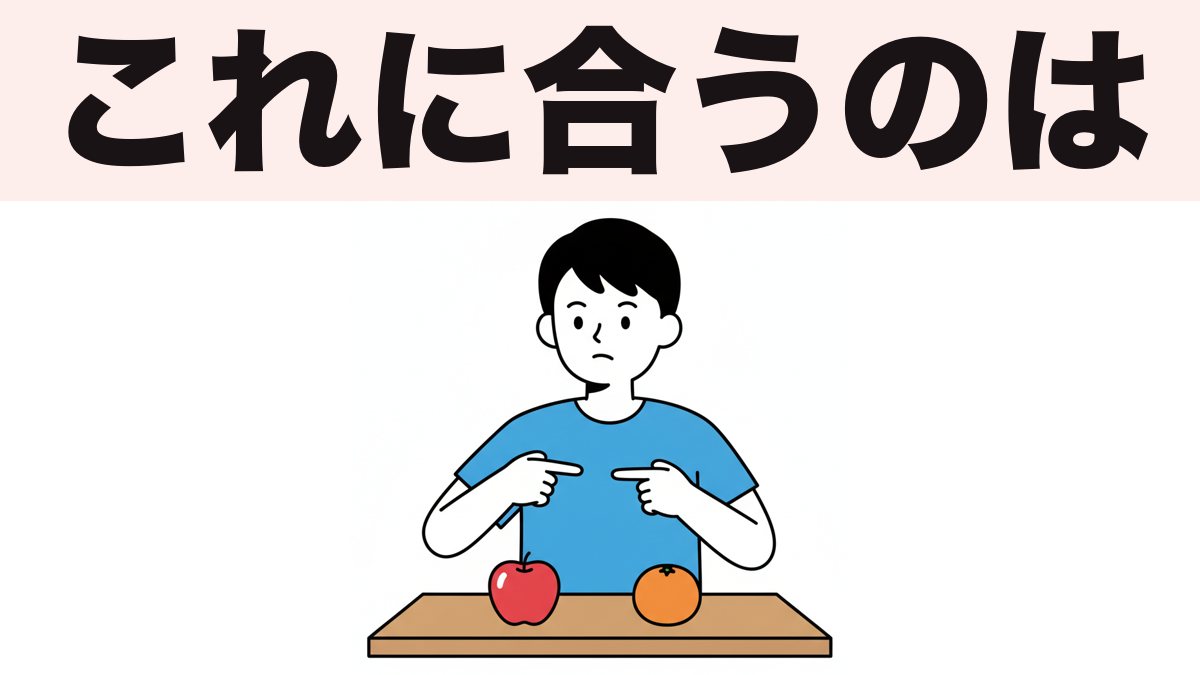
〜にあたる: the word you need when two languages do not line up
Learn how ni ataru expresses equivalents, dates, and matching relationships in Japanese, and how its meaning differs from ni atatte.
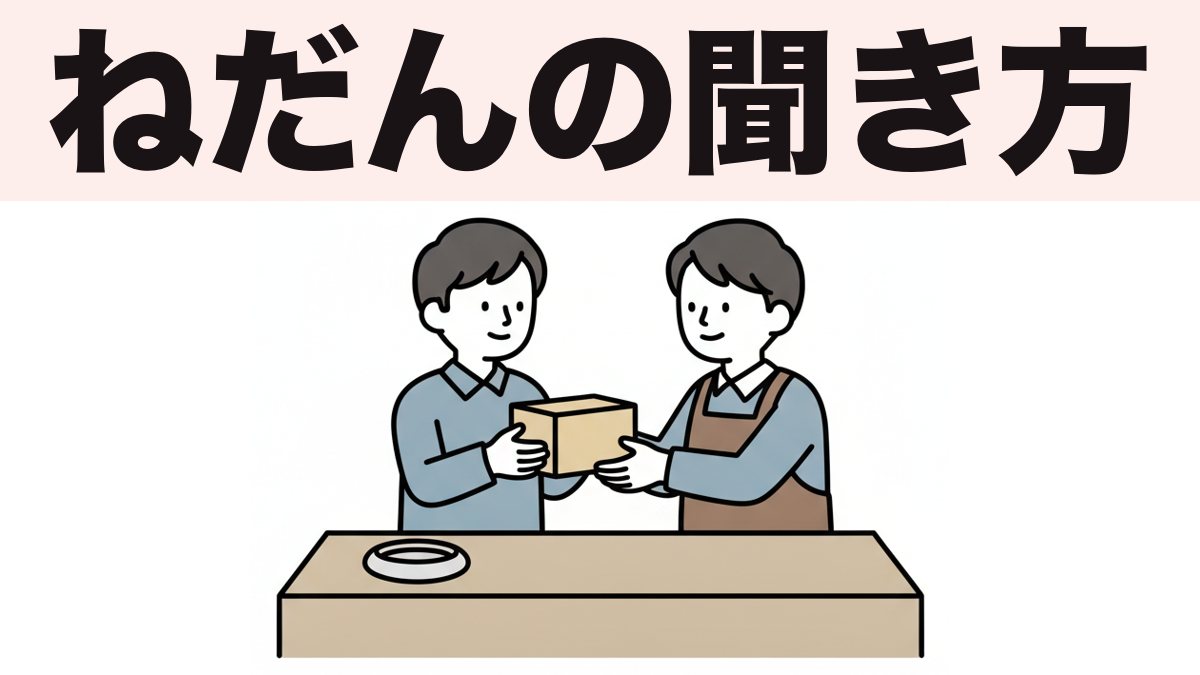
いくらですか: asking how much something costs, and understanding the answer
Learn to ask prices with ikura desu ka, handle fast replies with useful follow-up questions, and read Japanese price tags before you ask.
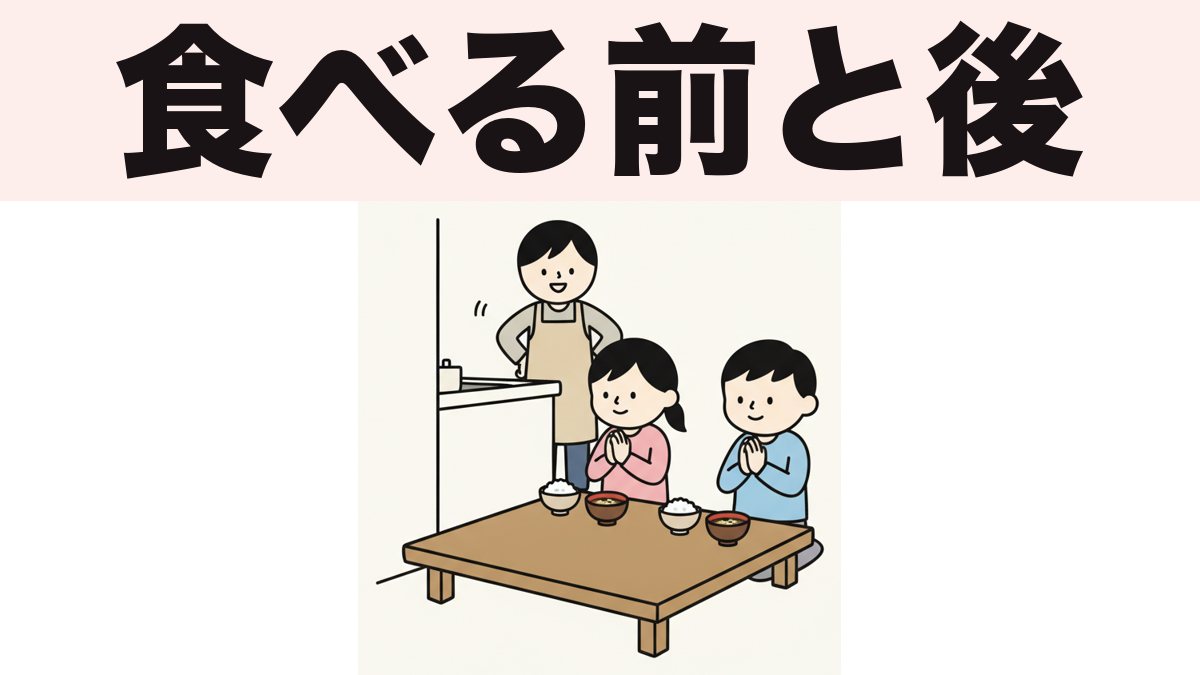
いただきます and ごちそうさま: what you actually say before and after eating
Learn when to say itadakimasu and gochisousama, how to thank a host, and how humble eating verbs work, with examples and practice questions.
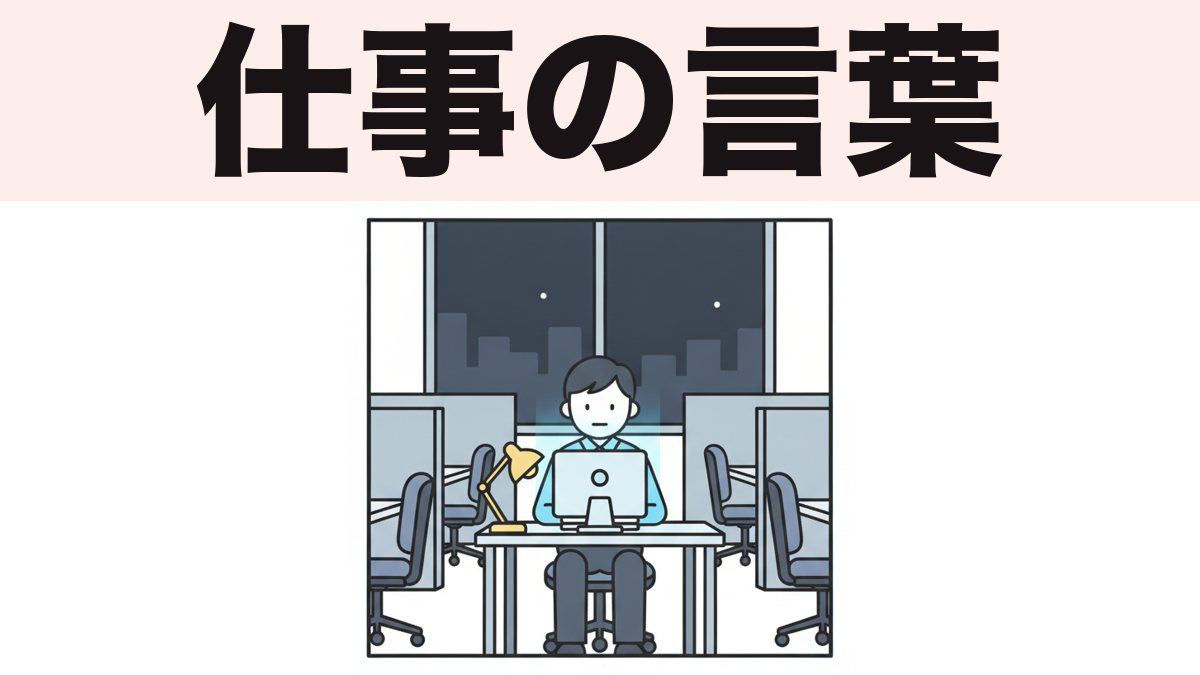
残業, 出勤, 有給: the Japanese work vocabulary that arrives late and matters early
Learn Japanese workplace vocabulary for overtime, going to work, and paid leave, with the verbs and particles needed to use each term naturally.
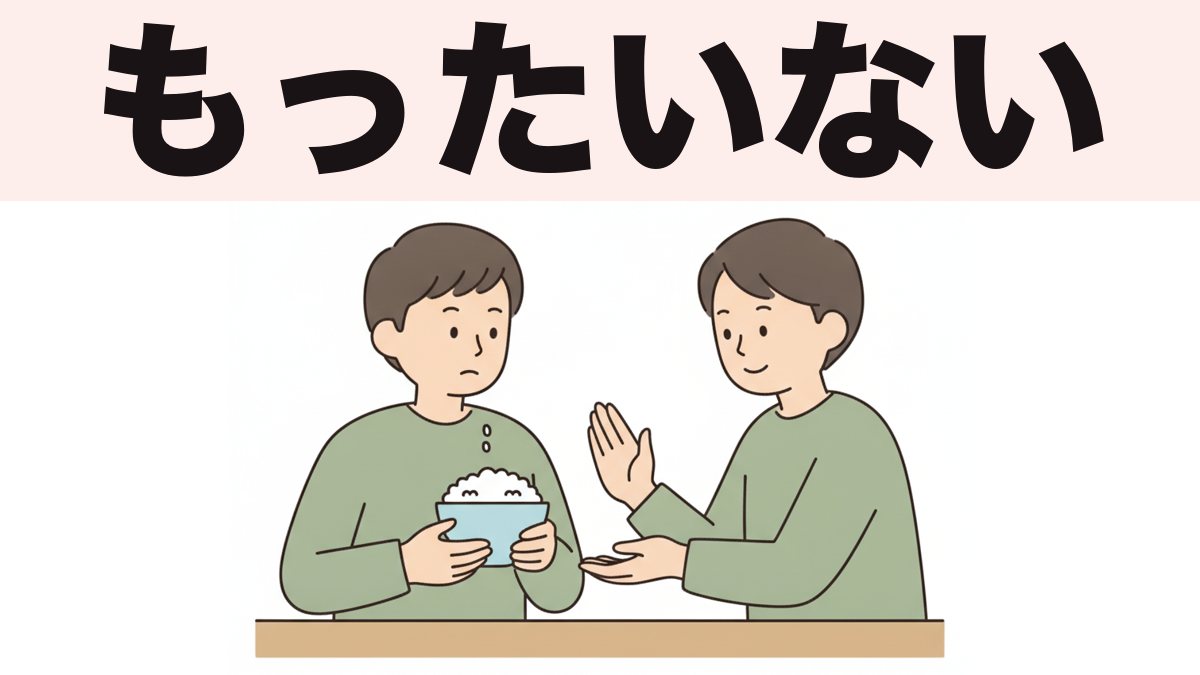
もったいない: the word for "what a waste", and why it is bigger than that
Explore how mottainai describes wasted food, money, talent, and opportunities in Japanese, and how it can also be used to turn down a compliment.
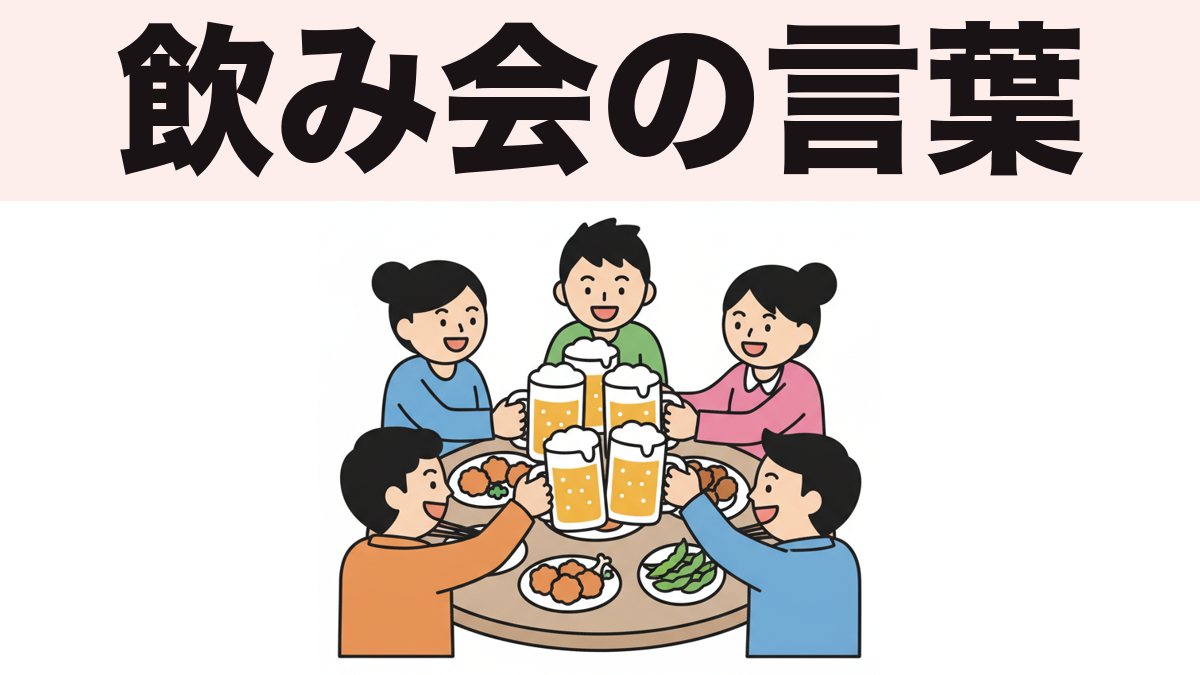
飲み会 and 無礼講: the words you need at a Japanese drinking party
Explore Japanese drinking party vocabulary, what happens at a nomikai, and why a bureikou announcement does not always erase workplace rank.
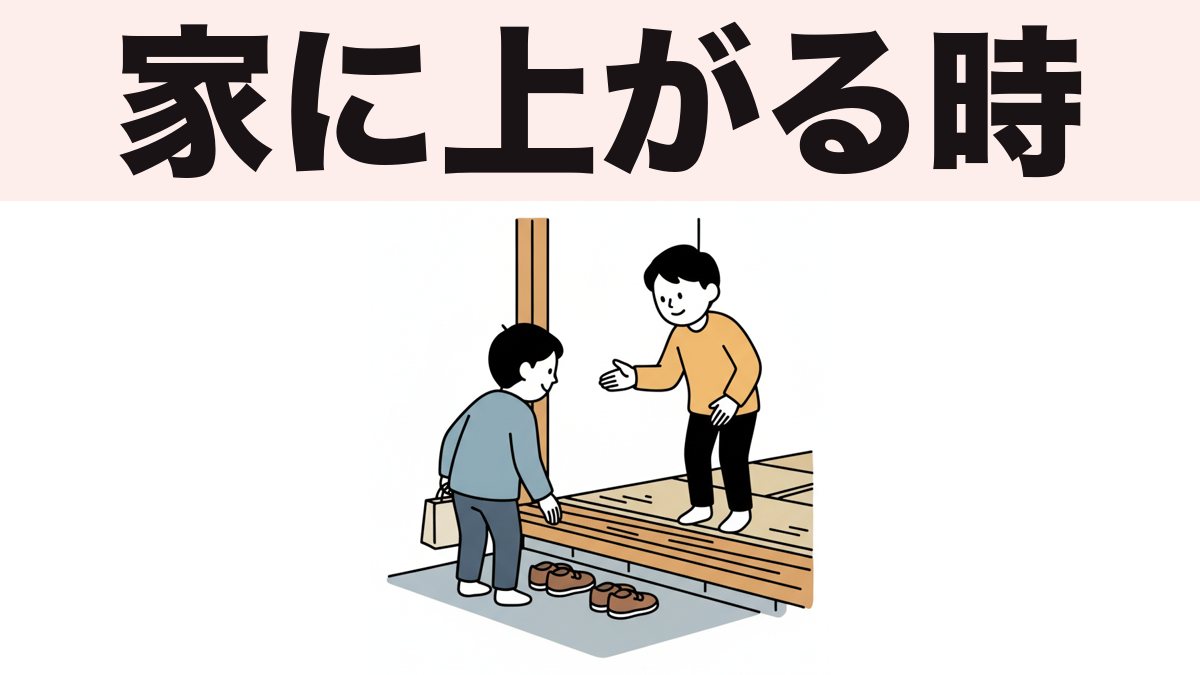
お邪魔します: what to say when you walk into a Japanese home
お邪魔します literally means "I am going to be a nuisance". It is what you say at the door, and the phrase you say on the way out is the same verb in the past. The full sequence of a visit.
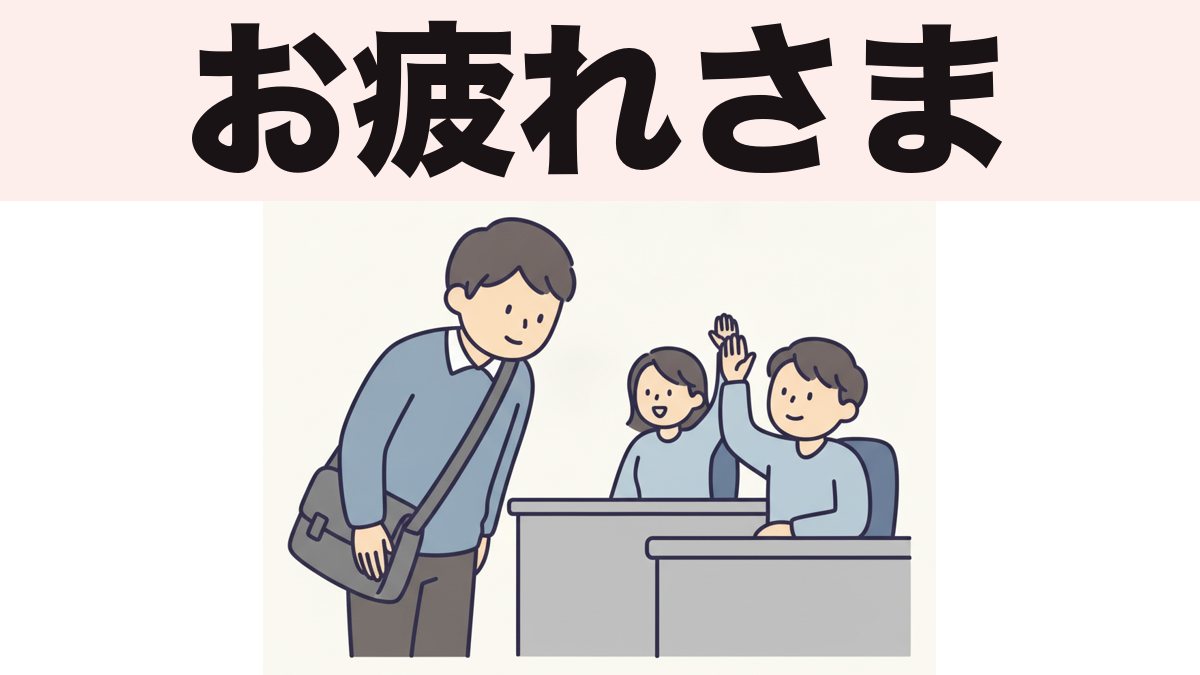
お疲れさま: the Japanese phrase that means hello, goodbye, thank you and well done
お疲れさまです is the most-used phrase in Japanese working life, and it is not really about tiredness. Here is what it does, who you can say it to, and why ご苦労さま is the version that gets people in trouble.
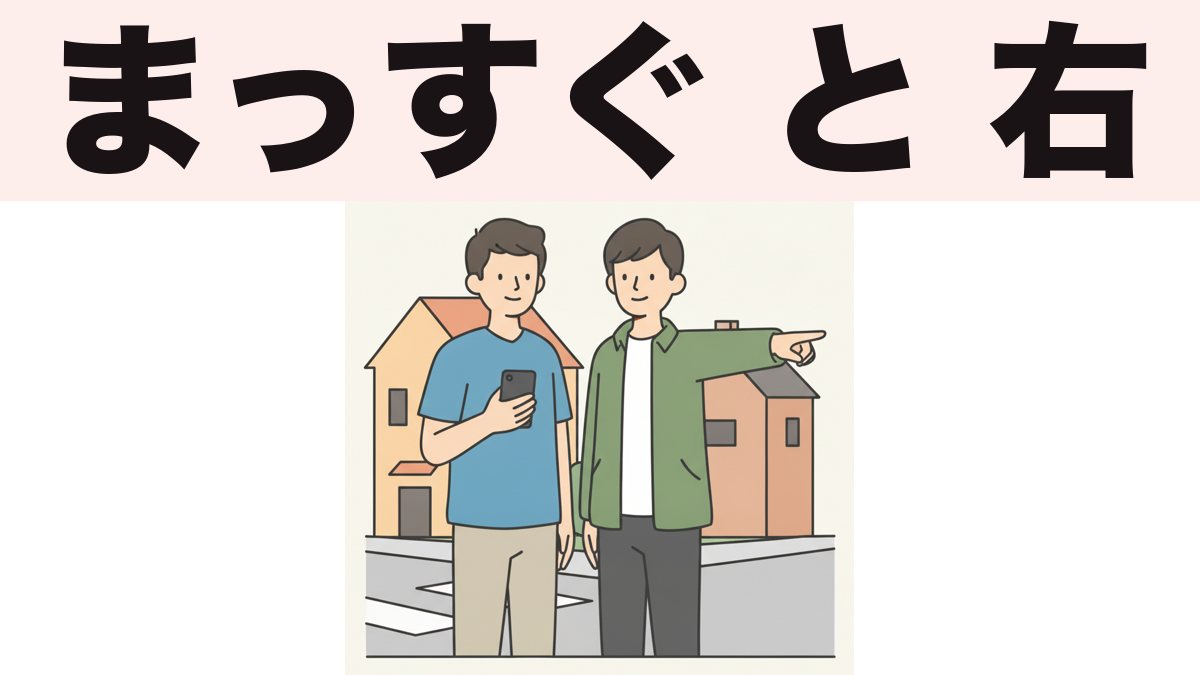
Asking for directions in Japanese: 一番近い駅, and the four words in the answer
すみません、駅はどこですか gets you a direction; understanding the answer needs まっすぐ, 右, 左 and 曲がる. Here is the full exchange, plus 最寄り駅 and how to check you understood.
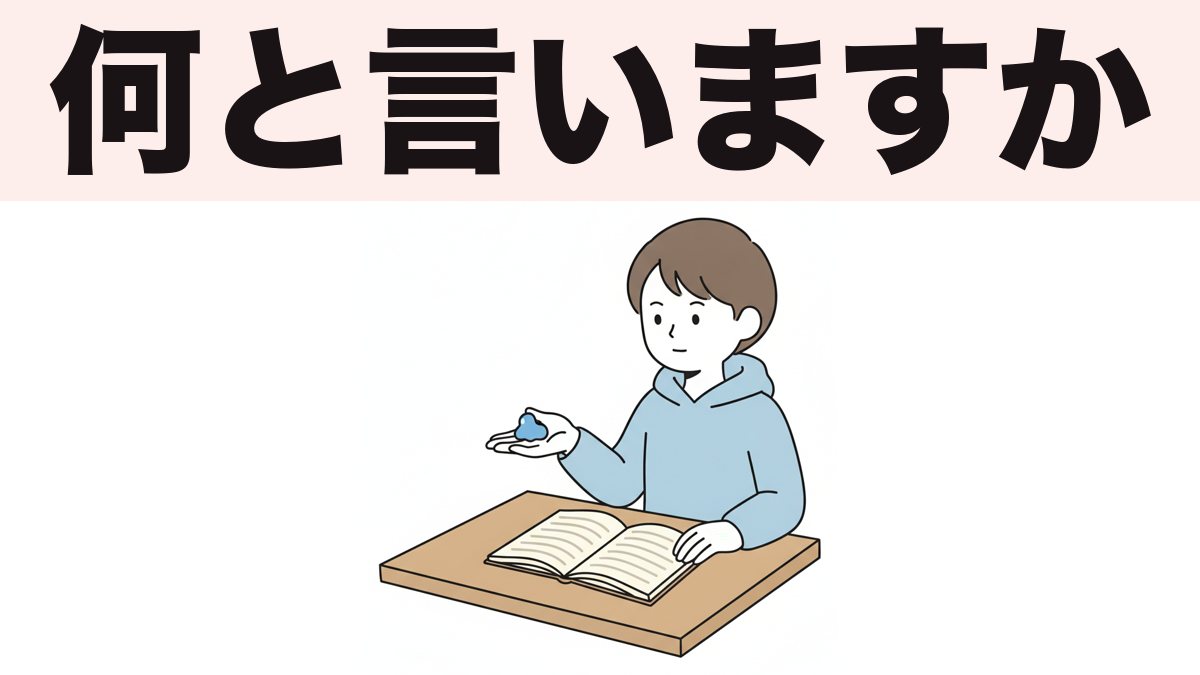
How do you say "how do you say...?" in Japanese?
Learn how to ask what something is called in Japanese, use shorter everyday phrases, and ask for a word even when you do not know it in English.
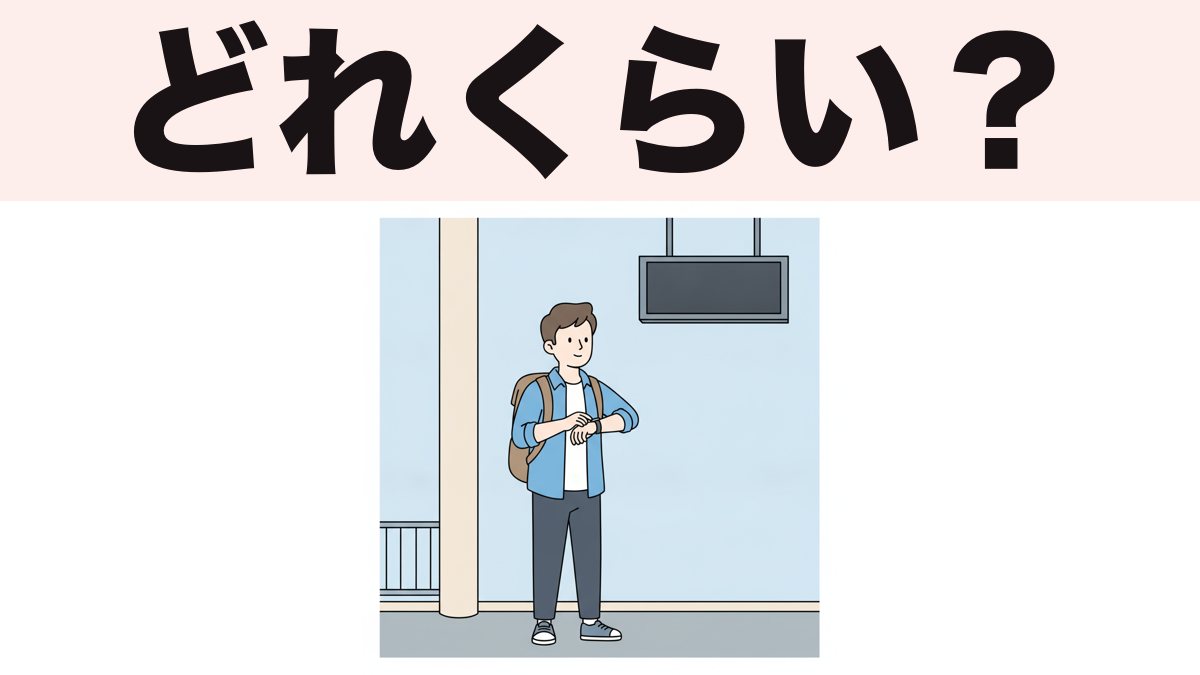
どれくらいかかりますか: how to ask "how long does it take" in Japanese
Learn to ask how long something takes in Japanese with kakaru, answer questions about time and cost, and avoid a particle mix-up that matters.
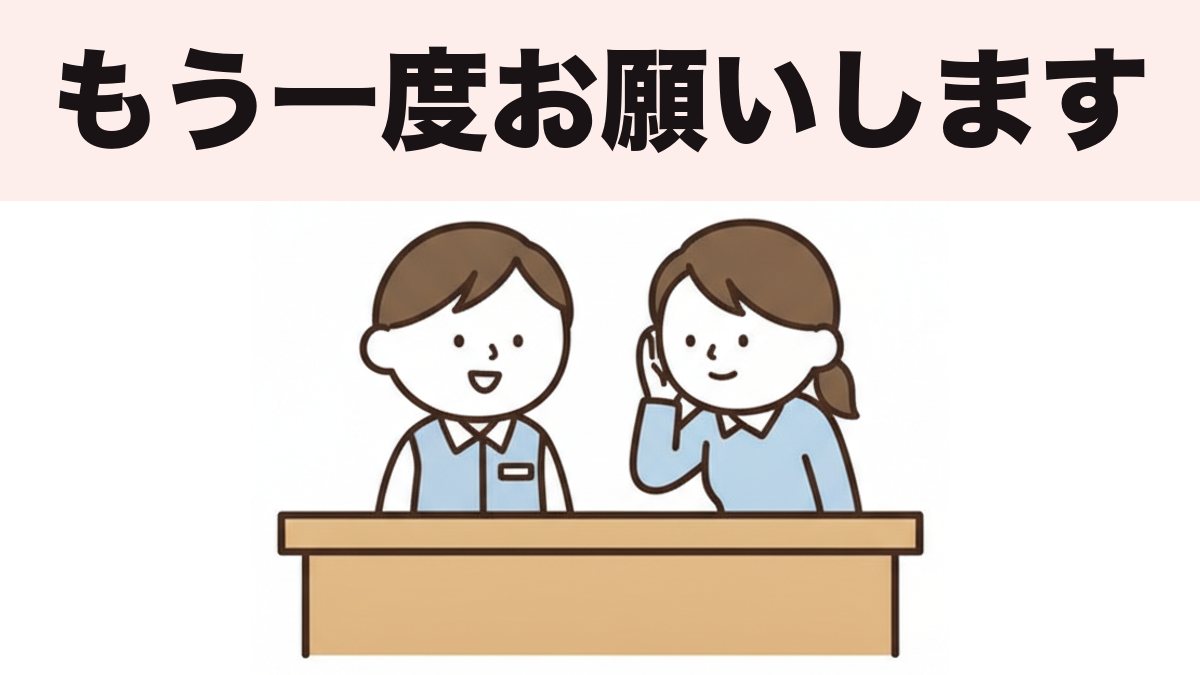
How to ask someone to repeat themselves in Japanese — without saying え? every time
もう一度お願いします is the safe one. But "say it slower," "say it differently" and "which word did I miss" are separate requests, and asking for the right one is the difference between a second chance and a repeat of the same wall of sound.
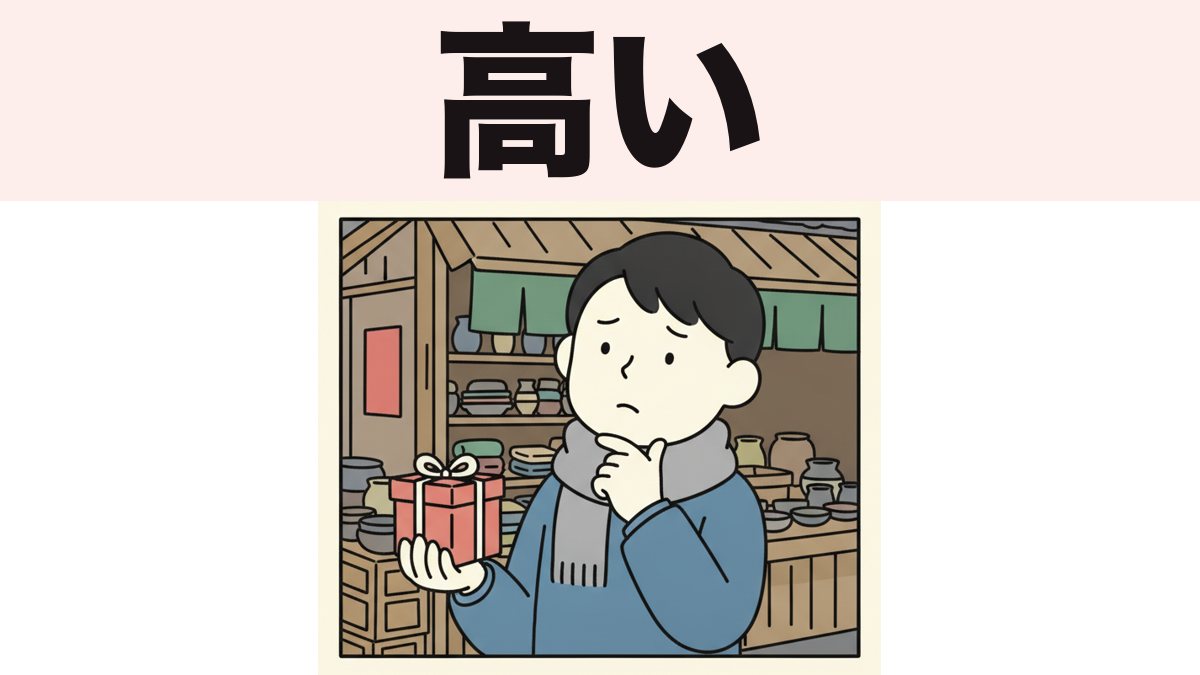
Expensive in Japanese: 高い (takai), the Word That Also Means Tall
Expensive in Japanese is 高い (takai). How to say too expensive politely (chotto takai), the opposite 安い (yasui), and why takai also means tall.
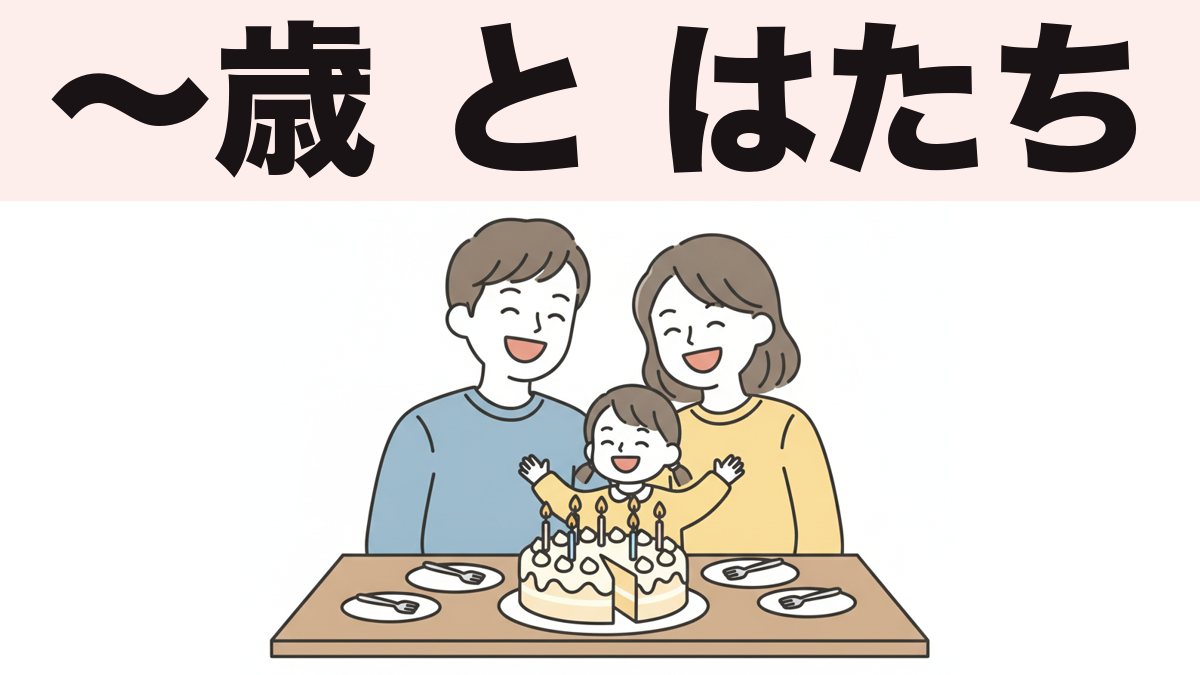
How to say your age in Japanese: 〜歳, the four readings that break, and 二十歳
Ages take the counter 歳: 三十歳 is さんじゅっさい. Four numbers change the reading, and 20 has its own word — 二十歳 is はたち. Here is the full set plus how to ask politely.
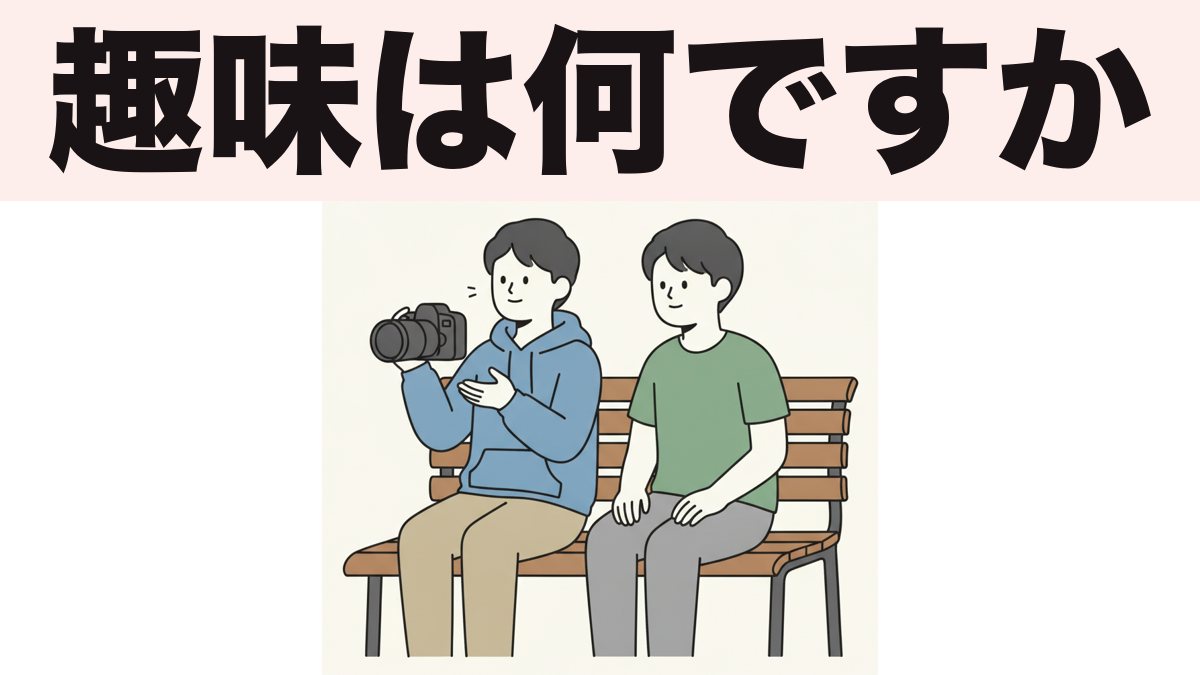
Talking about hobbies in Japanese: 趣味は何ですか, and the answer that sounds natural
趣味は何ですか is easy to ask and surprisingly hard to answer well. Here is the vocabulary, the 〜ことです and 〜のが好きです patterns, and why a bare noun often sounds flat.
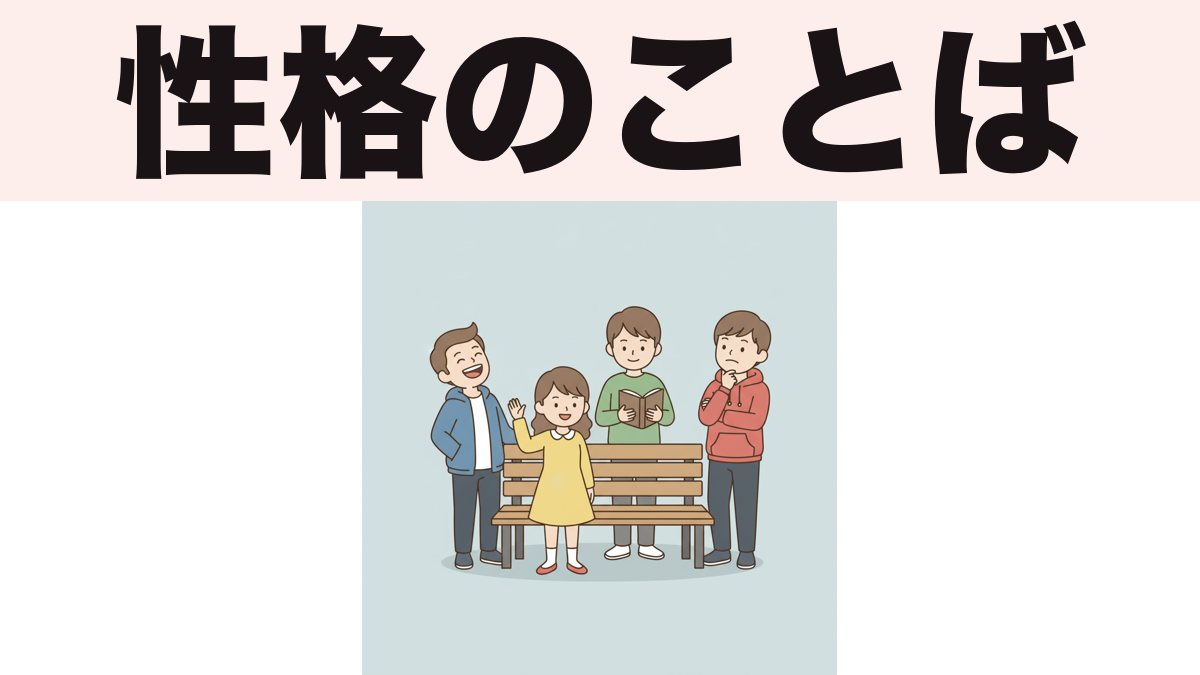
Japanese personality adjectives: how to describe someone without insulting them
Learn Japanese personality adjectives, from kind and serious to cheerful, and spot words that sound like compliments but can cause offense.
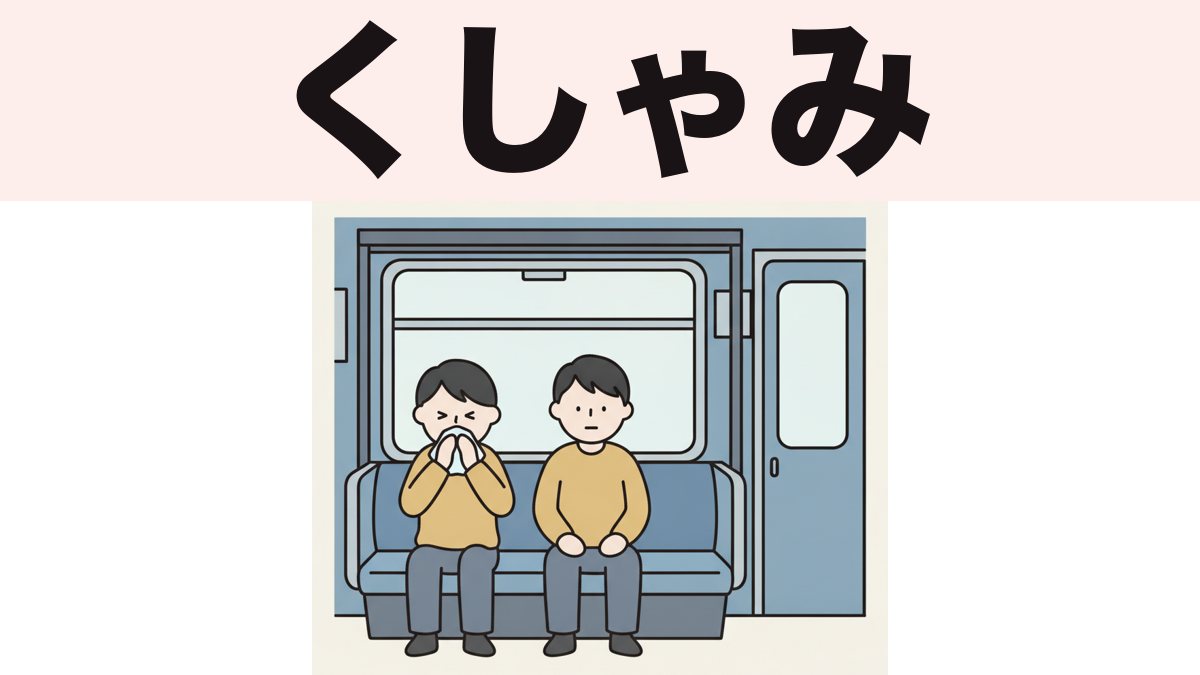
Sneezing in Japanese: ハクション, and why nobody says "bless you"
Learn Japanese sneeze vocabulary, the sound hakushon, and a traditional superstition, plus why silence is the usual response to a sneeze.
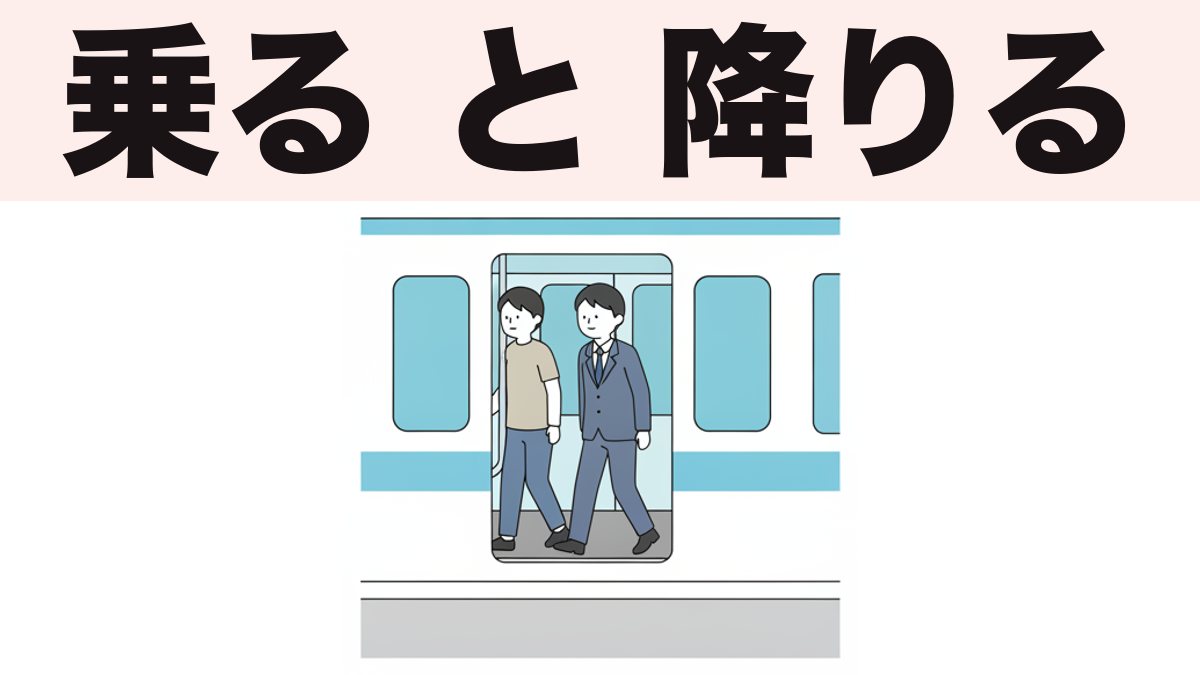
Japanese transportation vocabulary: the words, and the particle that surprises everyone
Learn Japanese transportation vocabulary and the particles used with noru and oriru, so you can talk about getting on and off vehicles correctly.
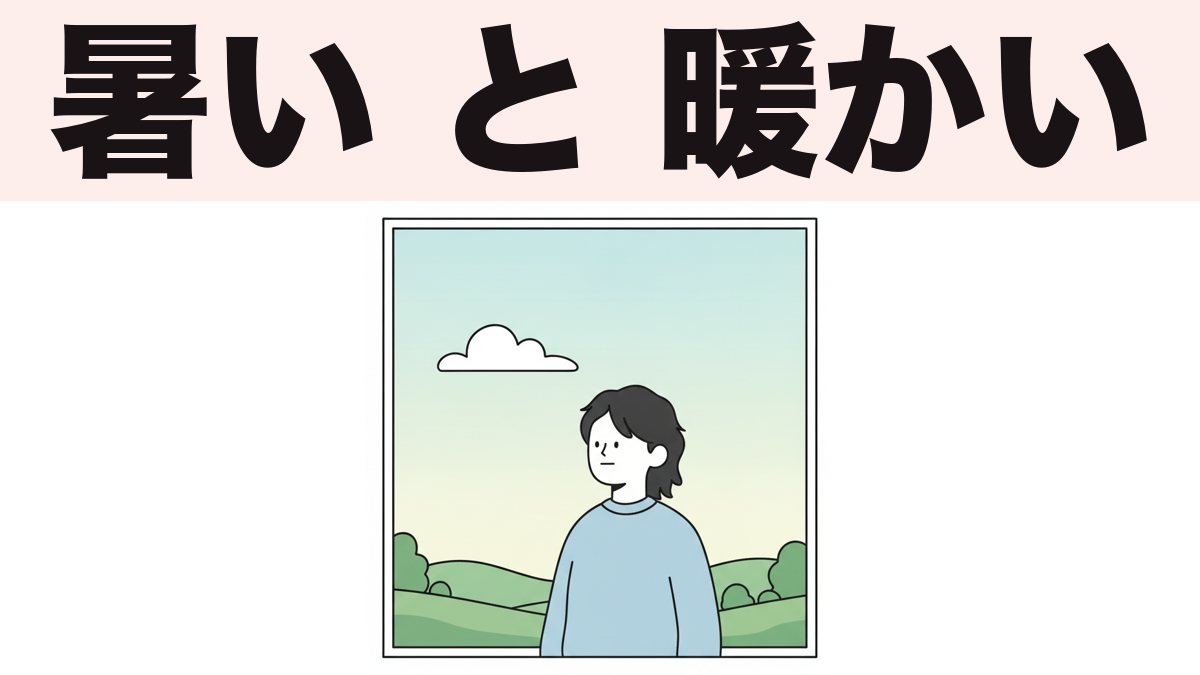
Talking about the weather in Japanese: 暑い vs 暖かい, and the small talk that always works
Learn Japanese weather and forecast vocabulary, distinguish hot atsui from warm atatakai, and use the weather to start an everyday conversation.
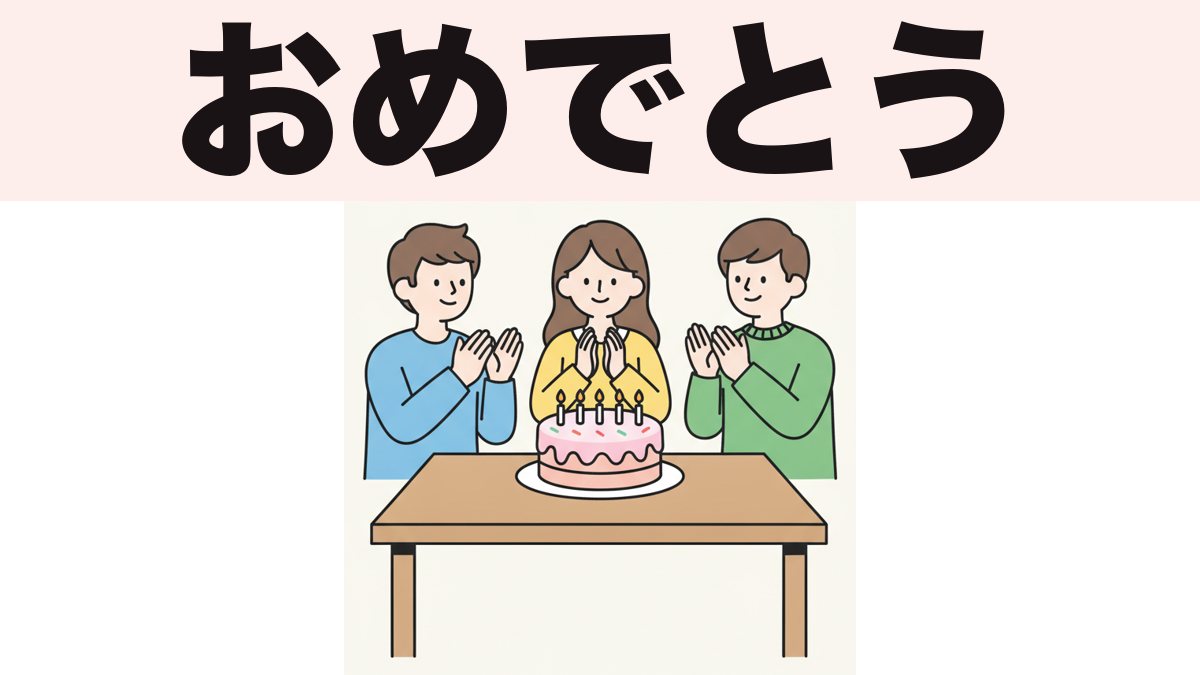
Congratulations in Japanese: おめでとう, and the one day you must not say it
Learn how to say congratulations in Japanese for birthdays, weddings, graduations, and New Year, plus casual forms and when to avoid them.
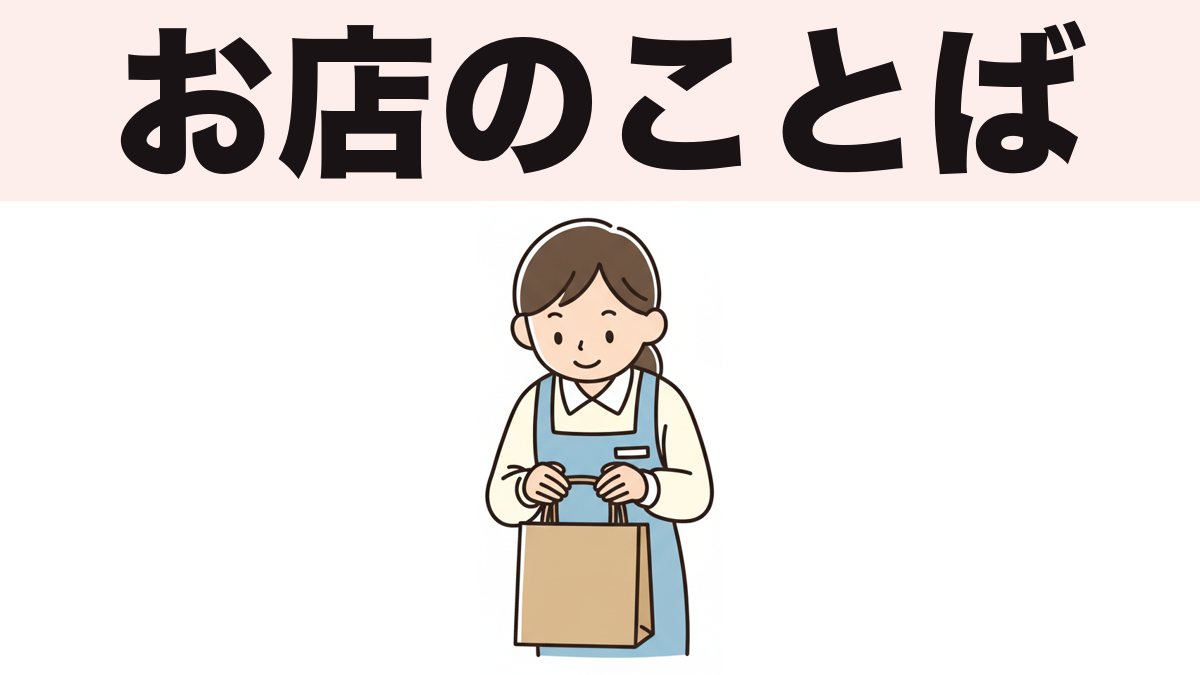
でございます: the です you hear in every Japanese shop, and what it is doing
でございます is the humble version of です. Here is when it is used, how it differs from ございます and いらっしゃいます, and why 〜になります on a coffee cup is a famous mistake.
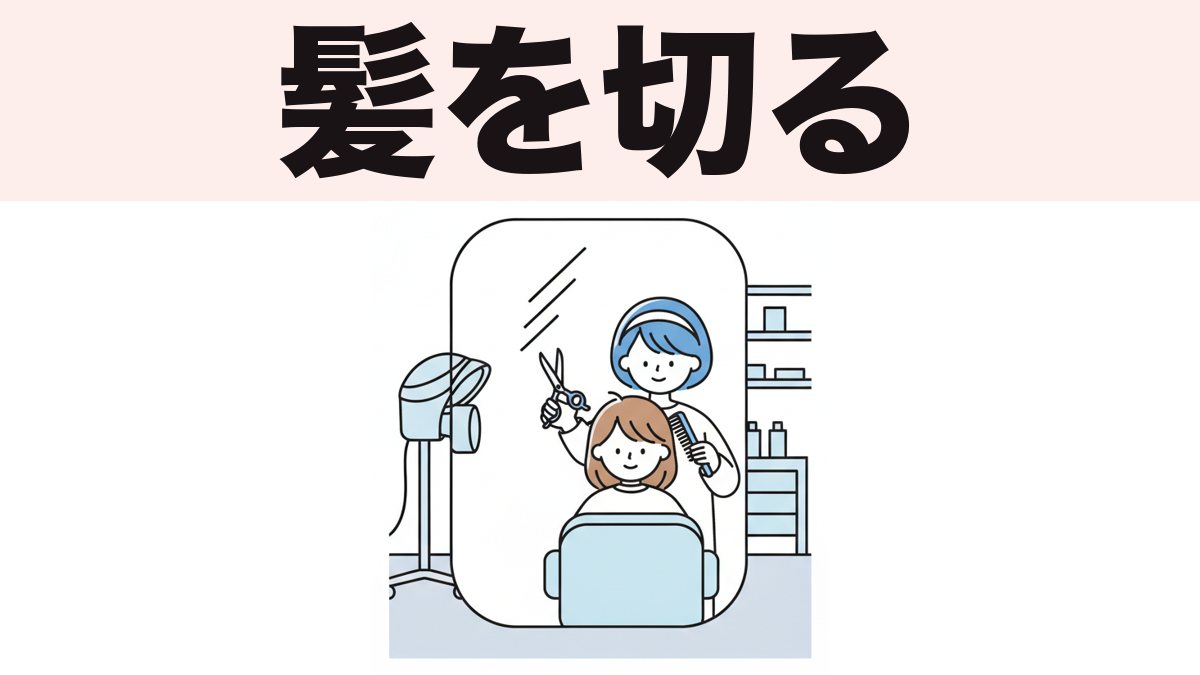
How to say "haircut" in Japanese: 切る, 刈る, 剃る and the sentence that means you did it yourself
Learn Japanese words for haircuts, trimming, and shaving, plus practical salon and barber phrases to explain how you want your hair cut.
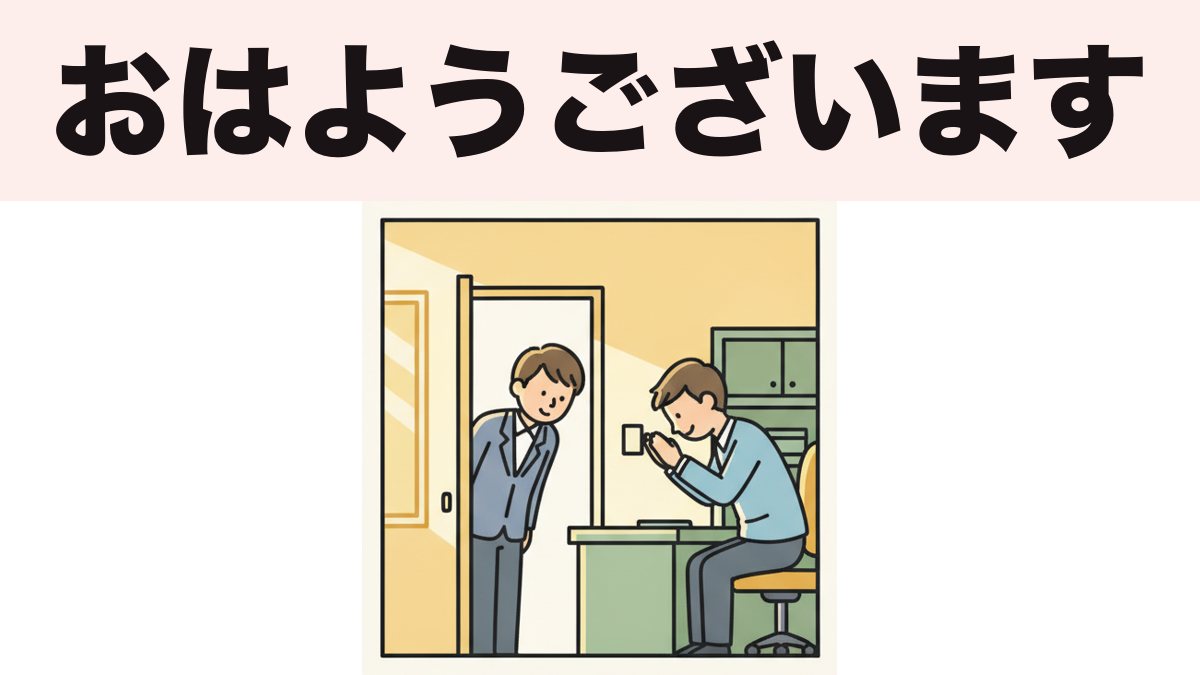
How to say hello in Japanese: こんにちは is not the default you think it is
Japanese greetings are chosen by time of day and relationship, and several have no English equivalent. Here is the full set — おはよう, こんにちは, お疲れ様, ただいま — and when each one fires.
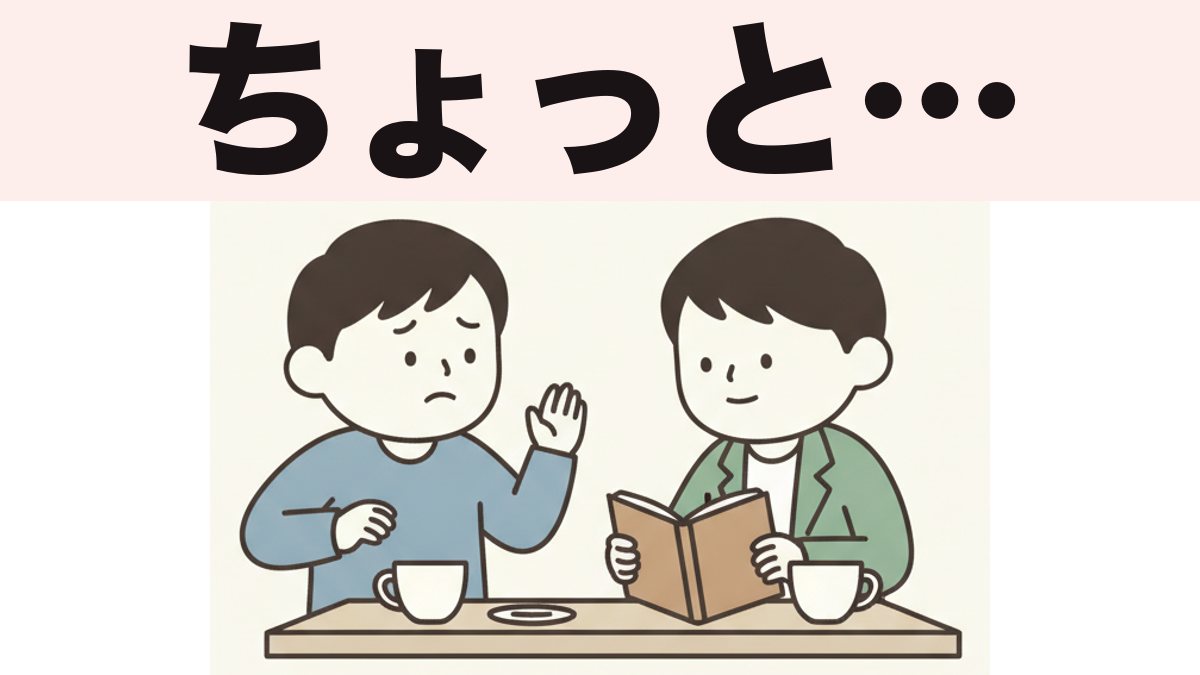
How to say no in Japanese: the word exists, and almost nobody uses it
いいえ is grammatically correct and socially rare. Here is how Japanese actually refuses — ちょっと, 大丈夫です, 難しいです — and how to hear a no that never contains the word.
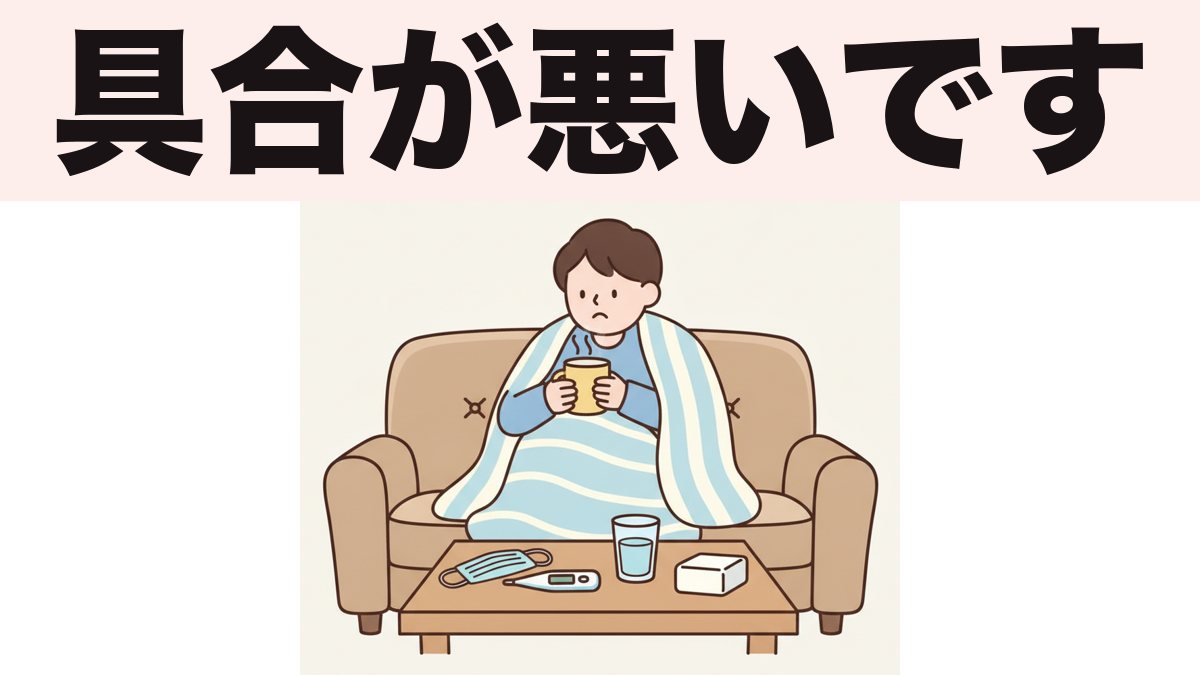
How to say "I'm sick" in Japanese — and why 病気です is usually the wrong one
Learn Japanese words for feeling sick, how to describe your symptoms, and practical phrases for telling your workplace you need a day off.
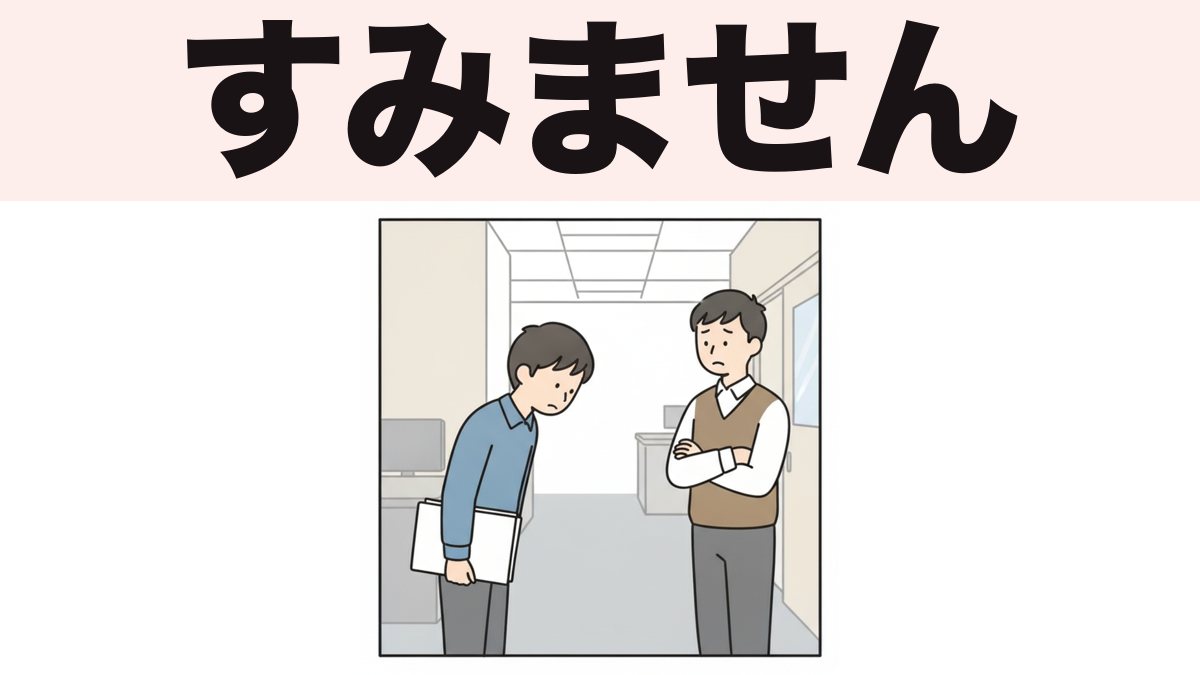
How to say sorry in Japanese: すみません, ごめん, 申し訳ありません and when each one fits
Japanese has a ladder of apologies, and すみません is only the middle rung. Here is which one to use, why すみません also means thank you, and how apologising works differently from English.
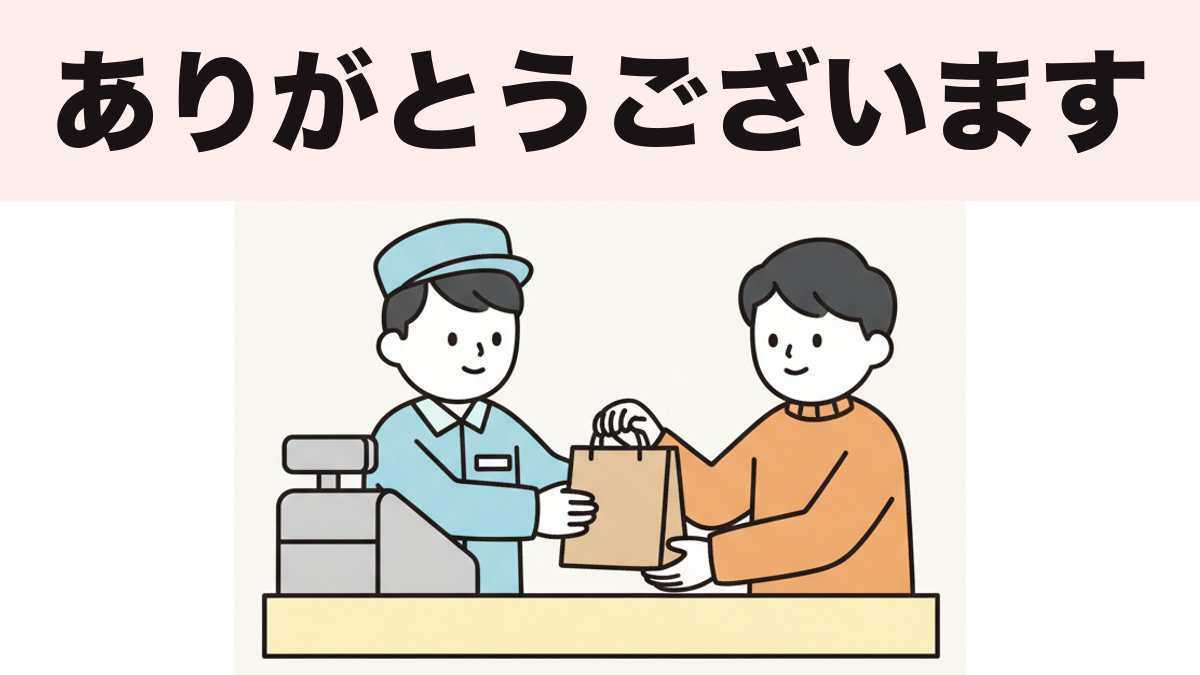
How to say thank you in Japanese: ありがとう, ございます, and the past tense that changes the meaning
ありがとうございます and ありがとうございました are not the same thank you — one is for now, one closes the whole thing. Here is the ladder, plus 助かりました, おかげさまで and what to reply.
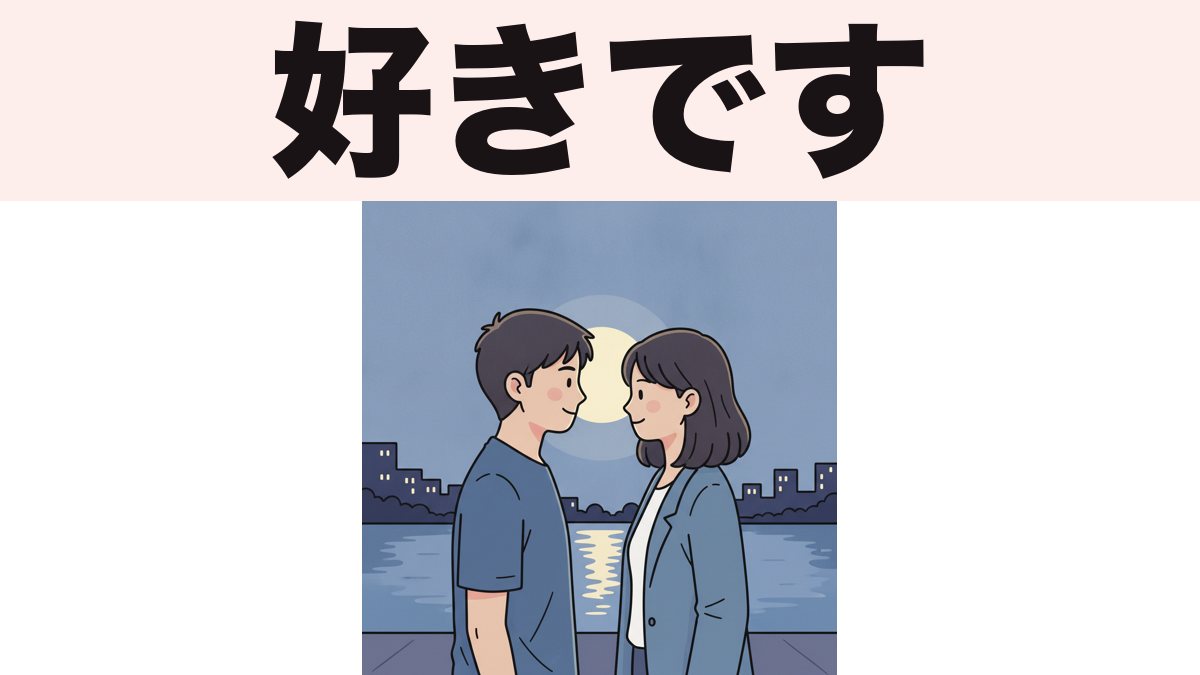
I love you in Japanese: 好き, 大好き, 愛してる and why the last one is almost never said
Learn why Japanese couples rarely say aishiteru, what suki communicates, why it uses ga, and how people express love in everyday conversation.
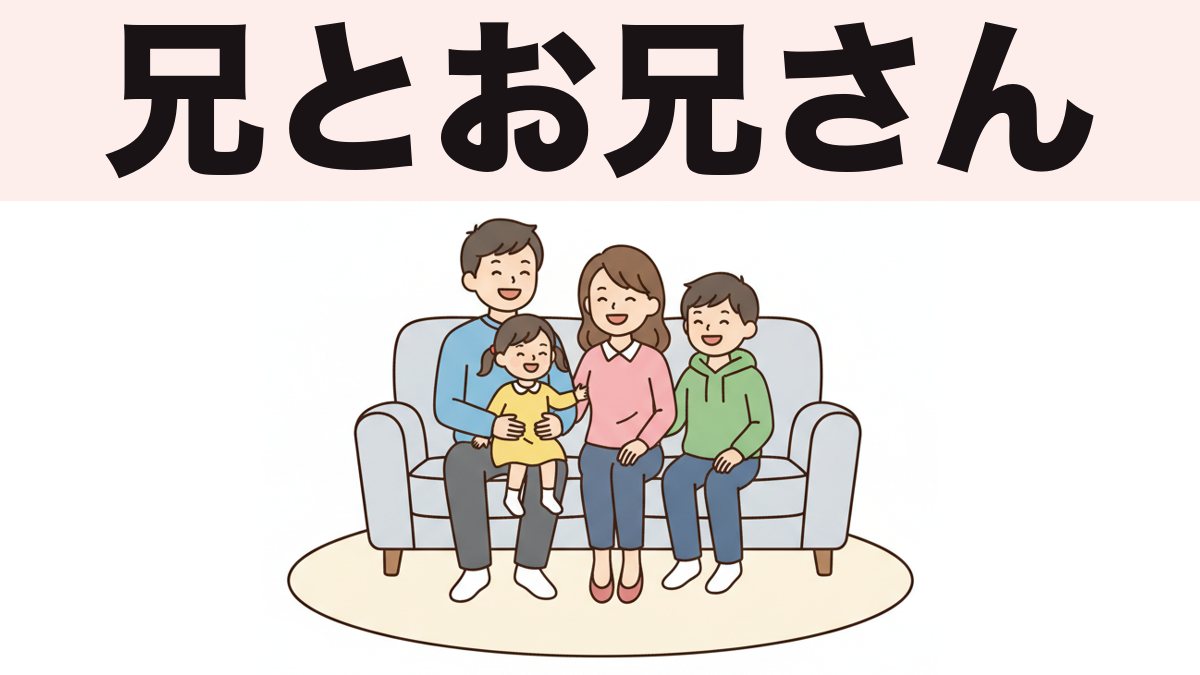
Japanese family words: why 兄 and お兄さん are the same brother
Learn Japanese family terms for your own relatives and those of others, how the uchi-soto rule works, and what to call family members directly.
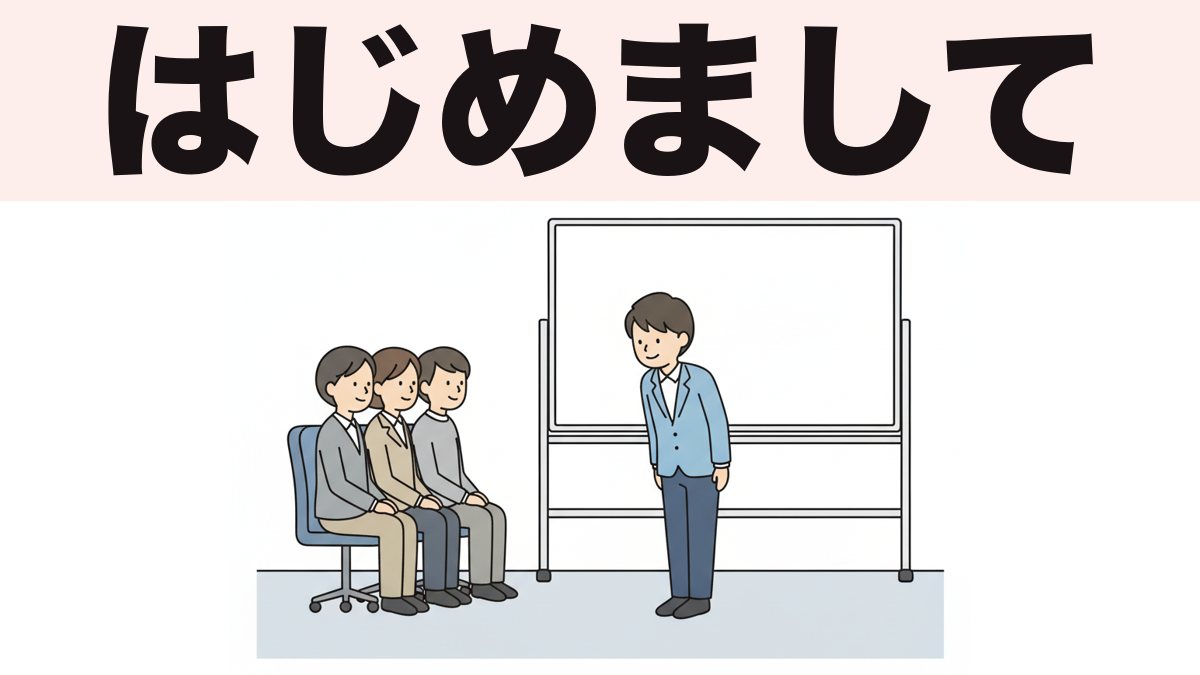
自己紹介: how to introduce yourself in Japanese without sounding like a textbook
Build a Japanese self-introduction with a greeting, name, origin, personal detail, and closing, then adapt the template for a job interview.
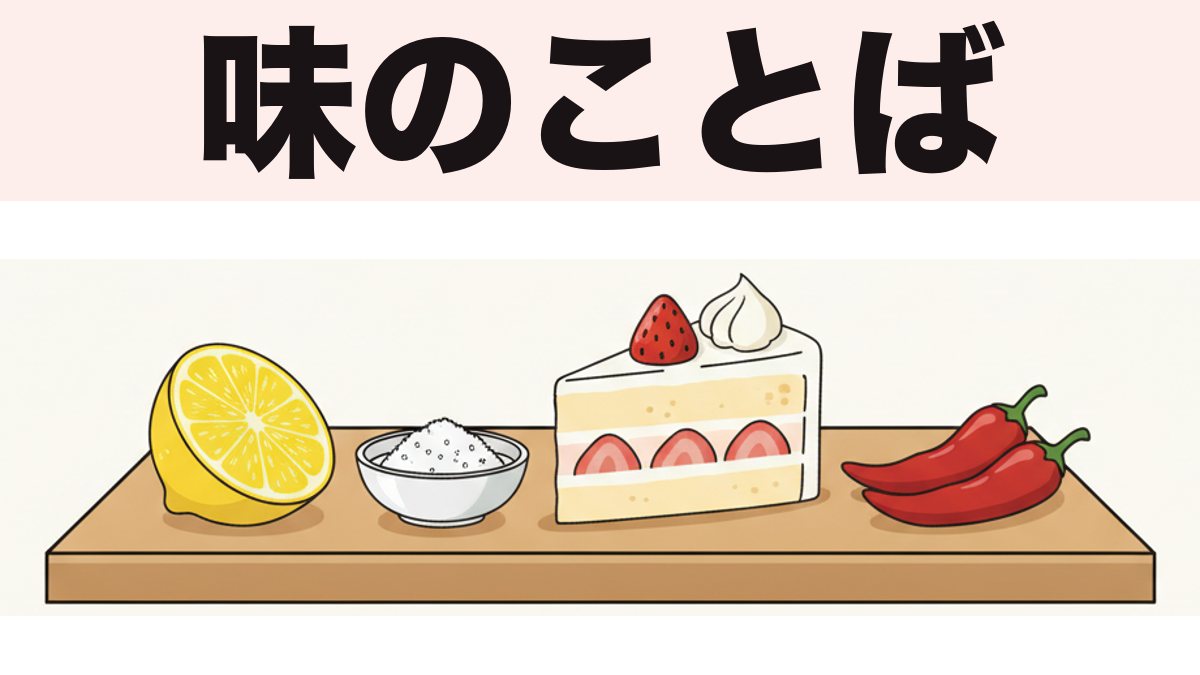
Japanese taste words: 甘い, 酸っぱい, しょっぱい and the ones that are not about flavour at all
Learn five basic Japanese taste adjectives, the meanings of karai, useful texture words, and polite ways to say that food does not taste good.
Days of the week and dates in Japanese — and the planets hiding in them
The seven weekday kanji are the same seven planets behind Tuesday and Saturday in English. Plus the irregular dates: ついたち, はつか, しがつ, くがつ.
How to ask "what does this mean?" in Japanese
どういう意味ですか asks what a word means, 何と言いますか asks how to say something, 何と読みますか asks how to read it. The six questions that keep a conversation going.
How to tell time in Japanese: 時, 分, and the readings that break
4時 is よじ, 9時 is くじ, and 3時 and 3時間 mean completely different things. The irregular readings, the に rule, and where 午前 goes.
Japanese counters: the six you need and the escape hatch for everything else
You cannot say "two beers" in Japanese without a counter. Learn つ, 人, 本, 枚, 個 and 杯, the sound changes that break them, and what to do when you forget one.
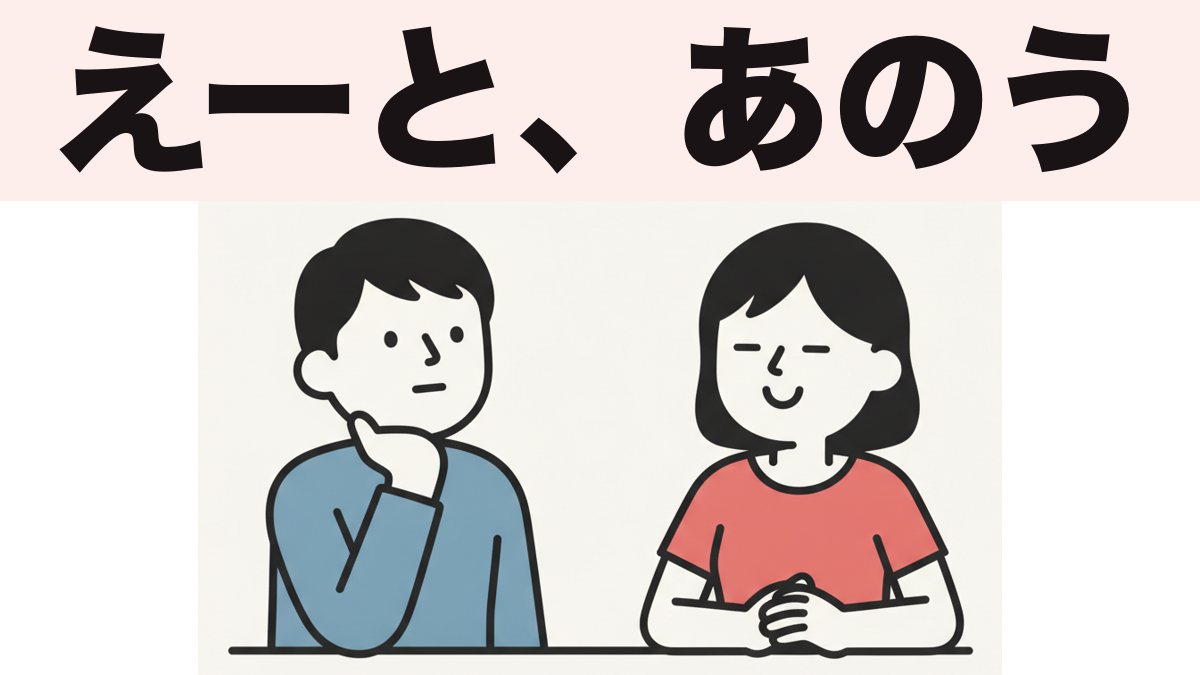
Japanese filler words: えーと, あの, なんか — and why silence is worse
えーと is thinking out loud, あの is aimed at the listener, なんか is "like". The fillers that buy you time, plus the あいづち that keep the other person talking.
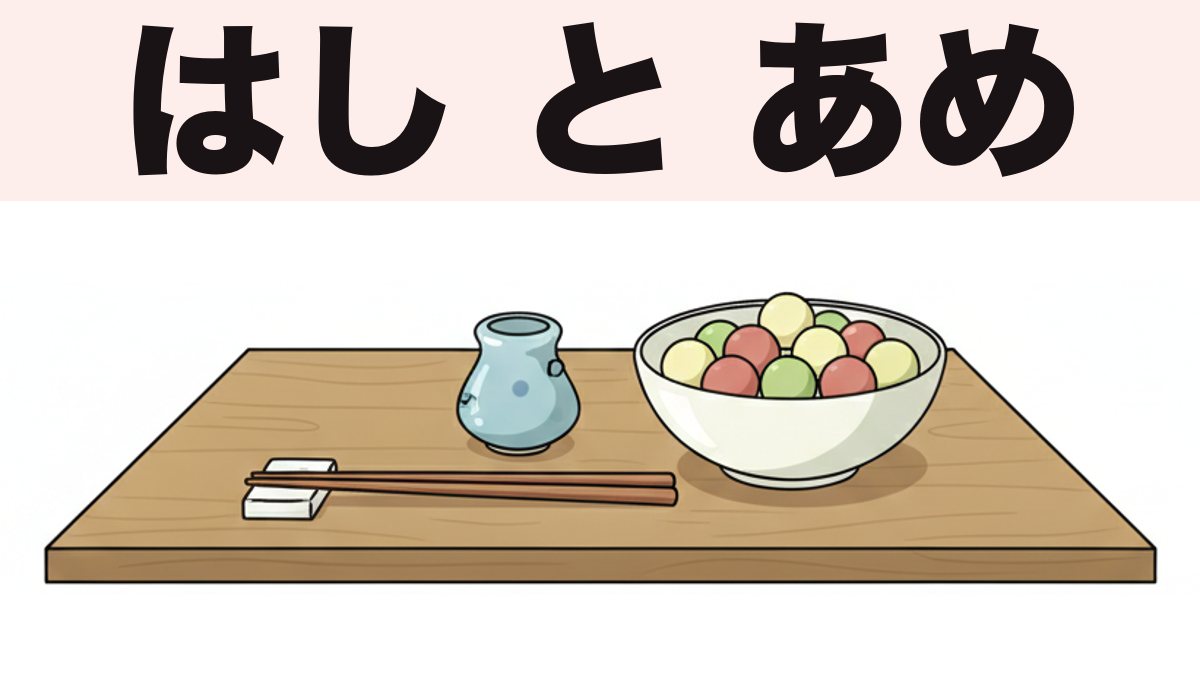
Japanese homophones: はし, あめ, かみ — and how anyone tells them apart
Japanese has many homophones because it has few sounds. Pitch separates some, kanji separates the rest, and speakers work around the ones that survive both.
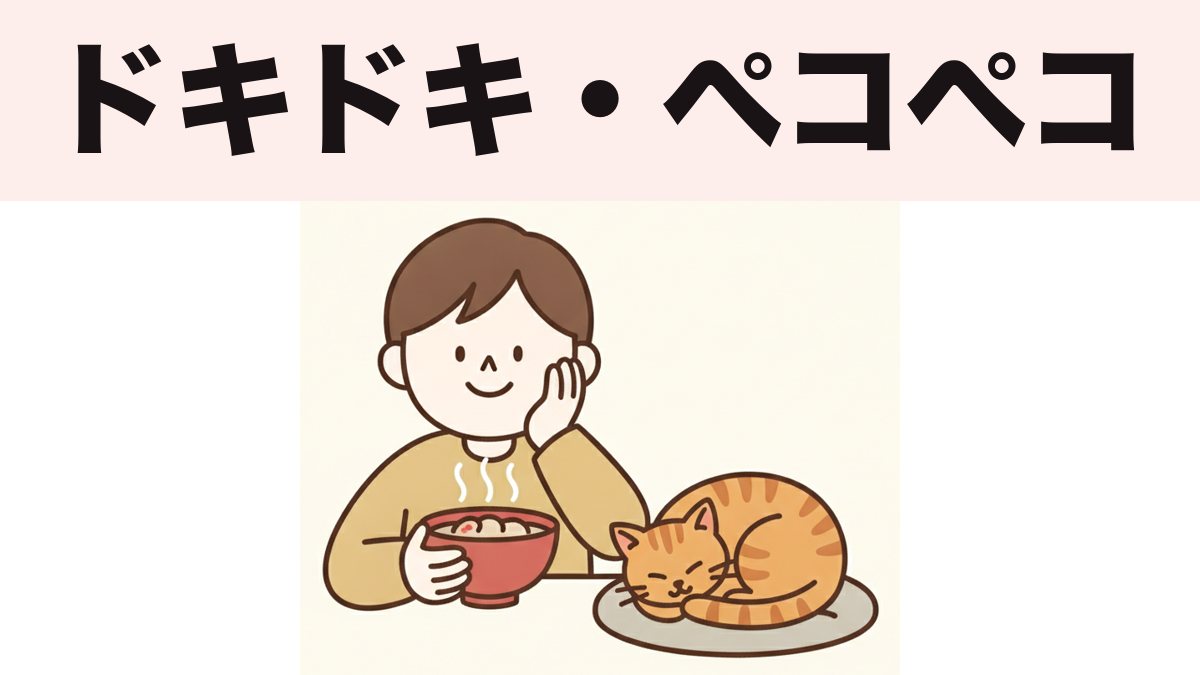
Japanese onomatopoeia: ドキドキ, ペコペコ, and the "sound" of silence
Japanese has words that imitate sounds and words that imitate states. ワクワク is not a noise, it is excitement — and adults use these constantly.
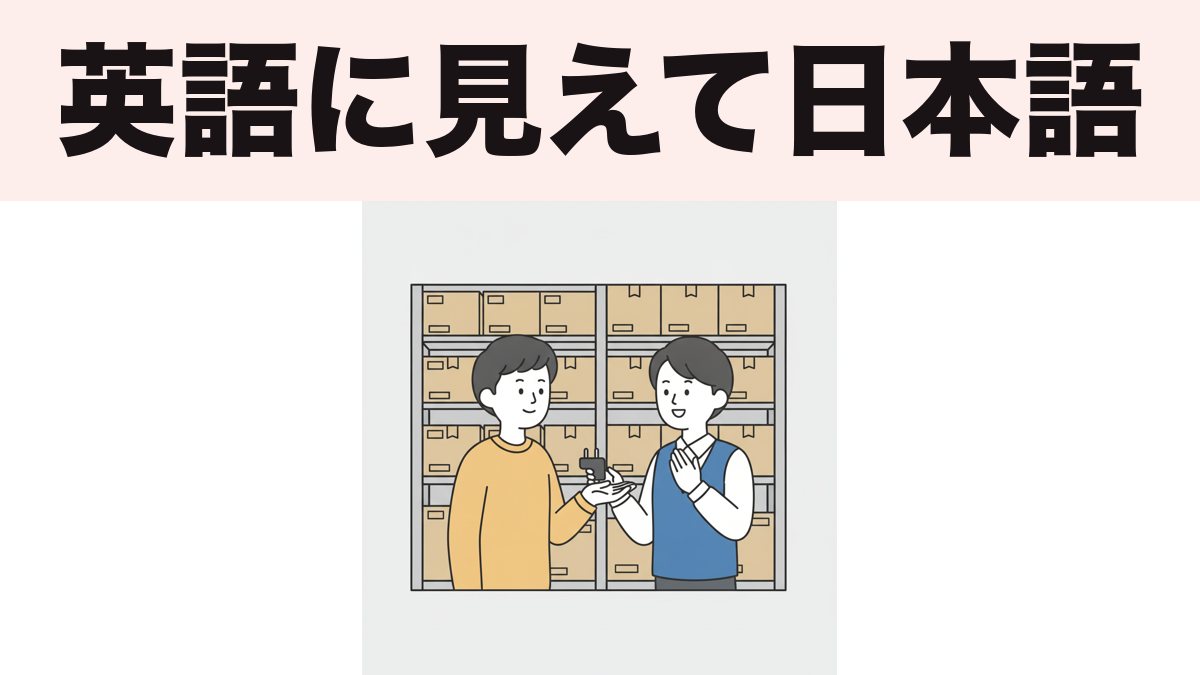
和製英語: the English words in Japanese that are not English
マンション is not a mansion and コンセント is not consent. A guide to 和製英語 — where these words come from, the four types, and why they are hardest for English speakers.
The two questions that keep a Japanese conversation alive
Learn two simple Japanese questions for asking about meaning and finding missing words, then practise using the answers to keep a conversation going.
Talking about your job in Japanese — the one particle that trips everyone
Learn to describe your job and workplace in Japanese, choose the right particle, and answer everyday work questions with clear examples.
Akihabara & otaku Japan
Otaku slang in Japanese: 推し, 尊い, 沼 and the words fandom actually runs on
Learn Japanese fandom slang such as oshi, toutoi, numa, and kamikai, with literal meanings and examples that help you use these words naturally.
Japanese shopping phrases: how do you ask for a price?
Ten Japanese shopping phrases for Akihabara: これ、いくらですか? (How much is this?), what staff will say to you, and the one question that finds the item you came for.
Anison bon-odori is going global — and Akihabara is the reason
Discover how anime songs bring bon-odori to overseas conventions, and learn useful Japanese for joining the dance and talking with other fans.
From the podcast
Shiritori: the rules of the Japanese word chain game
Shiritori is the word chain game every Japanese child knows. The rules take thirty seconds to learn, and the ん trap is what ends most games. Here is how it works and how to use it as practice.
Studying Japanese with anime: two traps to avoid
Anime is a good study material, and it has two specific failure modes: genres that teach you Japanese nobody says, and voice actors who are far easier to understand than real people. Here is how to avoid both.
Anime pilgrimage (seichi junrei): how to actually plan it
Plan an anime pilgrimage in Japan with useful Japanese phrases, realistic route planning, and respectful ways to visit real anime locations.
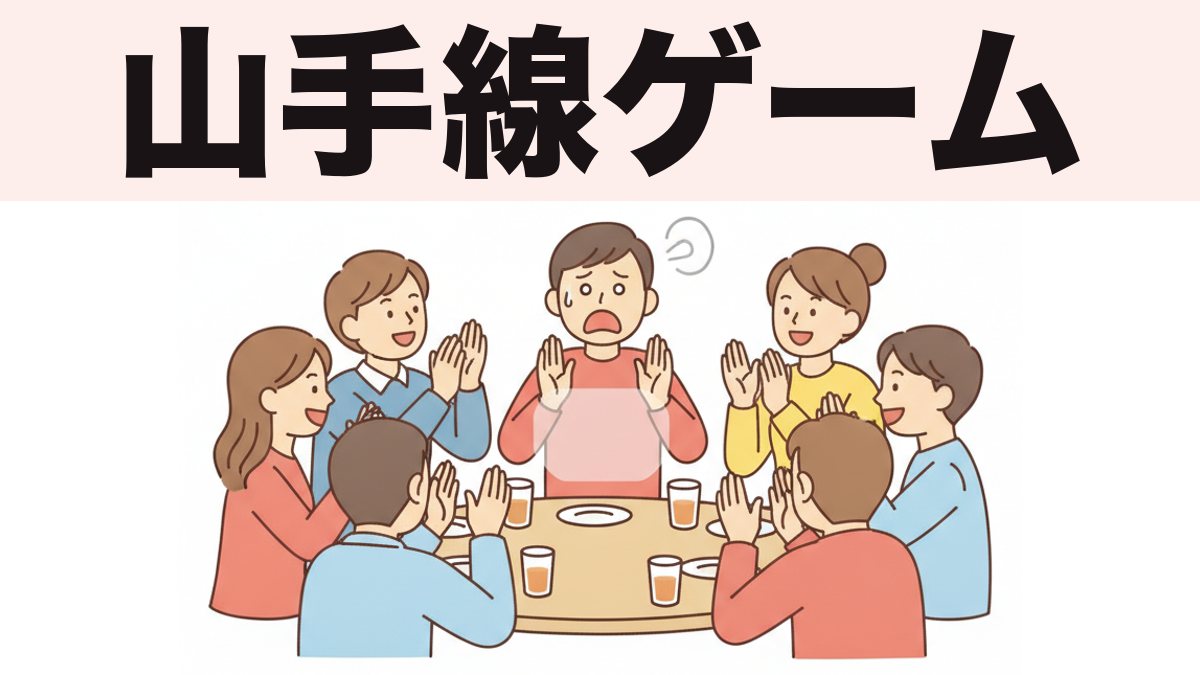
The Yamanote Line game: rules, rhythm, and how not to lose
Pick a category, clap to a rhythm, name something in that category on your beat. Miss the beat or run out of answers and you lose. Here are the rules, the rhythm, and why it is named after a train line.
Lesson notes
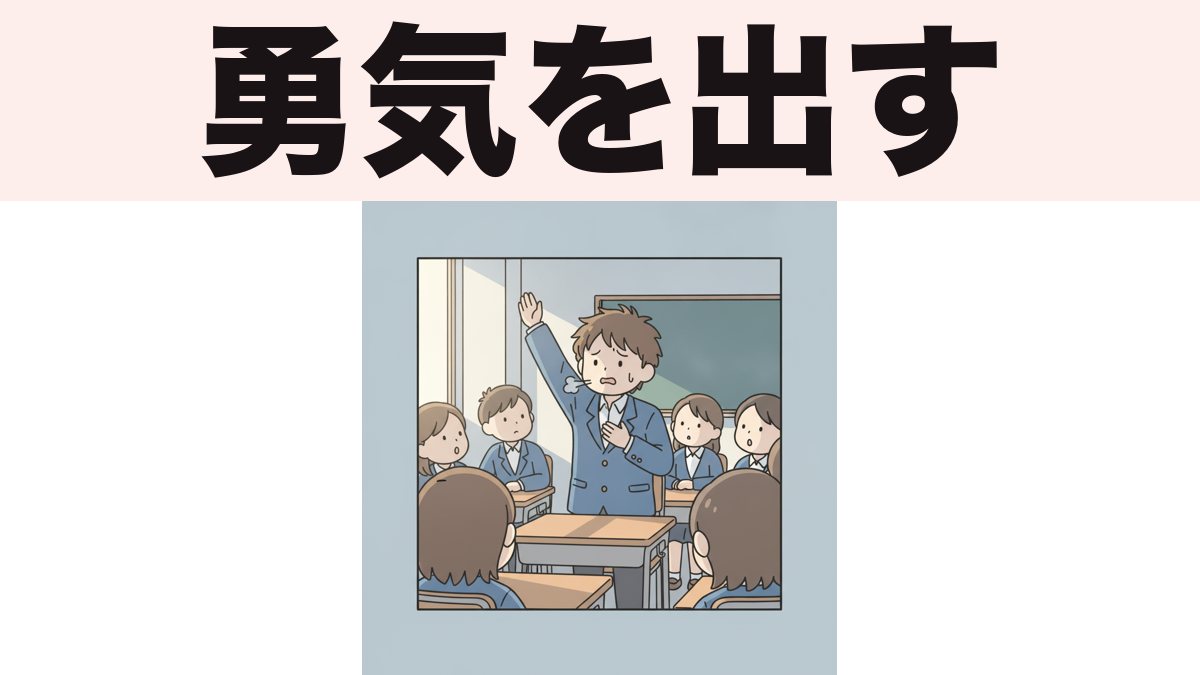
Courage in Japanese: 勇気 (yuuki) and the verbs that go with it
Courage in Japanese is 勇気 (yuuki). You 勇気を出す to find courage, and something 勇気が要る when it takes courage — not 勇気がかかる. Plus 度胸, 根性 and 勇者.
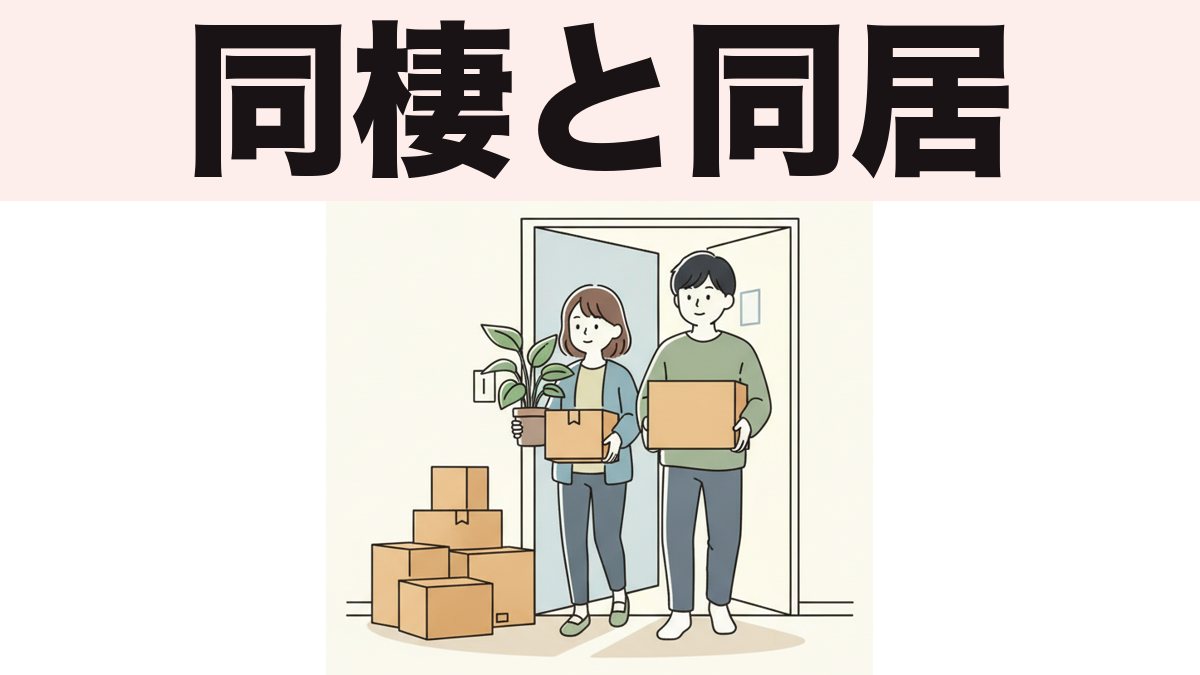
Dousei vs doukyo: how do you say "living together" in Japanese?
同棲 (dousei) is a couple living together before marriage; 同居 (doukyo) is sharing a home with family. How to pick the right word, and the neutral way to say it.
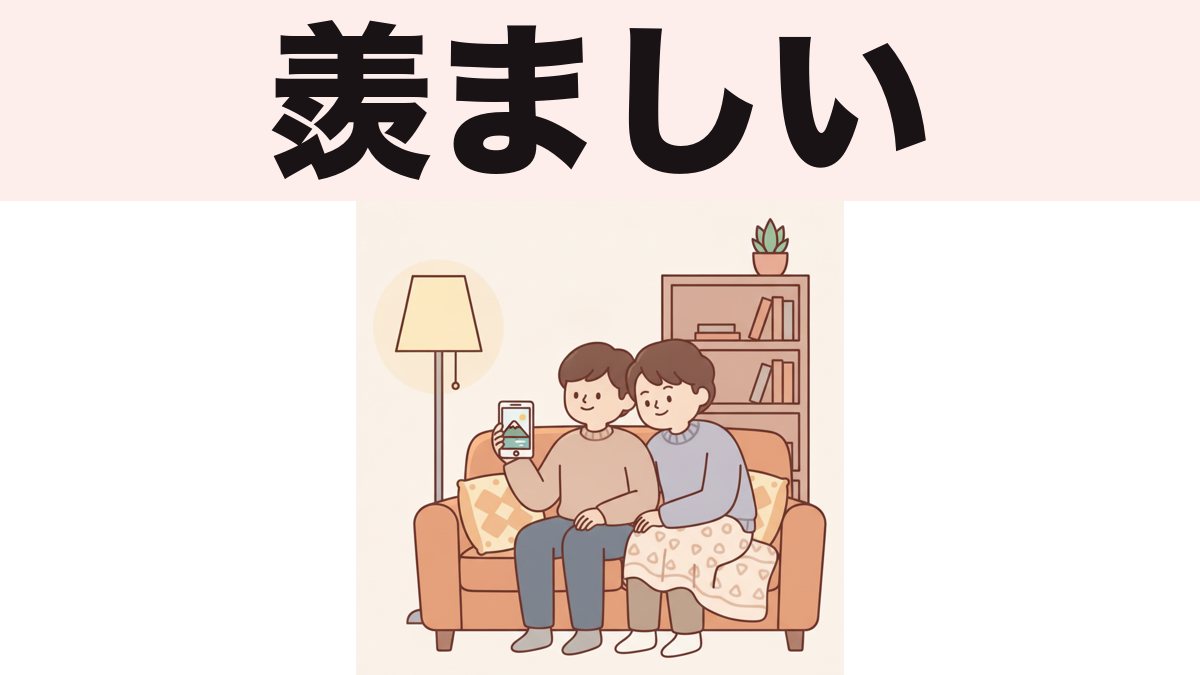
Jealous in Japanese: urayamashii, shitto or yakimochi?
羨ましい (urayamashii) is friendly envy, 嫉妬 (shitto) is real jealousy, and やきもち is jealousy in love. Which one to say, plus the slang うらやま and いいなあ.
Mushiro meaning: how does むしろ flip a sentence in Japanese?
むしろ (mushiro) means "rather" or "if anything": the opposite of what someone expected is closer to the truth. How to use it, and how it differs from かえって.
How to say "two days ago" and "in three days" in Japanese
Learn how Japanese names days before and after today, when to use counted forms, and why mixing the two systems can change the day you mean.
けど: "but" is only half its job — the other half is softening
Learn how kedo means but between Japanese clauses and softens requests, refusals, and introductions when it appears at the end of a sentence.
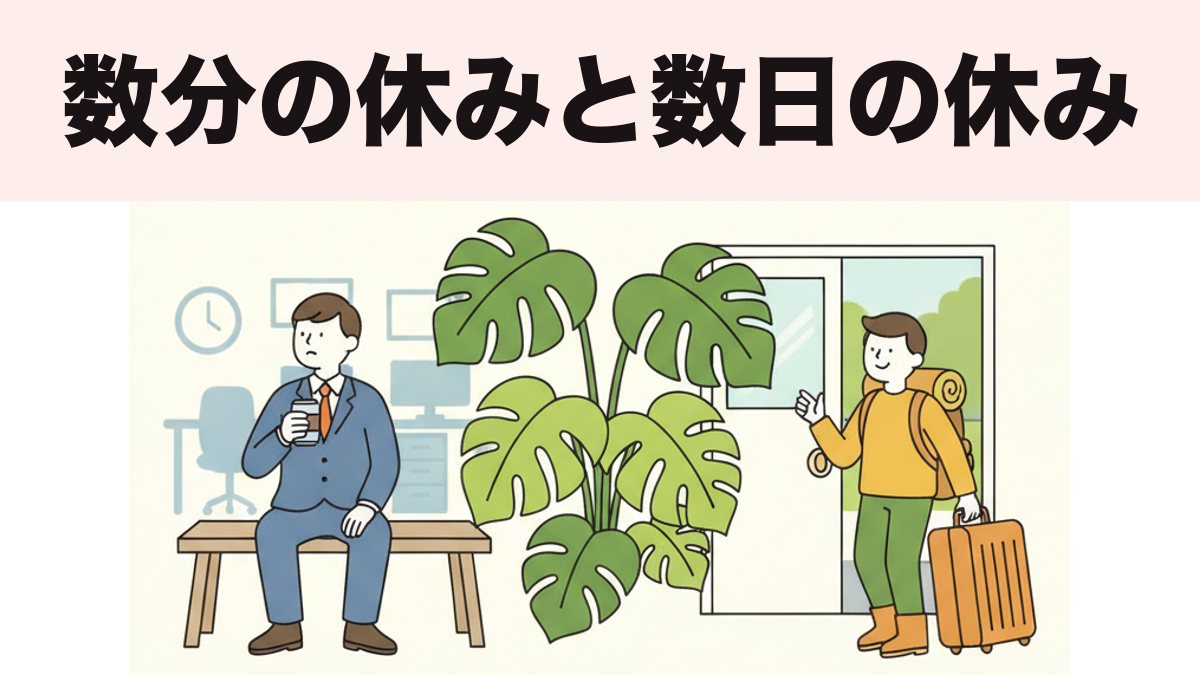
休憩, 休暇, 休み: three words for a break, and one of them is not a verb
Learn how kyuukei, kyuuka, and yasumi describe breaks and leave in Japanese, and why taking leave uses the verb toru instead of suru.
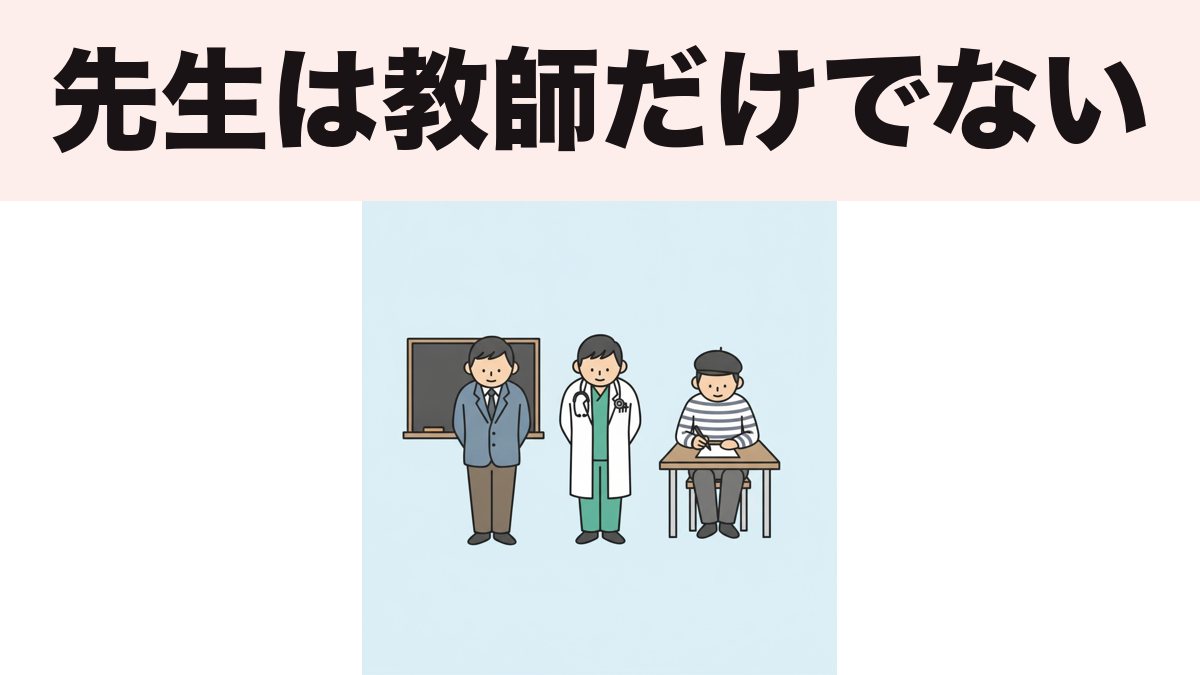
Sensei meaning: 先生 is not quite "teacher," and you never call yourself one
先生 literally means "born before" — someone further along a path. It covers doctors, lawyers, politicians and manga artists, works as a standalone form of address, and is the one title you cannot apply to yourself.
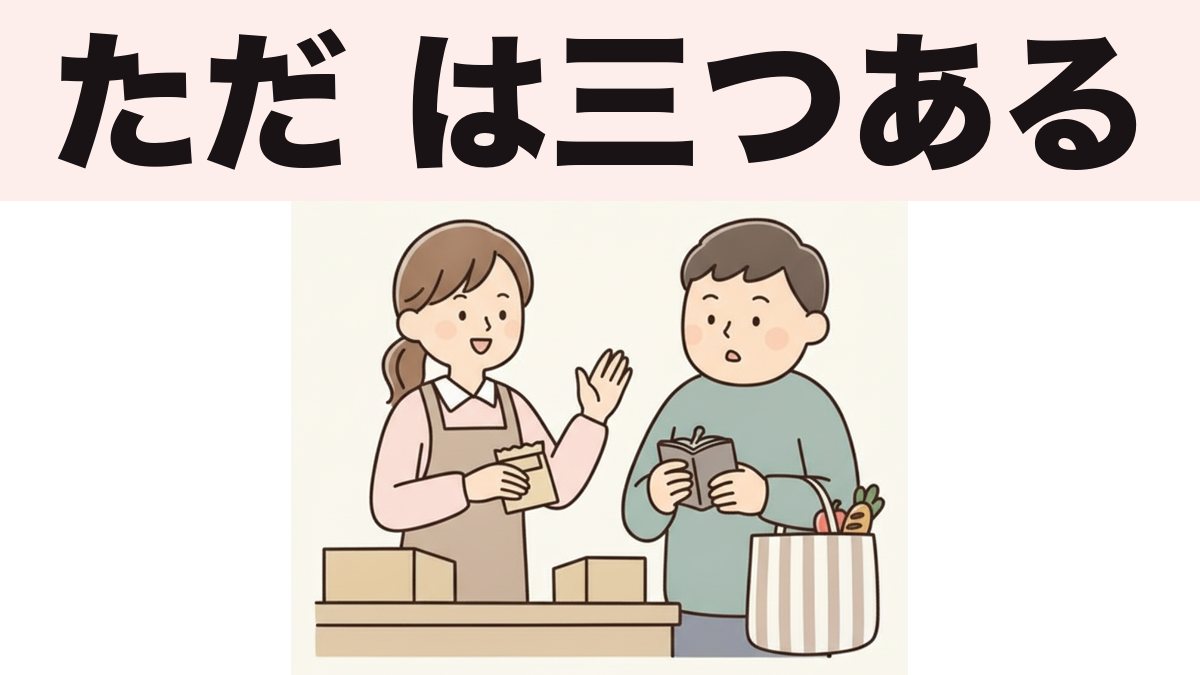
ただ: "free," "merely," and "but" — three words sharing one sound
Learn how tada can mean free of charge, nothing more than, or but in Japanese, and use its position in a sentence to work out the intended meaning.
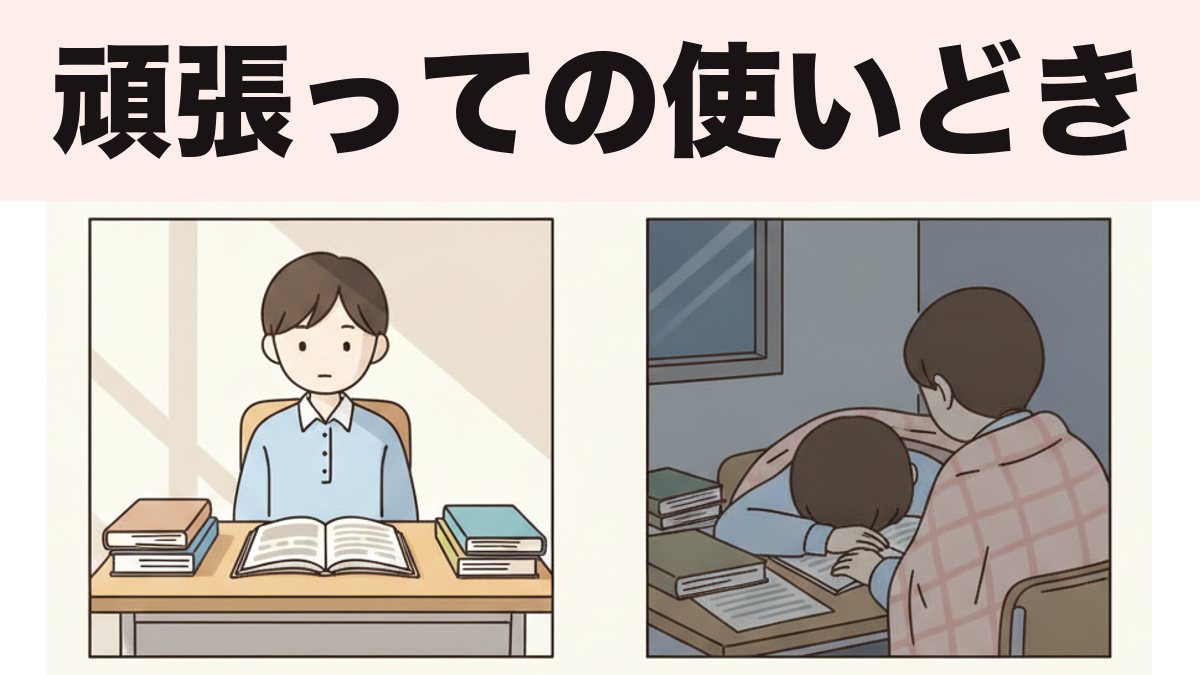
Ganbatte meaning: 頑張って, 頑張れ, and the one person you should not say it to
Learn how ganbatte and related forms encourage effort in Japanese, and what to say when someone is already trying as hard as they can.
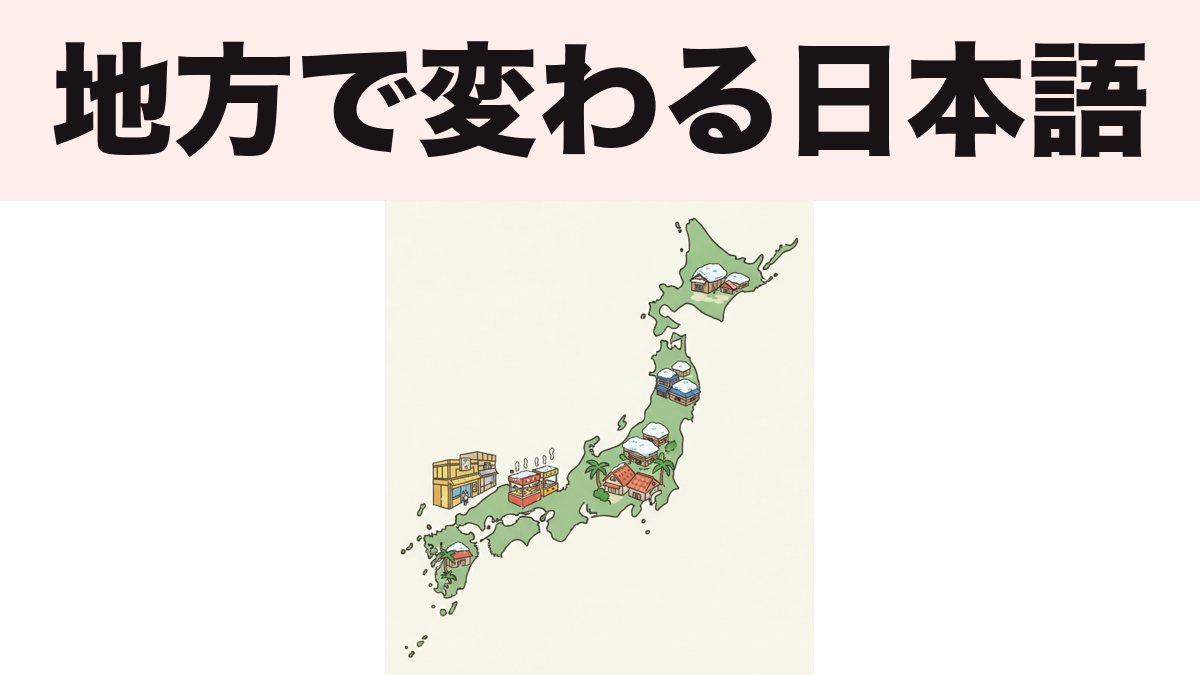
Japanese dialects: 関西弁, 博多弁, 津軽弁 — and why standard Japanese is only about 150 years old
Japanese has dialects that differ in copula, negation, vocabulary and pitch. Here is what 方言 actually changes, the features of the main regional groups, and why some of them get subtitles on Japanese TV.
Japanese duration counters: 時間, 日間, ヶ月 — and why 二月 is not "two months"
Learn how Japanese distinguishes clock times and calendar dates from durations, with counters for hours and months and tricky readings explained.
熟字訓: the kanji compounds whose reading is attached to the whole word
Discover how jukujikun gives a whole kanji compound one reading, why kyou is read as a unit, and how these readings differ from ateji in Japanese.
しかたがない and しょうがない: the Japanese shrug, and the two other things it does
Learn how shikata ga nai and shouganai express acceptance in Japanese, plus related patterns meaning there is no point or something is unbearable.
How to start reading in Japanese: 多読, graded readers, and the ふりがな shortcut nobody mentions
Extensive reading (多読) works by reading far below your ceiling without a dictionary. Here is how to pick a level, where to find free material, and the furigana editions that let you read a real novel years earlier than you think.
Getting started
How to type in Japanese: the IME, the space bar, and the っ nobody can find
Set up Japanese input on Mac, Windows, iPhone and Android, then learn the four keystrokes that trip everyone up: ん, っ, ー and choosing the right kanji.
How to write your name in Japanese: katakana, sound by sound
Foreign names go in katakana and follow the sound, not the spelling. How to convert your name, the rules that decide ー and ッ, and why kanji names are a trap.
JLPT levels explained: N5 to N1, the pass marks, and which one to take
What N5, N4, N3, N2 and N1 actually certify, the official pass marks and sectional minimums, and how to pick the level worth sitting — from a teacher who preps students for it.
Grammar that clicks
Japanese past tense: 〜ました, 〜た, and the form that is not about the past
How to make the Japanese past tense: ます→ました, the plain 〜た built from the te-form, the negative 〜ませんでした — and the た that means "it just happened".
Japanese plurals: 〜たち, 〜ら, 〜がた — and why 本 means both book and books
Japanese nouns do not mark number. What 〜たち, 〜ら, 〜がた and 〜ども actually do, why 本たち is wrong, and how 田中さんたち means "Tanaka and the others".
Japanese word order: the verb goes last, and the rest is negotiable
Japanese is subject-object-verb, but particles do the real work — so the middle of a sentence can be reordered freely. What must stay fixed, and why you must hear the end.
The particle を: the object marker that also means "through" and "out of"
を marks what a verb acts on — but it also marks the space you move through and the place you leave. Why it is written を and read "o", and when を becomes が.