ネタバレ: how to say "spoiler" in Japanese, and how to ask people not toネタバレ: 「spoiler」の日本語と、やめてほしいときの言い方
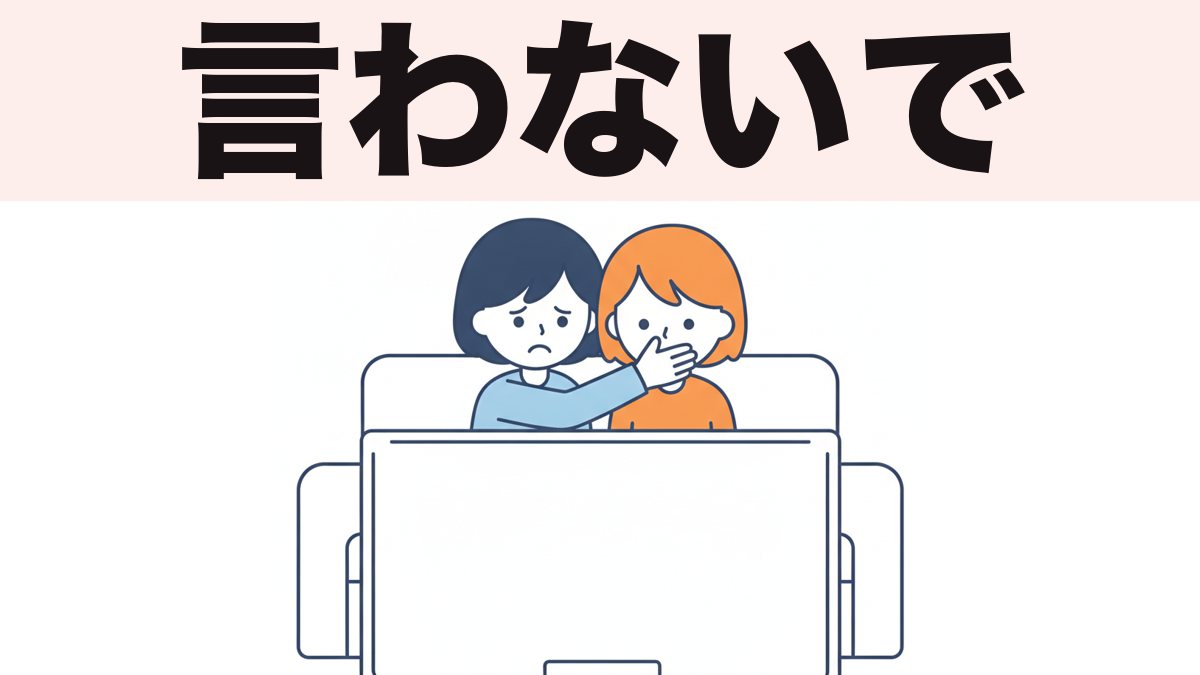
"Spoiler" in Japanese is ネタバレ — and it is a compound, not a loanword: ネタ (the material, the content) plus バレる (to leak out, to be found out).
英語の「spoiler」は日本語で「ネタバレ」です。外来語ではありません。「ネタ」(中身)+「バレる」(出てしまう)で、できた言葉です。
This is one of the most useful words on the Japanese internet and one of the least likely to appear in a textbook. If you follow Japanese fans of anything — anime, games, films, wrestling — you will meet ネタバレ within a day, usually in the phrase ネタバレ注意 at the top of a post. Here is how to read it, how to say it, and how to ask someone to stop.
The basics
What does ネタバレ actually mean?
Two parts:
- ネタ — the material, the content, the substance of something. It is 種 (たね, "seed") said backwards, a piece of old entertainment-industry slang that escaped into everyday speech.
- バレ — from バレる, "to leak out," "to be found out," "to come to light."
So ネタバレ is "the content got out." Not a euphemism, not a borrowing from English — a description of what happened.
ネタバレ注意。 — Spoiler warning. (the standard header, seen everywhere online) ネタバレやめて。 — Stop with the spoilers. (casual, to a friend)
How do you use it in a sentence?
ネタバレ is a noun, and it takes する to become a verb, like most compound nouns of this shape.
ネタバレしないでください。 — Please don't spoil it. (polite, the safe default) ネタバレしてもいい? — Is it okay if I spoil it? (casual, asking permission first)
That second one is built on 〜てもいいですか, the permission pattern covered in てもいいですか — worth noticing, because "may I spoil this" is a real question Japanese fans ask before they talk.
How do you say you got spoiled?
Here is where learners reliably slip. If someone spoiled it for you, the verb has to be passive — ネタバレされた — or you end up saying that you were the one doing the spoiling.
ネタバレされた。 — I got spoiled. (casual; someone did it to me) ネタバレした。 — I spoiled it. (casual; I did it to someone else)
The passive is doing all the work there. If 〜される still feels unstable, the passive form is the page that fixes this, and this is one of the most everyday reasons to get it right.
There is also a stronger, very colloquial version: ネタバレを食らった, literally "I took a spoiler" — 食らう is "to receive a blow." It sounds like being hit by something, which is roughly the intent.
The warning labels you will see
Japanese posts label spoilers rather than hiding them, and the labels are formulaic enough to learn as fixed phrases.
※ネタバレを含みます。 — Contains spoilers. (neutral, written) ネタバレ厳禁。 — Absolutely no spoilers. (strong, written; 厳禁 = strictly forbidden)
Reading 厳禁 (げんきん) is worth the effort on its own — you will meet it on signs for things far more serious than plot twists.
Beyond the basics
ネタ on its own is a much bigger word
Strip off the バレ and ネタ is everywhere. It means the material something is made of, in a loose sense that shifts with context:
- 元ネタ (もとネタ) — the original source of a reference or parody. Anime fans use this constantly: "what's the 元ネタ of that scene?"
- ネタバレ — the content leaked.
- ネタにする — to make something into material, i.e. to joke about it.
- すべりネタ — a joke that failed to land.
この場面の元ネタは何ですか。 — What's the original reference for this scene? (polite, a genuinely useful question)
The comedy sense and the plot sense are the same word. A comedian's ネタ is their routine; a series' ネタ is what it is made of.
バレる on its own is just as useful
バレる means a hidden thing came to light, and it is casual, everyday, slightly unwelcome in tone.
嘘がバレた。 — The lie came out. (casual; nobody is pleased) サボってたのがバレた。 — They found out I was slacking off. (casual)
It is intransitive: the thing leaks, by itself, grammatically speaking. The transitive partner is バラす — "to let something out," to blow it. 秘密をバラす is to spill the secret; 秘密がバレる is the secret getting out. That pairing is one small instance of a system that runs through the whole language, laid out in transitive and intransitive verbs.
The fandom words that sit next to it
Once you are reading Japanese fan posts, ネタバレ comes surrounded by a small vocabulary that no textbook lists:
- 未視聴 (みしちょう) — not yet watched. The word for someone you must not spoil.
- 履修 (りしゅう) — literally "to take a course." Fans use it for having watched or read a work: 履修済み means "I've done it."
- 原作 (げんさく) — the original work, usually the manga or novel behind the anime.
- アニメ組 / 原作組 (〜ぐみ) — the "anime team" and the "original-work team": people following only the anime, versus people who have read ahead. This distinction exists almost entirely so that the second group can avoid spoiling the first.
- 考察 (こうさつ) — analysis, theorising. Not a spoiler, but constantly labelled alongside them, because a good theory can function as one.
原作組なので、何も言えません。 — I've read the original, so I can't say anything. (casual-polite; a very common disclaimer)
If you enjoy this end of the vocabulary, otaku slang covers more of the same register.
How spoiler etiquette actually works in Japanese fandom
Two conventions matter in practice. First, the warning goes at the top, and it is expected — posting a twist unlabelled reads as careless rather than edgy. Second, blank space or a "read more" fold does the hiding, since Japanese social posts often push the spoiler well below a wall of line breaks rather than using a blur.
The word 匂わせ (においわせ, "hinting," literally "making it smell") is the one for the annoying middle ground: not stating the twist, but making it obvious that you know something. It is not a compliment.
Is スポイラー ever used?
Rarely, and usually by people writing for an international audience. Japanese already had a perfectly good word before English-language fandom needed one, so the loanword never took hold. If you say スポイラー to a Japanese fan, you may well be understood and then answered with ネタバレ. This is the normal fate of an English word that arrives where a native one is already comfortable — the opposite case, where English words arrive and mutate, is wasei-eigo.
Common mistakes
- Saying ネタバレした when you were the victim. That says you spoiled it for someone else. The passive ネタバレされた is what you want.
- Treating ネタバレ as a verb by itself. It is a noun. Add する — ネタバレする — or use it attributively with の: ネタバレの記事, a spoiler article.
- Reaching for スポイラー. Understood at best, unnatural at worst. ネタバレ is the word.
- Using ネタバレ注意 in speech. It is a written label. Out loud, people say ネタバレあるけど大丈夫? ("there are spoilers, is that okay?") — full sentences, not headers.
- Assuming ネタ always means spoiler. On its own it means material or content, and 元ネタ — the source of a reference — is a completely different question from a spoiler.
The words, and where you meet them
| Word | Reading | Means | Where you see it |
|---|---|---|---|
| ネタバレ | ねたばれ | Spoiler | Post titles, video titles, thread headers |
| ネタバレ注意 | ねたばれちゅうい | Spoiler warning | The standard header |
| ネタバレ厳禁 | ねたばれげんきん | Absolutely no spoilers | Community rules |
| 元ネタ | もとネタ | The original reference | Discussion of parodies and homages |
| 未視聴 | みしちょう | Not yet watched | "Please don't spoil me" posts |
| 履修 | りしゅう | Having watched or read it | Fan shorthand, half-joking |
| 原作 | げんさく | The original manga or novel | Everywhere in adaptation talk |
| 原作組 | げんさくぐみ | People who read the original | Self-identification before commenting |
| 考察 | こうさつ | Theorising, analysis | Video and article titles |
| 匂わせ | においわせ | Hinting that you know | A complaint, not a compliment |
FAQ
Is ネタバレ slang or standard Japanese? It began as industry slang and is now ordinary vocabulary. News sites, streaming services and publishers all use it in official copy. You can write ネタバレ注意 anywhere without sounding juvenile.
How do I politely ask someone not to spoil something? まだ見てないので、ネタバレしないでください — "I haven't watched it yet, so please don't spoil it." Leading with the reason rather than the request is the natural order, and it keeps the whole thing from landing as an order.
What is the difference between ネタバレ and 考察? 考察 is theorising from what has aired; ネタバレ is revealing what has already happened further ahead. Japanese fans separate them carefully, though 考察 videos frequently carry a spoiler warning anyway, because good analysis and revelation are hard to keep apart.
Can ネタバレ refer to non-fiction? Yes. Sports results, reality shows, competition outcomes — anything someone might be watching on delay. スポーツのネタバレ is a completely normal phrase during a tournament.
Why is it written in katakana? ネタ is slang and バレる is casual, and katakana marks both as colloquial. You may also see 寝たばれ as a typo or a joke, and 種明かし (たねあかし, "revealing the trick") in more literary writing, which is the closest formal relative.
Practice
Work each one out before opening it. Questions 1 and 2 are a pair — the difference is who did what to whom.
1. Say "I got spoiled."
Show answer
ネタバレされた — the passive. Someone did it to you. This is the pair to question 2.
2. Say "I spoiled it (for someone)."
Show answer
ネタバレした — plain する, so you are the one who did it. This is the pair to question 1.
3. Something is wrong here: ネタバレました。
Show answer
ネタバレしました — ネタバレ is a noun, so it needs する to become a verb. It does not conjugate on its own.
4. Write the standard spoiler warning you would put at the top of a post.
Show answer
ネタバレ注意 — 注意 is "caution." For a stronger community rule, ネタバレ厳禁, "strictly forbidden."
5. Politely ask someone not to spoil a show you have not seen yet.
Show answer
まだ見てないので、ネタバレしないでください — the reason comes first, then the request. That order is what keeps it from sounding like an order.
6. Ask what the original reference for a scene is.
Show answer
この場面の元ネタは何ですか — 元ネタ is the source being referenced, which is a different question from a spoiler.
7. What does 原作組 mean, and why would someone say it about themselves?
Show answer
"I've read the original work" — people declare it before commenting, as a warning that they know what happens next and will be keeping quiet.
8. Say "The lie came out."
Show answer
嘘がバレた — バレる is intransitive: the thing comes to light by itself. To say someone let it out, it would be 嘘をバラした.
9. Ask a friend, casually, whether it is okay if you spoil something.
Show answer
ネタバレしてもいい? — the てもいい permission pattern, with ですか dropped for a friend.
10. What does 匂わせ describe?
Show answer
Hinting that you know something without saying it — literally "making it smell." It is a complaint about someone's behaviour, never praise.
Vocabulary from this article
Tap the block to select all of it, then copy. In Anki: File → Import, note type Basic, separator Tab — the first column becomes the front, the second the back.
ネタバレ	ねたばれ — spoiler
ネタ	ねた — material, content, subject matter
元ネタ	もとねた — the original reference or source
バレる	ばれる — to leak out, to be found out
バラす	ばらす — to let out, to reveal (something)
注意	ちゅうい — caution, warning
厳禁	げんきん — strictly forbidden
含む	ふくむ — to contain, to include
未視聴	みしちょう — not yet watched
履修	りしゅう — having taken (a course); fan slang for having watched
原作	げんさく — the original work
考察	こうさつ — analysis, theorising
場面	ばめん — scene
嘘	うそ — lie
秘密	ひみつ — secret
食らう	くらう — to receive (a blow), to take
見る	みる — to watch, to see
言う	いう — to say
I'm Yuuki, a Japanese teacher based in Tokyo. I've taught on italki as a Top 1% teacher and watched over 1,500 anime, which means I have been on both sides of ネタバレされた more times than I would like. It is also the first word I teach anyone who wants to read Japanese fan communities, because without it you cannot tell which posts are safe to open.
Sources: the author's own lessons and standard reference grammars.
これは、日本のインターネットでとてもよく使う言葉です。でも教科書にはあまり出ません。日本のファンの投こうを読むと、すぐに「ネタバレ注意」が出てきます。ここでは、読み方と、言い方と、「やめて」のたのみ方を説明します。
基本
「ネタバレ」の意味
2つの部分でできています。
- ネタ — 中身、材りょう。「種(たね)」を後ろから読んだ言葉です。
- バレ — 「バレる」から。かくれていたことが、出てしまうことです。
だから「ネタバレ」は「中身が出てしまった」です。
ネタバレ注意。 — Spoiler warning. (the standard header, seen everywhere online) ネタバレやめて。 — Stop with the spoilers. (casual, to a friend)
文の中での使い方
「ネタバレ」は名詞です。「する」をつけると動詞になります。
ネタバレしないでください。 — Please don't spoil it. (polite, the safe default) ネタバレしてもいい? — Is it okay if I spoil it? (casual, asking permission first)
「された」と「した」
ここでまちがえる人が多いです。自分がネタバレされたときは、受身の形を使います。
ネタバレされた。 — I got spoiled. (casual; someone did it to me) ネタバレした。 — I spoiled it. (casual; I did it to someone else)
「ネタバレした」と言うと、「自分が人に言ってしまった」という意味になります。
もっとくだけた言い方に「ネタバレを食らった」があります。「食らう」は、なぐられる、という意味です。
よく見る注意書き
※ネタバレを含みます。 — Contains spoilers. (neutral, written) ネタバレ厳禁。 — Absolutely no spoilers. (strong, written; 厳禁 = strictly forbidden)
「厳禁(げんきん)」はおぼえる価値があります。もっと大事な看板にも出ます。
もう少し先へ
「ネタ」だけでも、よく使います
- 元ネタ(もとネタ) — もとになった作品や場面。
- ネタにする — 話のたねにする、じょうだんにする。
- すべりネタ — わらってもらえなかったじょうだん。
この場面の元ネタは何ですか。 — What's the original reference for this scene? (polite, a genuinely useful question)
「バレる」だけでも、よく使います
「バレる」は、かくしていたことが出てしまうことです。
嘘がバレた。 — The lie came out. (casual; nobody is pleased) サボってたのがバレた。 — They found out I was slacking off. (casual)
「バレる」は自動詞です。人が出すときは「バラす」を使います。「秘密をバラす」と「秘密がバレる」は、組になっています。
ファンの言葉
- 未視聴(みしちょう) — まだ見ていない。
- 履修(りしゅう) — 本当は「授業を取る」ですが、ファンは「もう見た」の意味で使います。
- 原作(げんさく) — もとのマンガや小説。
- アニメ組 / 原作組 — アニメだけ見ている人と、原作を読んだ人。
- 考察(こうさつ) — 分せき、予想。
原作組なので、何も言えません。 — I've read the original, so I can't say anything. (casual-polite; a very common disclaimer)
日本のファンのマナー
注意書きは、いちばん上に書きます。書かないで大事な場面を言う人は、「こまる人」だと思われます。
「匂わせ(においわせ)」という言葉もあります。はっきり言わないで、「自分は知っている」と見せることです。ほめ言葉ではありません。
「スポイラー」は使いますか
ほとんど使いません。日本語には先に「ネタバレ」がありました。「スポイラー」と言っても、「ネタバレね」と返ってくると思います。
よくあるまちがい
- 自分が被害者なのに「ネタバレした」と言う。 それは「自分が言ってしまった」です。「ネタバレされた」が正しいです。
- 「ネタバレる」と活用する。 名詞なので「ネタバレする」です。
- 「スポイラー」を使う。 通じないことがあります。
- 話すときに「ネタバレ注意」と言う。 これは書く言葉です。話すときは「ネタバレあるけど大丈夫?」です。
- 「ネタ」」ネタバレ だと思う。 「ネタ」だけなら中身や材りょうです。「元ネタ」は別の質問です。
言葉と、出てくる場所
| 言葉 | 読み | 意味 | どこで見るか |
|---|---|---|---|
| ネタバレ | ねたばれ | spoiler | 投こうや動画のタイトル |
| ネタバレ注意 | ねたばれちゅうい | spoiler warning | いちばん上の一行 |
| ネタバレ厳禁 | ねたばれげんきん | ぜったいにだめ | グループのルール |
| 元ネタ | もとネタ | もとになった作品 | パロディの話 |
| 未視聴 | みしちょう | まだ見ていない | 「言わないで」の投こう |
| 履修 | りしゅう | もう見た | ファンの言い方 |
| 原作 | げんさく | もとのマンガや小説 | アニメ化の話 |
| 原作組 | げんさくぐみ | 原作を読んだ人 | コメントの前に書く |
| 考察 | こうさつ | 分せき、予想 | 動画のタイトル |
| 匂わせ | においわせ | 知っていると見せる | 悪口 |
FAQ
「ネタバレ」はスラングですか。 もとは業界の言葉ですが、今はふつうの言葉です。ニュースのサイトや出版社も使います。
ていねいに「言わないで」とたのむには? 「まだ見てないので、ネタバレしないでください」。理由を先に言うと、命令に聞こえません。
「ネタバレ」と「考察」のちがいは? 「考察」は、今まで出た話からの予想です。「ネタバレ」は、先の話を言ってしまうことです。ただし考察の動画にも注意書きを書く人が多いです。
アニメ以外にも使えますか。 使えます。スポーツの結果にも使います。「スポーツのネタバレ」はふつうの言い方です。
なぜカタカナで書くのですか。 「ネタ」も「バレる」もくだけた言葉だからです。かたい文では「種明かし(たねあかし)」を使うこともあります。
練習
答えを見る前に、自分で作ってください。1と2は組です。
1. 「自分がネタバレされた」と言ってください。
答えを見る
ネタバレされた — 受身です。人が自分にしました。2と組になっています。
2. 「自分が人にネタバレした」と言ってください。
答えを見る
ネタバレした — ふつうの「する」なので、したのは自分です。1と組になっています。
3. 「ネタバレました」はどこがちがいますか。
答えを見る
ネタバレしました — 「ネタバレ」は名詞なので、「する」が必要です。名詞だけでは活用しません。
4. 投こうのいちばん上に書く注意書きを書いてください。
答えを見る
ネタバレ注意 — 「注意」は caution です。もっと強く言うときは「ネタバレ厳禁」。
5. まだ見ていない作品について、ていねいに「言わないで」とたのんでください。
答えを見る
まだ見てないので、ネタバレしないでください — 理由が先、たのみが後です。この順番だと、やわらかく聞こえます。
6. 場面のもとになった作品を聞いてください。
答えを見る
この場面の元ネタは何ですか — 「元ネタ」はもとになった作品で、ネタバレとは別の質問です。
7. 「原作組」はどんな意味で、なぜ自分で言うのですか。
答えを見る
「原作を読んだ人」 — 先を知っているので「言いません」というしるしとして、コメントの前に書きます。
8. 「うそが出てしまった」と言ってください。
答えを見る
嘘がバレた — 「バレる」は自動詞です。人が出すときは「嘘をバラした」になります。
9. 友だちに、くだけた形で「ネタバレしてもいい?」と聞いてください。
答えを見る
ネタバレしてもいい? — 「てもいい」の形で、友だちには「ですか」を言いません。
10. 「匂わせ」は何のことですか。
答えを見る
はっきり言わないで、知っていると見せること — 「においをさせる」という形の言葉です。ほめ言葉ではありません。
この記事に出た単語
ブロックをタップして全部を選んでから、コピーしてください。Anki では ファイル → 読み込み、ノートタイプは 基本、区切りは タブ です。左が表、右が裏になります。
ネタバレ	ねたばれ — spoiler
ネタ	ねた — material, content, subject matter
元ネタ	もとねた — the original reference or source
バレる	ばれる — to leak out, to be found out
バラす	ばらす — to let out, to reveal (something)
注意	ちゅうい — caution, warning
厳禁	げんきん — strictly forbidden
含む	ふくむ — to contain, to include
未視聴	みしちょう — not yet watched
履修	りしゅう — having taken (a course); fan slang for having watched
原作	げんさく — the original work
考察	こうさつ — analysis, theorising
場面	ばめん — scene
嘘	うそ — lie
秘密	ひみつ — secret
食らう	くらう — to receive (a blow), to take
見る	みる — to watch, to see
言う	いう — to say
私はユウキです。東京で日本語を教えています。 italki の Top 1% の先生で、アニメは1,500本以上見ました。「ネタバレされた」ほうも「してしまった」ほうも、何回も経験しています。日本のファンの投こうを読みたい人には、いちばん先に教える言葉です。この言葉を知らないと、開いていい投こうが分からないからです。
More drills like the ones above, plus a timed JLPT-style mock test: Practice · N4上のような練習問題と、時間つきのJLPT形式のもぎ試験: 練習ページ · N4
Want to try this in a real conversation?
本当の会話で、ためしてみませんか?
30-minute trial lesson, $13. Times shown in your own timezone.
30分の体験レッスン、$13。時間はあなたのタイムゾーンで表示されます。
Book a trial lesson · $13