Dousei vs doukyo: how do you say "living together" in Japanese?同棲と同居: 「一緒に住んでいる」の言い方
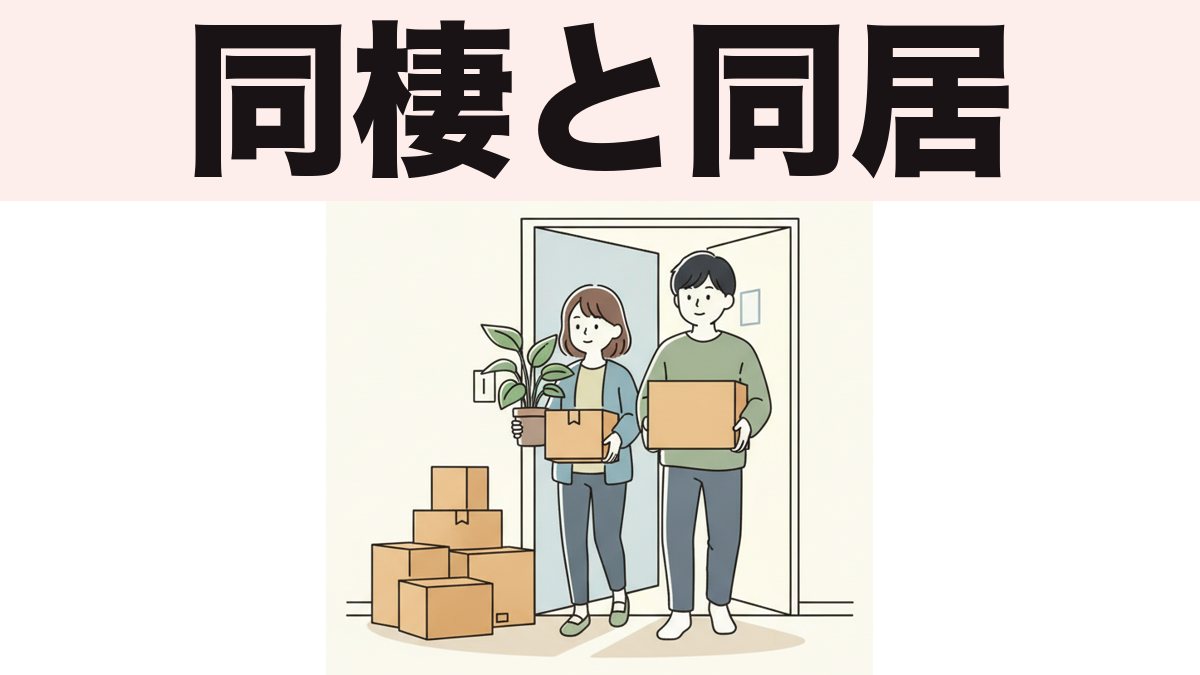
同棲 (dousei) means a couple living together without being married. 同居 (doukyo) means sharing a home with someone — most often family. If you only want to say "we live together" without labelling the relationship, 一緒に住んでいる is the safe, neutral choice.
同棲は、結婚していないカップルが一緒に住むことです。同居は、だれかと同じ家に住むことで、多くは家族です。関係を言いたくないときは「一緒に住んでいる」がいちばん安全です。
This pair comes up in lessons at a very specific moment: someone is describing their partner, they are not engaged yet, they share an apartment, and the sentence stops. English has one phrase, "living together," and it quietly covers roommates, parents and partners. Japanese splits it, and the word you pick tells the listener what kind of relationship it is.
The basics
What does 同棲 mean?
同棲 is a couple — romantic partners — living under one roof before (or instead of) marriage. The kanji are 同 "same" and 棲 "to dwell," a character you will almost never see anywhere else.
彼女と同棲しています。 — I live with my girlfriend. (polite, clearly a couple) 来月から同棲を始める予定です。 — We're planning to move in together next month. (polite, the usual verb pairing is 同棲を始める)
同棲 is a する-verb, so it works as 同棲する, 同棲している, 同棲中 ("currently living together") and so on.
What does 同居 mean?
同居 is sharing a home with someone, with no romance implied. By far the most common use is family — especially an adult child and their parents, or a married couple living with one set of in-laws.
両親と同居しています。 — I live with my parents. (polite, a neutral statement of fact) 結婚してから、夫の母と同居しています。 — Since getting married, I've lived with my husband's mother. (polite, a very typical 同居 situation)
It can also be used for a housemate or a pet, but for friends sharing an apartment most people in everyday talk say ルームシェア instead.
Which one is the neutral way to say "we live together"?
Neither. The plain verb phrase 一緒に住んでいる ("living together") does not label anything, which is exactly why it is so useful.
友達と一緒に住んでいます。 — I live with a friend. (polite, no label) 今、パートナーと一緒に住んでいます。 — I'm living with my partner right now. (polite, relationship is clear from パートナー, not from the verb)
If you are not sure which word fits, or you simply don't want to announce the relationship, 一緒に住んでいる is never wrong. Note the particle: it is と一緒に住む "live with someone," and the place takes に — 東京に住んでいる. If に and で still trip you up with 住む, see で vs に.
Beyond the basics
Does 同棲 sound bad in Japanese?
It used to carry a little weight. For older speakers, 同棲 can still sound like something you would not mention at a family dinner, because it assumes a couple who are not married. For most people under forty it is simply a factual word, and you will hear it in ordinary conversation, dating shows and TV dramas.
The practical advice: with friends and in casual talk, 同棲 is fine. With someone older, a boss, or someone you just met, 一緒に住んでいる plus the word for your partner does the same job without inviting a reaction.
実は、恋人と同棲してるんだ。 — Actually, I live with my partner. (casual, among friends) 婚約者と一緒に住んでおります。 — I live with my fiancé(e). (very polite, no 同棲 needed)
What about 同居 with in-laws?
This is where 同居 becomes a loaded word, but in a different way. In Japan, a couple moving in with the husband's or wife's parents is a big household decision, and 同居 is the word for it. People ask 同居ですか? the way English speakers might ask "Do you live near your parents?" — and the answer often comes with feelings attached.
義理の両親と同居するかどうか、まだ決めていません。 — We haven't decided yet whether to live with my in-laws. (polite)
Related words you will hear in the same conversation: 二世帯住宅 (a house built for two generations, often with two kitchens), 別居 (a married couple living apart, sometimes as a step toward divorce), and 実家 (your parents' home — more on that in jikka, jimoto and kisei).
How do anime and dramas use these words?
Romantic comedies love the setup where two characters end up under one roof by accident — a mix-up with an apartment, a parent's remarriage, a sudden transfer. Fans call that genre 同居もの, not 同棲もの, and the choice is deliberate: 同居 says "they share a house" without claiming they are a couple yet. The tension of the story is exactly that gap. When the relationship finally becomes official and they keep living together, characters start saying 同棲.
え、同棲じゃないよ!ただの同居だから! — Hey, we're not living together as a couple! We just share the place! (casual, the classic rom-com denial)
That one line is the whole difference between the two words.
What is 半同棲?
半 means "half." 半同棲 is the stage where one person keeps their own apartment but sleeps at the other's place most nights. It is informal, a little playful, and very common among people in their twenties.
今は半同棲みたいな感じです。 — Right now we're sort of half living together. (polite, relaxed)
Common mistakes
- Using 同居 for your girlfriend or boyfriend. 彼氏と同居しています is not wrong grammatically, but it sounds oddly cold, like you are listing him as a housemate. If he is your partner, say 同棲 or 一緒に住んでいる.
- Using 同棲 for parents or friends. 母と同棲しています makes people stop and stare, because 同棲 only means a couple.
- Forgetting that 同棲 is a verb. You need する: 同棲しています, not 同棲です when you mean the action. 同棲中です ("currently cohabiting") is the natural short noun form.
- Wrong particle with 住む. It is 彼と一緒に住む (with と) and 大阪に住む (with に). 大阪で住む is a common learner slip.
- Reaching for 生活する. 一緒に生活している is understandable but sounds like a report or a documentary. For everyday speech, 住んでいる is the natural verb.
Which word should you use?
| Who you live with | Natural word | Example |
|---|---|---|
| Boyfriend / girlfriend / partner, not married | 同棲 (or 一緒に住んでいる) | 彼女と同棲しています |
| Fiancé(e) | 同棲 in casual talk, 一緒に住んでいる when polite | 婚約者と一緒に住んでいます |
| Spouse | Just 住んでいる — no special word needed | 妻と二人で住んでいます |
| Your parents or in-laws | 同居 | 両親と同居しています |
| Friends, roommates | ルームシェア / 一緒に住んでいる | 友達とルームシェアしています |
| Married, but living apart | 別居 | 今は別居しています |
| Don't want to say | 一緒に住んでいる | パートナーと一緒に住んでいます |
Practice
Answers are hidden — try your own sentence first, then open. Questions 1 and 2 are a pair: the same person, two different relationships.
1. Tell a friend, casually: "I'm living with my boyfriend now."
Show answer
今、彼氏と同棲してるんだ。 — a romantic partner, not married, so 同棲. 一緒に住んでる also works.
2. Now politely: "I live with my parents."
Show answer
両親と同居しています。 — family, so 同居. 同棲 here would sound like the parents are your partner.
3. Say it without labelling the relationship: "I live with my partner."
Show answer
パートナーと一緒に住んでいます。 — 一緒に住んでいる never commits to a label, so it is the safe choice with anyone.
4. Fix the particle: 東京で一緒に住んでいます。
Show answer
東京に一緒に住んでいます。 — 住む marks where you live with に, because it is where you stay, not where an action happens.
5. "We're planning to move in together next month."
Show answer
来月から同棲を始める予定です。 — 同棲を始める is the usual pairing for "start living together."
6. Which word fits: a married couple who now live in separate homes?
Show answer
別居 — used for spouses living apart. 同居 is the opposite: sharing the same home.
7. A rom-com character insists: "We're not a couple, we just share the house!" Which word do they use for "share the house"?
Show answer
同居 — ただの同居だから! The whole joke is that 同居 does not claim romance and 同棲 does.
8. Say politely: "We haven't decided whether to live with my in-laws."
Show answer
義理の両親と同居するかどうか、まだ決めていません。 — in-laws are family, so 同居. かどうか turns it into "whether or not."
9. "Right now we're sort of half living together."
Show answer
今は半同棲みたいな感じです。 — 半 adds "half." みたいな感じ keeps it relaxed, since 半同棲 is itself an informal word.
10. What is odd about 母と同棲しています?
Show answer
同棲 only means a couple. With a parent it has to be 母と同居しています or 母と一緒に住んでいます.
FAQ
Is 同棲 the same as common-law marriage? No. 同棲 just means a couple sharing a home. A couple who deliberately live as spouses without registering the marriage call it 事実婚, which is a separate idea with legal weight.
Can I use 同居 for a pet? You can — ペットと同居 appears in housing ads and articles — but in conversation people just say 猫と住んでいる or 猫を飼っている.
What do you call the person you share a home with? 同居人 is the formal word, used on documents and in news reports. In daily life people say ルームメイト for a roommate, or simply name the relationship: 彼氏, 彼女, 母.
Is 同棲 okay to say in a job interview? It is not rude, but it is more personal than an interview needs. If it comes up, 家族と住んでいます or パートナーと住んでいます gives the fact without the label.
How do I say "move in together"? 同棲を始める for a couple, or 一緒に住み始める for anyone. 引っ越す alone only means "move house."
What does 同居もの mean? It is a fan term for stories where characters end up sharing a home, usually by accident. It is a common rom-com setup — for more words fans use about anime genres, see otaku slang.
Vocabulary from this article
Tap the block to select all of it, then copy. In Anki: File → Import, note type Basic, separator Tab — the first column becomes the front, the second the back.
同棲	どうせい — a couple living together before or without marriage
同居	どうきょ — sharing a home, especially with family
一緒に住む	いっしょにすむ — to live together (neutral)
半同棲	はんどうせい — half living together
別居	べっきょ — a married couple living apart
二世帯住宅	にせたいじゅうたく — a house built for two generations
義理の両親	ぎりのりょうしん — parents-in-law
婚約者	こんやくしゃ — fiancé(e)
同居人	どうきょにん — housemate (formal)
事実婚	じじつこん — common-law marriage
実家	じっか — your parents' home
恋人	こいびと — partner, lover
I'm Yuuki, a Japanese teacher based in Tokyo. I've taught on italki as a Top 1% teacher and watched over 1,500 anime. 同棲 and 同居 come up when an advanced learner describes their home life and pauses on the one word they need — the fix takes thirty seconds, and afterwards the whole rom-com genre makes more sense. More family words are in ani vs oniisan.
Sources: the author's own lessons and standard reference grammars.
この2つは、レッスンでよく出てきます。パートナーの話をしていて、まだ婚約していない、でも同じ部屋に住んでいる。そこで文が止まります。英語の "living together" は、ルームメイトにも親にも恋人にも使えます。日本語は分かれていて、どの言葉を選ぶかで、相手との関係が伝わります。
基本の形
同棲の意味は?
同棲は、恋人どうしが結婚する前に(または結婚しないで)一緒に住むことです。「同」は「同じ」、「棲」は「住む」という意味です。「棲」はほかではあまり見ない漢字です。
彼女と同棲しています。 — I live with my girlfriend. (ていねい・カップルだとはっきりわかる) 来月から同棲を始める予定です。 — We're planning to move in together next month. (ていねい・「同棲を始める」がよく使う形)
同棲は「する」がつく言葉です。同棲する、同棲している、同棲中、のように使います。
同居の意味は?
同居は、だれかと同じ家に住むことです。恋愛の意味はありません。いちばん多いのは家族です。大人になった子どもと親、結婚した夫婦とどちらかの親、などです。
両親と同居しています。 — I live with my parents. (ていねい・事実を言うだけ) 結婚してから、夫の母と同居しています。 — Since getting married, I've lived with my husband's mother. (ていねい・よくある同居の形)
ルームメイトやペットにも使えますが、友だちと部屋を分けて住むときは、ふつう「ルームシェア」と言います。
関係を言わない言い方は?
どちらでもなく、「一緒に住んでいる」です。関係の名前をつけないので、とても便利です。
友達と一緒に住んでいます。 — I live with a friend. (ていねい・名前をつけない) 今、パートナーと一緒に住んでいます。 — I'm living with my partner right now. (ていねい・関係は「パートナー」でわかる)
どちらかわからないとき、関係を言いたくないときは、「一緒に住んでいる」ならまちがいません。助詞にも気をつけてください。人は「と一緒に住む」、場所は「に」で「東京に住んでいる」です。住む の「に」と「で」がまだ不安な人は、で と に の記事を見てください。
もっと深く
同棲は悪い言葉?
前は少し重い言葉でした。年上の人には、「家族の食事では言わない話」のように聞こえることがあります。結婚していないカップルの話だからです。40歳より若い人の多くには、ただの事実の言葉です。ふつうの会話、恋愛番組、ドラマでよく聞きます。
友だちとの会話なら同棲で大丈夫です。年上の人、上司、会ったばかりの人には、「一緒に住んでいる」とパートナーの言葉を使えば、同じことが伝わります。
実は、恋人と同棲してるんだ。 — Actually, I live with my partner. (カジュアル・友だちに) 婚約者と一緒に住んでおります。 — I live with my fiancé(e). (とてもていねい・同棲を使わない)
親との同居は?
ここでは同居が重い言葉になります。日本では、夫か妻の親と一緒に住むのは、家族の大きな決定です。「同居ですか?」と聞くと、気持ちのこもった答えが返ってくることがよくあります。
義理の両親と同居するかどうか、まだ決めていません。 — We haven't decided yet whether to live with my in-laws. (ていねい)
同じ会話で出てくる言葉: 二世帯住宅(2つの世代が住むための家。台所が2つあることも多い)、別居(夫婦が別々に住むこと)、実家(親の家。実家・地元・帰省の記事にくわしく書きました)。
アニメやドラマではどう使う?
ラブコメには、2人が偶然同じ家に住むことになる話がよくあります。部屋のまちがい、親の再婚、急な転校などです。ファンはこれを「同居もの」と呼びます。「同棲もの」ではありません。同居は「同じ家に住んでいる」だけで、まだカップルではないからです。その差が話のおもしろさです。本当にカップルになってからも一緒に住むと、同棲と言い始めます。
え、同棲じゃないよ!ただの同居だから! — Hey, we're not living together as a couple! We just share the place! (カジュアル・ラブコメの定番のセリフ)
この1文に、2つの言葉の違いが全部入っています。
半同棲とは?
「半」は「半分」です。半同棲は、自分の部屋はあるけれど、ほとんど毎晩相手の部屋にいる状態です。くだけた言葉で、20代によく使われます。
今は半同棲みたいな感じです。 — Right now we're sort of half living together. (ていねい・やわらかい)
よくあるまちがい
- 恋人に同居を使う。 「彼氏と同居しています」は文法ではまちがいではありませんが、ルームメイトのように冷たく聞こえます。恋人なら同棲か「一緒に住んでいる」です。
- 親や友だちに同棲を使う。 「母と同棲しています」と言うと、みんなびっくりします。同棲はカップルだけです。
- 同棲が動詞だと忘れる。 「同棲しています」と言います。短く言うなら「同棲中です」が自然です。
- 住む の助詞をまちがえる。 「彼と一緒に住む」(と)、「大阪に住む」(に)です。「大阪で住む」はよくあるまちがいです。
- 「生活する」を使う。 「一緒に生活している」もわかりますが、報告やドキュメンタリーのように聞こえます。ふだんは「住んでいる」が自然です。
どの言葉を使う?
| だれと住む | 自然な言葉 | 例 |
|---|---|---|
| 恋人・パートナー(結婚していない) | 同棲(または 一緒に住んでいる) | 彼女と同棲しています |
| 婚約者 | カジュアルなら同棲、ていねいなら 一緒に住んでいる | 婚約者と一緒に住んでいます |
| 夫・妻 | 住んでいる だけでいい | 妻と二人で住んでいます |
| 親・義理の親 | 同居 | 両親と同居しています |
| 友だち・ルームメイト | ルームシェア/一緒に住んでいる | 友達とルームシェアしています |
| 夫婦で別々に住む | 別居 | 今は別居しています |
| 言いたくない | 一緒に住んでいる | パートナーと一緒に住んでいます |
練習
答えはかくしてあります。先に自分で文を作ってから開けてください。1と2はペアです。同じ人で、関係がちがいます。
1. 友だちにカジュアルに「今、彼氏と一緒に住んでる」と言う。
答えを見る
今、彼氏と同棲してるんだ。 — 結婚していない恋人なので同棲。「一緒に住んでる」でもいいです。
2. 今度はていねいに「両親と住んでいます」。
答えを見る
両親と同居しています。 — 家族なので同居。同棲だと、親が恋人のように聞こえます。
3. 関係を言わないで「パートナーと住んでいます」。
答えを見る
パートナーと一緒に住んでいます。 — 「一緒に住んでいる」は関係の名前をつけないので、だれにでも安全です。
4. 助詞を直す: 東京で一緒に住んでいます。
答えを見る
東京に一緒に住んでいます。 — 住む場所は「に」。動作をする場所ではなく、いる場所だからです。
5. 「来月から一緒に住み始める予定です」(カップル)。
答えを見る
来月から同棲を始める予定です。 — 「同棲を始める」がよく使う形です。
6. 結婚している夫婦が、今は別々の家に住んでいる。どの言葉?
答えを見る
別居 — 夫婦が別々に住むときに使います。同居はその反対です。
7. ラブコメのキャラが「カップルじゃない、同じ家に住んでるだけ!」と言う。「同じ家に住んでるだけ」はどの言葉?
答えを見る
同居 — 「ただの同居だから!」。同居は恋愛を言わない、同棲は言う。そこがおもしろいところです。
8. ていねいに「義理の両親と住むかどうか、まだ決めていません」。
答えを見る
義理の両親と同居するかどうか、まだ決めていません。 — 義理の親も家族なので同居。「かどうか」で「〜か、〜ないか」になります。
9. 「今は半分一緒に住んでいるような感じです」。
答えを見る
今は半同棲みたいな感じです。 — 「半」で「半分」。半同棲はくだけた言葉なので、「みたいな感じ」でやわらかくします。
10. 「母と同棲しています」の何がおかしい?
答えを見る
同棲はカップルだけの言葉です。 親なら「母と同居しています」か「母と一緒に住んでいます」です。
FAQ
同棲は事実婚と同じ? ちがいます。同棲はカップルが一緒に住むことだけです。結婚の届けを出さずに夫婦として生活するのは事実婚で、法律の意味もある別の言葉です。
ペットにも同居を使える? 使えます。住まいの広告や記事で「ペットと同居」を見ます。でも会話では「猫と住んでいる」「猫を飼っている」と言います。
一緒に住む人を何と呼ぶ? 同居人はかたい言葉で、書類やニュースで使います。ふだんはルームメイト、または彼氏・彼女・母のように関係で呼びます。
面接で同棲と言ってもいい? 失礼ではありませんが、面接には個人的すぎます。聞かれたら「家族と住んでいます」「パートナーと住んでいます」で十分です。
「一緒に住み始める」は何と言う? カップルなら同棲を始める、だれでも使えるのは一緒に住み始める。「引っ越す」だけだと「家を変える」の意味だけです。
同居ものとは? キャラクターが偶然同じ家に住む話のことで、ファンの言葉です。ラブコメによくある形です。アニメファンの言葉はオタク用語の記事にもあります。
この記事に出た単語
ブロックをタップすると全部選べます。そのままコピーしてください。Anki では ファイル → 読み込む、ノートタイプは 基本、区切りは タブ です。1列目が表、2列目が裏になります。
同棲	どうせい — a couple living together before or without marriage
同居	どうきょ — sharing a home, especially with family
一緒に住む	いっしょにすむ — to live together (neutral)
半同棲	はんどうせい — half living together
別居	べっきょ — a married couple living apart
二世帯住宅	にせたいじゅうたく — a house built for two generations
義理の両親	ぎりのりょうしん — parents-in-law
婚約者	こんやくしゃ — fiancé(e)
同居人	どうきょにん — housemate (formal)
事実婚	じじつこん — common-law marriage
実家	じっか — your parents' home
恋人	こいびと — partner, lover
More drills like the ones above, plus a timed JLPT-style mock test: Practice · N3上のような練習問題と、時間つきのJLPT形式のもぎ試験: 練習ページ · N3
Want to try this in a real conversation?
本当の会話で、ためしてみませんか?
30-minute trial lesson, $13. Times shown in your own timezone.
30分の体験レッスン、$13。時間はあなたのタイムゾーンで表示されます。
Book a trial lesson · $13