飲み会 and 無礼講: the words you need at a Japanese drinking party飲み会と無礼講: お酒の席で使う言葉
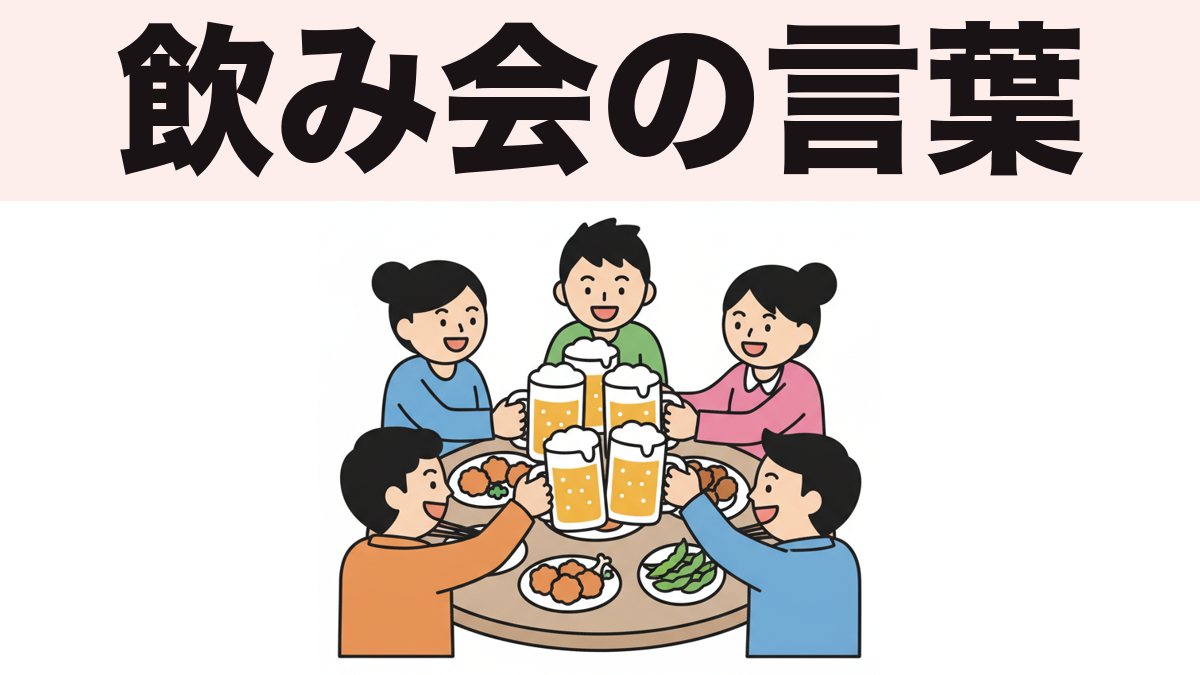
飲み会 is a drinking party with colleagues or friends, and 無礼講 is the word someone says at the start to announce that rank does not apply tonight — which is a generous fiction roughly as often as it is a fact.
「飲み会」は、仕事の後や友だちとのお酒の会です。「無礼講(ぶれいこう)」は、はじめに上の人が言う言葉で、「今日は上下をなしにしよう」という意味です。ただし、本当になしになるかというと、半分だけです。
If you work in Japan, study in Japan, or make Japanese friends anywhere, you will end up at one of these. The vocabulary is small and almost entirely fixed, which is good news: learn twenty words and the evening stops being opaque. What follows is that list, in the order the evening actually happens.
The basics
The word itself
飲み会 (のみかい) is 飲む ("to drink") plus 会 ("gathering"). It covers everything from four colleagues after work to a fifty-person year-end party.
今日、飲み会があります。 — There's a drinking party today. (polite; a statement of fact, often slightly resigned) 飲み会に行きませんか。 — Would you like to come to the drinking party? (polite invitation)
Note that a 飲み会 is not defined by drinking alcohol. People who do not drink attend constantly, order soft drinks and are entirely normal participants. The gathering is the point.
The named occasions
Japanese has a specific word for each standard reason to hold one, and they are worth knowing because the invitation will use the name rather than an explanation.
- 歓迎会 (かんげいかい) — a welcome party, for someone who just joined.
- 送別会 (そうべつかい) — a farewell party, for someone leaving.
- 忘年会 (ぼうねんかい) — the end-of-year party. Literally "forget the year."
- 新年会 (しんねんかい) — the new-year party, in January.
- 打ち上げ (うちあげ) — the celebration after a project or a performance ends.
来週、送別会があります。 — There's a farewell party next week. (polite)
乾杯 and the rule about it
The evening starts with 乾杯 (かんぱい), "cheers." The rule that matters: nobody drinks until it has been said.
乾杯! — Cheers! (the toast; everyone raises glasses together) とりあえずビールで。 — Beer to start, please. (casual-polite; the classic first order) すみません、枝豆を頼んでもいいですか。 — Excuse me, is it okay if I order edamame? (polite; 頼む = to order)
とりあえずビール — "beer for now" — exists because the first round is ordered together so the toast can happen at once. Ordering something that takes ten minutes to prepare delays everyone, which is the actual reason behind a phrase often explained as beer culture.
お疲れさま, the other universal phrase
お疲れさまです is the greeting, the thank-you, the goodbye and the toast substitute of Japanese working life. At a 飲み会 it is said constantly, and it is the safe thing to say when you do not know what to say.
お疲れさまです。 — Thanks for your work today. (polite; greeting a colleague, at any time) お疲れさまでした。 — Thanks for your hard work. (polite, past; said when leaving)
Beyond the basics
無礼講 — what it means and how true it is
無礼講 (ぶれいこう) literally means a gathering without rules of etiquette. Someone senior announces it at the start: 今日は無礼講で, "tonight, no formality."
今日は無礼講で。 — Tonight, rank doesn't apply. (spoken by the most senior person present)
Here is the honest version. It genuinely loosens things — the language gets more casual, jokes happen, people say things they would not say at 3pm. It does not delete the hierarchy. The person who announced 無礼講 is still your boss tomorrow morning, and everyone in the room knows it.
The practical reading: treat it as permission to relax one notch, not as an invitation to say whatever you think. This is the same mechanism as honne and tatemae — a ritual that makes space for a little more honesty without ever removing the frame around it. When and how far to drop your polite forms is keigo vs casual, and a 飲み会 shifts that dial rather than switching it off.
一次会, 二次会 and お開き
The evening comes in numbered rounds. 一次会 (いちじかい) is the first venue; 二次会 (にじかい) is the second, often karaoke; 三次会 exists and is where judgement goes to die.
二次会、行きますか。 — Are you going on to the second round? (casual-polite; a genuine question, and no is a normal answer)
お開き (おひらき) is the word for ending the party. It literally means "opening," a superstition-driven substitute for saying "closing" — Japanese avoids inauspicious words at celebrations the way English avoids saying "quiet" in a hospital.
そろそろお開きにしましょう。 — Let's wrap it up soon. (polite; the organiser's line)
幹事 and 割り勘
幹事 (かんじ) is the organiser — the person who booked the place, collects the money and herds everyone. It is usually the most junior person, and it is real work.
割り勘 (わりかん) is splitting the bill evenly. It is the default among friends and colleagues of similar rank; where ranks differ, the senior person often quietly covers more.
割り勘でいいですか。 — Is splitting it evenly okay? (polite; standard, not stingy)
飲み放題 (のみほうだい) — all you can drink for a fixed time and price — is extremely common and is why the bill is usually announced as a flat per-person figure before anyone orders.
お酌 — pouring for other people
At a traditional 飲み会 you do not pour your own drink. You pour for the person next to you, they pour for you, and both of you hold the bottle or glass with two hands when rank is involved.
どうぞ。 — Here you go. (offering to pour; the whole sentence) ありがとうございます。 — Thank you. (polite; said while holding your glass up to receive)
This is less strictly observed than it was, and in a relaxed group nobody will mind. Noticing an empty glass next to you and offering is a small, cheap way to be a good guest.
How to not drink
This matters and is straightforward. Refusing alcohol is completely normal and needs no medical explanation.
お酒は飲めません。 — I can't drink alcohol. (polite; 飲めません, the potential form, is stronger and cleaner than 飲みません) ウーロン茶をお願いします。 — Oolong tea, please. (polite; the standard non-alcoholic order)
飲めません ("I am unable to") closes the topic in a way 飲みません ("I don't") does not, because the latter invites persuasion. If you want to leave the door open, ソフトドリンクでお願いします works without any explanation at all. For the wider set of ways Japanese says no without the word, see how to say no in Japanese.
Pressuring people to drink has a name — アルハラ, from "alcohol harassment" — and it is treated as a genuine workplace problem rather than a joke. You are on solid ground declining.
Common mistakes
- Drinking before 乾杯. Wait. It is the one piece of timing everybody notices.
- Taking 無礼講 literally. It lowers the register by one notch. It does not make your boss your equal for the evening.
- Saying 飲みません when you mean you can't. 飲めません is clearer and ends the conversation kindly.
- Pouring your own drink and nobody else's. Not a scandal, but noticing the glass beside you is most of being a good guest.
- Assuming 二次会 is compulsory. It is not. 今日はこれで失礼します ("I'll leave it here for today") is a complete and polite exit.
- Calling every party a 飲み会 in an invitation. If it has a name — 歓迎会, 忘年会 — use the name. It tells people what the evening is for.
The evening, in order
| Stage | Word | Reading | What happens |
|---|---|---|---|
| Before | 幹事 | かんじ | The organiser books and collects |
| Start | 乾杯 | かんぱい | The toast; nobody drinks first |
| Start | 無礼講 | ぶれいこう | Rank is declared suspended |
| Ordering | とりあえずビール | — | The shared first round |
| Ordering | 飲み放題 | のみほうだい | Fixed price, fixed time |
| During | お酌 | おしゃく | Pouring for each other |
| During | お疲れさま | おつかれさま | Said roughly forty times |
| End of round 1 | 一次会 | いちじかい | The first venue |
| Round 2 | 二次会 | にじかい | Usually karaoke; optional |
| Close | お開き | おひらき | Ending the party |
| Bill | 割り勘 | わりかん | Splitting evenly |
FAQ
Do I have to go? Attendance is social rather than contractual, and declining occasionally is fine. Going to the first one you are invited to buys a lot of goodwill, and leaving after 一次会 is completely normal.
What do I say when I arrive? お疲れさまです. It works as hello, and it works with everyone regardless of rank. You genuinely do not need a second phrase.
Is it rude to leave early? No. 先に失礼します ("excuse me for leaving first") is the phrase, and it is used constantly, in offices as well as at parties. Say it to the organiser and to whoever is nearest.
What is アルハラ? Short for "alcohol harassment" — pressuring someone to drink. It is a recognised term and taken seriously, so declining is socially supported, not awkward.
What should I talk about? Work, food, where everyone lives, hobbies, and whatever is on the television. Salary, politics and anything that would be a complaint about a person present are the ones to avoid.
Is 無礼講 still said? Yes, though less often and often half-jokingly, which is itself a comment on how literally anyone takes it.
Practice
Build each answer before opening it. Questions 5 and 6 are a pair — one is stronger than the other.
1. Say "There's a drinking party today."
Show answer
今日、飲み会があります — 飲み会 takes ある, because you are saying an event exists.
2. Which party is held for someone who is leaving?
Show answer
送別会 — 送る ("to send off") plus 別れ ("parting"). The one for a new arrival is 歓迎会.
3. What is the one thing nobody does before 乾杯?
Show answer
Drink — glasses are raised together. It is the most visible piece of timing at the table.
4. Order the classic first round.
Show answer
とりあえずビールで — "beer for now." The first round is ordered together so the toast can happen at once.
5. Say "I can't drink alcohol," in the way that closes the subject.
Show answer
お酒は飲めません — the potential form, "unable to." This is the pair to question 6.
6. Say "I don't drink," and explain why it is the weaker choice.
Show answer
お酒は飲みません — it states a habit, so it leaves room for someone to encourage you. 飲めません does not. This is the pair to question 5.
7. Politely leave before everyone else.
Show answer
先に失礼します — "excuse me for going first." Completely standard, and not rude at all.
8. Your boss announces 今日は無礼講で. What has actually changed?
Show answer
The register drops one notch — casual speech and jokes become fine. The hierarchy itself has not gone anywhere, and everyone present knows it.
9. Ask whether everyone is splitting the bill evenly.
Show answer
割り勘でいいですか — the normal default. Asking is not stingy.
10. What does お開き mean, and why is the word so oddly cheerful?
Show answer
Ending the party — literally "opening." Inauspicious words like "close" and "end" are avoided at celebrations, so the language substitutes their opposite.
Vocabulary from this article
Tap the block to select all of it, then copy. In Anki: File → Import, note type Basic, separator Tab — the first column becomes the front, the second the back.
飲み会	のみかい — drinking party
無礼講	ぶれいこう — a gathering where rank is set aside
乾杯	かんぱい — cheers, a toast
歓迎会	かんげいかい — welcome party
送別会	そうべつかい — farewell party
忘年会	ぼうねんかい — end-of-year party
新年会	しんねんかい — new-year party
打ち上げ	うちあげ — wrap party, celebration
幹事	かんじ — the organiser
一次会	いちじかい — the first venue
二次会	にじかい — the second round
お開き	おひらき — ending the party
割り勘	わりかん — splitting the bill evenly
飲み放題	のみほうだい — all you can drink
お酌	おしゃく — pouring a drink for someone
お酒	おさけ — alcohol
失礼	しつれい — rudeness; "excuse me"
疲れる	つかれる — to get tired
飲む	のむ — to drink
頼む	たのむ — to ask for, to order
I'm Yuuki, a Japanese teacher based in Tokyo. I've taught on italki as a Top 1% teacher and watched over 1,500 anime. The 飲み会 is where most of my students' first real Japanese conversations happen, and the two phrases that save the evening are the least impressive ones: お疲れさまです when you arrive, and 先に失礼します when you go.
Sources: the author's own lessons and standard reference grammars.
日本で働く人、勉強する人、日本人の友だちがいる人は、いつか行くことになります。使う言葉は少なくて、だいたい決まっています。20語おぼえれば、その夜が分かるようになります。
基本
「飲み会」という言葉
「飲む」+「会」です。4人の小さい会も、50人の会も「飲み会」です。
今日、飲み会があります。 — There's a drinking party today. (polite; a statement of fact, often slightly resigned) 飲み会に行きませんか。 — Would you like to come to the drinking party? (polite invitation)
お酒を飲まない人もふつうに行きます。ソフトドリンクを飲みます。集まることが目的だからです。
名前のついた会
- 歓迎会(かんげいかい) — 新しく来た人のための会。
- 送別会(そうべつかい) — 行く人のための会。
- 忘年会(ぼうねんかい) — 年の終わりの会。
- 新年会(しんねんかい) — 1月の会。
- 打ち上げ(うちあげ) — 仕事やイベントが終わったあとの会。
来週、送別会があります。 — There's a farewell party next week. (polite)
「乾杯」のルール
会は「乾杯(かんぱい)」から始まります。大事なルールは一つです。乾杯の前に飲みません。
乾杯! — Cheers! (the toast; everyone raises glasses together) とりあえずビールで。 — Beer to start, please. (casual-polite; the classic first order)
「とりあえずビール」は、みんなで同じものを先に頼んで、すぐ乾杯するためです。時間のかかる物を頼むと、みんなが待ちます。
「お疲れさま」
「お疲れさまです」は、あいさつでも、お礼でも、さようならでも使えます。何を言えばいいか分からないときは、これでいいです。
お疲れさまです。 — Thanks for your work today. (polite; greeting a colleague, at any time) お疲れさまでした。 — Thanks for your hard work. (polite, past; said when leaving)
もう少し先へ
「無礼講」はどこまで本当か
「無礼講」は、れいぎのルールをなしにする会、という意味です。上の人が「今日は無礼講で」と言います。
今日は無礼講で。 — Tonight, rank doesn't apply. (spoken by the most senior person present)
正直に言うと、こうです。話し方はくだけます。じょうだんも出ます。昼には言わないことも言います。でも、上下が消えるわけではありません。「無礼講で」と言った人は、あしたも上司です。
だから、一段だけゆるめると考えてください。何を言ってもいい、という意味ではありません。
「一次会」「二次会」「お開き」
- 一次会(いちじかい) — 最初の店。
- 二次会(にじかい) — 次の店。カラオケが多いです。
- 三次会 — あります。
二次会、行きますか。 — Are you going on to the second round? (casual-polite; a genuine question, and no is a normal answer)
「お開き(おひらき)」は、会を終わることです。「閉じる」「終わる」という言葉を、おめでたい席では使わないので、反対の言葉を使います。
そろそろお開きにしましょう。 — Let's wrap it up soon. (polite; the organiser's line)
「幹事」と「割り勘」
「幹事(かんじ)」は、店を予約して、お金を集める人です。若い人がすることが多く、本当にたいへんです。
「割り勘(わりかん)」は、同じ金額で分けることです。
割り勘でいいですか。 — Is splitting it evenly okay? (polite; standard, not stingy)
「飲み放題(のみほうだい)」は、決まった時間、決まった金額で飲める形です。とても多いです。
「お酌」
自分のグラスには、自分で入れません。となりの人に入れて、その人が自分に入れてくれます。
どうぞ。 — Here you go. (offering to pour; the whole sentence) ありがとうございます。 — Thank you. (polite; said while holding your glass up to receive)
今は、そこまできびしくありません。でも、となりのグラスが空なのに気がついて「どうぞ」と言えると、いいお客さんです。
飲まないとき
飲まないことは、ふつうです。理由を説明しなくていいです。
お酒は飲めません。 — I can't drink alcohol. (polite; 飲めません, the potential form, is stronger and cleaner than 飲みません) ウーロン茶をお願いします。 — Oolong tea, please. (polite; the standard non-alcoholic order)
「飲めません」は「できません」の形なので、話がそこで終わります。「飲みません」は習慣の話なので、すすめられることがあります。
お酒をむりにすすめることは「アルハラ」と言います。問題として知られています。ことわって大丈夫です。
よくあるまちがい
- 乾杯の前に飲む。 これはみんなが見ています。
- 「無礼講」を本当だと思う。 一段ゆるむだけです。
- 「飲めません」ではなく「飲みません」と言う。 「飲めません」のほうがはっきりします。
- 自分の分だけ入れる。 となりのグラスを見てください。
- 二次会に行かないといけないと思う。 「今日はこれで失礼します」で終わりです。
- 名前のある会を「飲み会」とだけ書く。 「歓迎会」「忘年会」と書くと、何の会か分かります。
その夜の順番
| 場面 | 言葉 | 読み | すること |
|---|---|---|---|
| 前 | 幹事 | かんじ | 予約してお金を集める |
| 最初 | 乾杯 | かんぱい | みんなで同時に |
| 最初 | 無礼講 | ぶれいこう | 上下をなしにする宣言 |
| 注文 | とりあえずビール | — | 最初の一杯を合わせる |
| 注文 | 飲み放題 | のみほうだい | 時間と金額が決まっている |
| 途中 | お酌 | おしゃく | おたがいに入れる |
| 途中 | お疲れさま | おつかれさま | 何回も言う |
| 一軒目 | 一次会 | いちじかい | 最初の店 |
| 二軒目 | 二次会 | にじかい | カラオケが多い。自由 |
| 終わり | お開き | おひらき | 会を終える |
| お金 | 割り勘 | わりかん | 同じ金額で分ける |
FAQ
行かないといけませんか。 仕事の義務ではありません。ときどきことわっても大丈夫です。一次会だけで帰る人もたくさんいます。
着いたら何と言いますか。 「お疲れさまです」。だれに言っても大丈夫です。
先に帰るのは失礼ですか。 失礼ではありません。「先に失礼します」と言います。
「アルハラ」とは何ですか。 お酒をむりにすすめることです。問題として知られています。
何を話せばいいですか。 仕事、食べ物、住んでいる場所、しゅみ、テレビの話。お金と政治と、その場にいる人の悪口はやめておきます。
「無礼講」は今も言いますか。 言います。ただし、半分じょうだんのように言う人が多いです。
練習
答えを見る前に、自分で作ってください。5と6は組です。
1. 「今日、飲み会があります」と言ってください。
答えを見る
今日、飲み会があります — 会は「ある」を使います。
2. 行く人のための会は何ですか。
答えを見る
送別会 — 「送る」+「別れ」。新しく来た人のためのは「歓迎会」です。
3. 乾杯の前にしないことは何ですか。
答えを見る
飲むこと — グラスはみんなで同時に上げます。
4. 最初の一杯を注文してください。
答えを見る
とりあえずビールで — みんなで合わせて、すぐ乾杯するためです。
5. 「お酒が飲めません」と、話が終わる形で言ってください。
答えを見る
お酒は飲めません — 可能形なので「できません」の意味になります。6と組です。
6. 「お酒は飲みません」はなぜ弱いですか。
答えを見る
習慣の話だから — 「今日は少しだけ」とすすめられることがあります。「飲めません」にはそれがありません。5と組です。
7. 先に帰るときの言い方は?
答えを見る
先に失礼します — ふつうの言い方で、失礼ではありません。
8. 上司が「今日は無礼講で」と言いました。何が変わりましたか。
答えを見る
話し方が一段くだけるだけ — 上下の関係は消えません。みんなそれを分かっています。
9. 「割り勘でいいですか」と聞いてください。
答えを見る
割り勘でいいですか — ふつうの聞き方です。けちではありません。
10. 「お開き」はどんな意味で、なぜ明るい言葉ですか。
答えを見る
会を終えること — おめでたい席では「終わる」「閉じる」を使わないので、反対の言葉にします。
この記事に出た単語
ブロックをタップして全部を選んでから、コピーしてください。Anki では ファイル → 読み込み、ノートタイプは 基本、区切りは タブ です。左が表、右が裏になります。
飲み会	のみかい — drinking party
無礼講	ぶれいこう — a gathering where rank is set aside
乾杯	かんぱい — cheers, a toast
歓迎会	かんげいかい — welcome party
送別会	そうべつかい — farewell party
忘年会	ぼうねんかい — end-of-year party
新年会	しんねんかい — new-year party
打ち上げ	うちあげ — wrap party, celebration
幹事	かんじ — the organiser
一次会	いちじかい — the first venue
二次会	にじかい — the second round
お開き	おひらき — ending the party
割り勘	わりかん — splitting the bill evenly
飲み放題	のみほうだい — all you can drink
お酌	おしゃく — pouring a drink for someone
お酒	おさけ — alcohol
失礼	しつれい — rudeness; "excuse me"
疲れる	つかれる — to get tired
飲む	のむ — to drink
頼む	たのむ — to ask for, to order
私はユウキです。東京で日本語を教えています。 italki の Top 1% の先生で、アニメは1,500本以上見ました。生徒の「はじめての本当の日本語の会話」は、たいてい飲み会で起きます。その夜をたすけるのは、かっこいい文ではありません。着いたときの「お疲れさまです」と、帰るときの「先に失礼します」です。
More drills like the ones above, plus a timed JLPT-style mock test: Practice · N3上のような練習問題と、時間つきのJLPT形式のもぎ試験: 練習ページ · N3
Want to try this in a real conversation?
本当の会話で、ためしてみませんか?
30-minute trial lesson, $13. Times shown in your own timezone.
30分の体験レッスン、$13。時間はあなたのタイムゾーンで表示されます。
Book a trial lesson · $13