〜し: the "and" that means "and there''s more where that came from〜し: 「ほかにも理由があるけど」の「し」
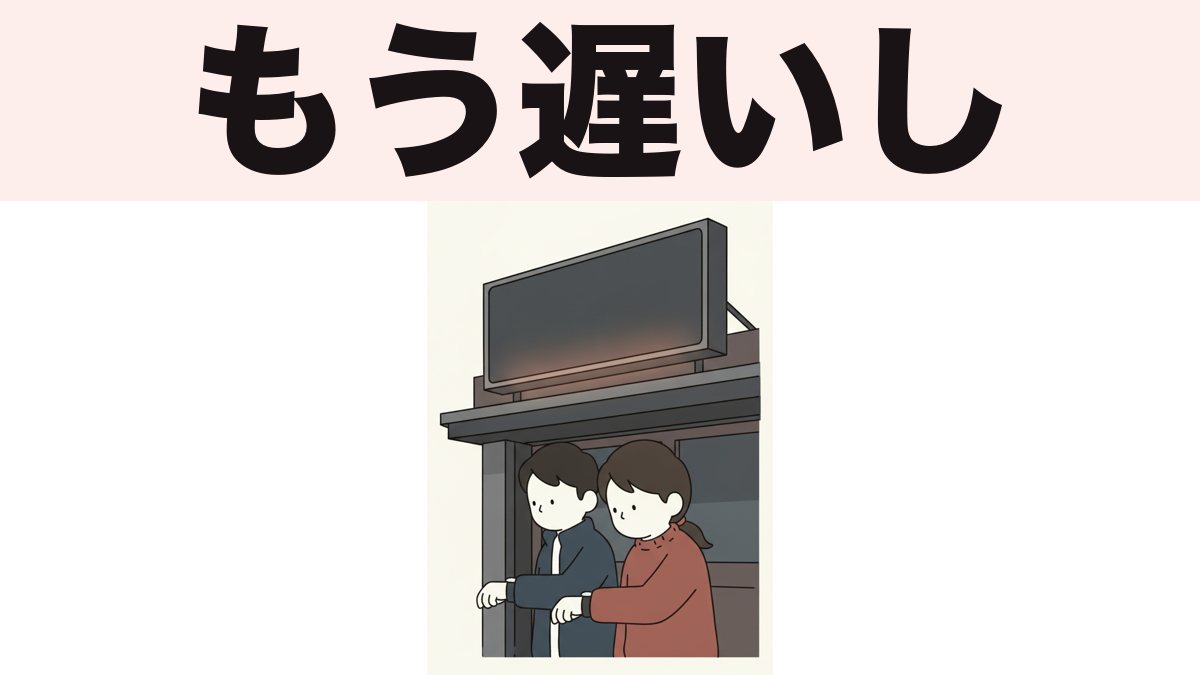
〜し lists reasons and quietly signals that the list is not complete. That implication is the whole point: から gives *the* reason, し gives *a* reason and leaves the rest unsaid. It is why 疲れたし、帰ろう sounds relaxed where 疲れたから、帰ろう sounds like a justification.
「〜し」は理由を並べて、「まだほかにもある」と静かに伝えます。そこがぜんぶです。「から」は**その**理由を言い、「し」は**1つの**理由を言って、あとは言いません。だから「疲れたし、帰ろう」は軽くて、「疲れたから、帰ろう」は言い訳っぽく聞こえます。
Learners tend to meet this as "the way to list two adjectives" and then never use it, because から already works. The thing から cannot do is imply there is more.
The basics
How to build it
Attach し to the plain form. Nothing changes shape.
| Type | Plain | With し |
|---|---|---|
| Verb | 安い店だ / 行く | 行くし |
| い-adjective | 安い | 安いし |
| な-adjective | 便利だ | 便利だし |
| Noun | 学生だ | 学生だし |
Note that な-adjectives and nouns keep their だ — 便利だし, 学生だし. This is the opposite of ので and んです, which turn だ into な, so it is worth noting the difference explicitly.
この店は安いし、おいしいし、近いです。 — This place is cheap, tasty, and close. 日曜日だし、どこか行こうか。 — It's Sunday, so shall we go somewhere?
Polite form works too: 安いですし、おいしいですし. Slightly heavier, and normal in careful speech.
One し is enough
Textbooks show two or three in a row, which makes it look like a listing device. In real conversation, a single し is far more common — and the single し is where the implication lives.
疲れたし、帰ろう。 — I'm tired, so let's go home. (…and other reasons, but that's the main one) 明日早いし、そろそろ… — I've got an early start tomorrow, so… 雨だし、やめておこう。 — It's raining, so let's skip it.
That last one is a complete, natural sentence. One reason, し, and a conclusion. The し tells the listener you are not building a case — you are mentioning something, and there are probably other things you are not bothering to mention.
し vs から: what changes
| Form | What it says |
|---|---|
| 〜から | This is the reason. |
| 〜ので | This is the situation. (softer, more neutral) |
| 〜し | This is a reason, among others. |
疲れたから、帰ります。 — I'm going home because I'm tired. (stating a cause) 疲れたし、帰ります。 — I'm tired, so I'll head home. (one of my reasons)
から points at a cause and stands behind it. し gestures at a reason and lets it be partial. In a refusal especially, し is gentler, because it does not commit you to the claim that this was decisive — which is the same softening instinct behind ので versus から.
Beyond the basics
It lists good things and bad things equally
し is neutral about what it is stacking, which makes it the natural form for both praise and complaint.
静かだし、駅も近いし、いい部屋ですね。 — It's quiet, the station's close — it's a nice place. 高いし、遠いし、サービスも悪い。 — It's expensive, it's far, and the service is bad.
What it will not do is mix directions. A list of positives followed by a negative needs けど or が: 安いし、おいしいけど、遠い ("it's cheap and tasty, but far"). Putting a negative into the middle of a し-chain reads as a mistake, because し implies everything in the list is pointing the same way.
The conclusion can be left off entirely
Because し already implies "and therefore," you can stop after it.
もう遅いし… — It's late, so… (and I'm leaving) お金もないし。 — And I've got no money. (so, no)
This is the same trailing-off that makes 〜から… and ちょっと… into complete refusals. The listener supplies the conclusion, and nobody has to say the awkward part out loud. It is one of the most useful shapes in spoken Japanese and one of the hardest for learners to allow themselves to use.
も often shows up with it
When you are stacking reasons, も ("also") frequently appears inside the し clauses, reinforcing the "and more" feeling.
時間もないし、お金もないし。 — I've got no time, no money… 雨も降ってるし、やめよう。 — It's raining too, let's not.
時間もない (rather than 時間がない) already says "that's another thing missing." Paired with し, the sentence is doing a lot of implying with very few words.
Listing with 〜たり compared
し and 〜たり〜たり both list, and they list different things.
| Form | Lists | Example |
|---|---|---|
| 〜し | Reasons and qualities | 安いし、近いし |
| 〜たり〜たり | Example actions | 食べたり飲んだりした |
〜たり gives a sample of what you did — "we ate, drank, that sort of thing" — and implies other activities as well. So both forms share the "and more" feeling; they just apply it to different material. If you are describing a day, you want たり. If you are explaining why, you want し.
週末は本を読んだり、映画を見たりしました。 — At the weekend I read, watched a film, that kind of thing. 週末は暇だし、天気もいいし。 — The weekend's free, the weather's good…
As a casual sentence ender
In casual speech し can simply end a sentence, adding a mild "anyway" or "besides."
まあ、いいし。 — Eh, it's fine anyway. 別にいいし。 — I don't care, whatever.
This use is casual and slightly offhand — it can read as sulky depending on tone, so it is worth recognising more than producing. 別にいいし in particular is a very specific register: young, casual, and mildly defensive.
How does it sound in anime?
The single-し reason and the trailing version both appear constantly:
危ないし、やめとけ。 — It's dangerous, just drop it. 今日は疲れたし。 — I'm tired today, so… (trailing) お前がいるし、大丈夫だ。 — You're here, so it's fine.
That last one is worth noticing: the し makes it warmer than から would. お前がいるから大丈夫だ states a cause; お前がいるし、大丈夫だ mentions a reason among others, which somehow lands as more casual and more sincere at once.
Common mistakes
- 便利なし / 学生なし. な-adjectives and nouns keep だ before し: 便利だし, 学生だし. This is the opposite of ので.
- Thinking you need two. One し is the more common and more natural shape.
- Mixing positives and negatives in one chain. 安いし、遠い reads as broken. Use けど to turn the direction.
- Using it where から is meant. If you are giving the reason — an explanation someone has asked for — から or ので is right. し is for mentioning.
- Over-using the sentence-ending し. 別にいいし is a specific casual register, and it can sound sulky.
- Refusing to trail off. もう遅いし… is a complete, polite refusal. Finishing the sentence makes it heavier, not clearer.
Practice
Answers are hidden — build yours first, then open. Questions 4 and 5 are a pair: the same reason, and the connector decides whether you are justifying yourself.
1. Join 安い and おいしい with し.
Show answer
安いし、おいしい — い-adjectives attach directly to the plain form. Nothing changes shape.
2. Something is wrong here: 便利なし、駅も近い。
Show answer
便利だし — な-adjectives and nouns keep だ before し. This is the opposite of ので, where だ becomes な.
3. Say "I'm tired, so let's go home," casually.
Show answer
疲れたし、帰ろう — one し is enough, and it is the more natural shape. The し implies other reasons you are not listing.
4. What does 疲れたから、帰ります say?
Show answer
"I'm going home because I'm tired" — から points at a cause and stands behind it. It states the reason.
5. What does 疲れたし、帰ります add?
Show answer
That tiredness is only one of your reasons — し gestures at a reason and leaves the rest unsaid. This is the pair to question 4: softer, less committed, better in a refusal.
6. Something is wrong here: 安いし、おいしいし、遠い。
Show answer
安いし、おいしいけど、遠い — し implies everything in the list points the same way. To turn the direction you need けど or が.
7. Refuse an invitation without finishing the sentence.
Show answer
もう遅いし… — し already implies "and therefore," so you can stop. The listener supplies the rest, and nobody says the awkward part out loud.
8. Why does 時間もないし、お金もないし imply more than it says?
Show answer
も and し are both doing it — も says "that's another thing missing," and し says "and there are more reasons." Two words, a lot of implication.
9. What register is 別にいいし?
Show answer
Young, casual, mildly defensive — the sentence-ending し adds an offhand "anyway." Worth recognising more than producing.
10. Why does お前がいるし、大丈夫だ sound warmer than お前がいるから大丈夫だ?
Show answer
し mentions rather than argues — から states a cause, which is a claim. し offers one reason among others, which lands as more casual and more sincere at the same time.
FAQ
Is し formal or casual? Neutral, and it works in both. 安いですし、おいしいですし is perfectly polite; the sentence-ending し is the only casual-specific use.
Can I use it with just one clause and no conclusion? Yes, and it is extremely common: もう遅いし… That trailing shape is a complete utterance, and treating it as unfinished is a beginner's misreading.
What is the difference from 〜たり〜たり? 〜たり lists example actions ("doing things like eating and reading"). し lists reasons or qualities. They do not overlap much: 食べたり飲んだりする vs 安いしおいしい.
Does し ever mean plain "and"? It always carries the "among other things" flavour, so it is never a neutral "and." For simply joining two adjectives with no implication, use the te-form: 安くておいしい.
Why do な-adjectives keep だ here? Because し attaches to a complete plain-form sentence, and 便利だ is that complete sentence. ので and んです attach to the noun-modifying form instead, which is why they take な. Knowing which shape a connector wants explains most of these differences at once.
Is it rude to trail off? The opposite — finishing the sentence is what can be blunt. もう遅いし、帰ります is fine, but in a refusal the unfinished version does the same work more gently, and everyone understands it.
Vocabulary from this article
Tap the block to select all of it, then copy. In Anki: File → Import, note type Basic, separator Tab — the first column becomes the front, the second the back.
安い	やすい — cheap
近い	ちかい — close, near
遠い	とおい — far
便利	べんり — convenient
静か	しずか — quiet
疲れる	つかれる — to get tired
帰る	かえる — to go home
日曜日	にちようび — Sunday
明日	あした — tomorrow
早い	はやい — early
雨	あめ — rain
遅い	おそい — late
時間	じかん — time
お金	おかね — money
部屋	へや — room
駅	えき — station
危ない	あぶない — dangerous
大丈夫	だいじょうぶ — fine, all right
学生	がくせい — student
別に	べつに — not particularly
I'm Yuuki, a Japanese teacher based in Tokyo. I've taught on italki as a Top 1% teacher and watched over 1,500 anime. Learners produce から correctly for years and never reach for し, which quietly makes every explanation sound like a defence — and the fix is one syllable.
Sources: the author's own lessons and standard reference grammars.
多くの人は「形容詞を2つ並べる形」として習って、その後は使いません。「から」で足りるからです。でも「から」にできないことがあります。「ほかにもある」とほのめかすことです。
基本
作り方
ふつうの形に「し」をつけます。形は変わりません。
| 種類 | ふつうの形 | +し |
|---|---|---|
| 動詞 | 行く | 行くし |
| い形容詞 | 安い | 安いし |
| な形容詞 | 便利だ | 便利だし |
| 名詞 | 学生だ | 学生だし |
「な形容詞」と名詞は「だ」がのこります。便利だし、学生だし。「ので」「んです」では「だ」が「な」になるので、ここは反対です。
この店は安いし、おいしいし、近いです。 — This place is cheap, tasty, and close. 日曜日だし、どこか行こうか。 — It's Sunday, so shall we go somewhere?
ていねいな形にもできます。「安いですし、おいしいですし」。少し重くなりますが、ていねいな話し方ではふつうです。
「し」は1つでじゅうぶん
教科書は2つ3つ並べるので、「並べる形」に見えます。でも会話では1つの方がずっと多いです。そして、ほのめかしがあるのは1つの時です。
疲れたし、帰ろう。 — I'm tired, so let's go home. 明日早いし、そろそろ… — I've got an early start tomorrow, so… 雨だし、やめておこう。 — It's raining, so let's skip it.
さいごの文は、それだけで自然な文です。理由が1つ、「し」、そして結ろん。「し」が、「これだけが理由だと言うつもりはありません」と伝えています。
「し」と「から」のちがい
| 形 | 何を言うか |
|---|---|
| 〜から | これが理由です |
| 〜ので | そういう状きょうです |
| 〜し | 理由の1つです |
疲れたから、帰ります。 — 疲れたのが理由です。 。疲れたし、帰ります。 — 理由の1つです。
「から」は理由を指して、その後ろに立ちます。「し」は理由を出して、そこで止めます。ことわる時はとくに「し」の方がやわらかいです。「これが決め手でした」と言い切らないからです。
もう少し先へ
いいことも悪いことも、同じように並べます
「し」は中立なので、ほめる時にも文句の時にも使います。
静かだし、駅も近いし、いい部屋ですね。 — It's quiet, the station's close — it's a nice place. 高いし、遠いし、サービスも悪い。 — It's expensive, it's far, and the service is bad.
できないのは、向きを混ぜることです。いいことの後に悪いことを足すなら「けど」「が」が必要です。「安いし、おいしいけど、遠い」。「し」の中に反対のことを入れると、間ちがいに見えます。並んでいるものは、ぜんぶ同じ向きだからです。
結ろんを言わなくてもいいです
「し」がもう「だから」を含んでいるので、そこで止められます。
もう遅いし… — It's late, so… (だから帰ります) お金もないし。 — And I've got no money. (だから、いいえ)
「〜から…」や「ちょっと…」と同じ止め方です。聞く人が結ろんを作るので、言いにくいところをだれも言わなくてすみます。話しことばでいちばん役に立つ形の1つで、学習者がいちばん使えない形でもあります。
「も」がよくいっしょに出ます
理由を並べる時、「も」が中によく入ります。「ほかにもある」感じを強めます。
時間もないし、お金もないし。 — I've got no time, no money… 雨も降ってるし、やめよう。 — It's raining too, let's not.
「時間がない」ではなく「時間もない」で、もう「それもない」と言っています。「し」と合わせると、少ないことばでたくさんほのめかせます。
「〜たり〜たり」とのちがい
「し」も「〜たり〜たり」も並べますが、並べるものがちがいます。
| 形 | 並べるもの | 例 |
|---|---|---|
| 〜し | 理由・ようす | 安いし、近いし |
| 〜たり〜たり | 動作の例 | 食べたり飲んだりした |
「たり」は、したことの例を出します。「食べたり飲んだり、そんな感じ」で、ほかにもしたことがある、という意味です。だから2つとも「ほかにもある」感じを持っています。当てるものがちがうだけです。1日のことを話すなら「たり」、理由を言うなら「し」です。
週末は本を読んだり、映画を見たりしました。 — At the weekend I read, watched a film, that kind of thing. 週末は暇だし、天気もいいし。 — The weekend's free, the weather's good…
文の終わりの「し」
くだけた話し方では、文の終わりに「し」だけ置けます。「まあ、そういうことだし」という感じです。
まあ、いいし。 — Eh, it's fine anyway. 別にいいし。 — I don't care, whatever.
くだけていて、少しそっけない形です。声によっては、すねているように聞こえます。自分で使うより、聞いて分かる方が大事です。
アニメではどう聞こえますか?
1つの「し」と、止める形が、どちらもよく出ます。
危ないし、やめとけ。 — It's dangerous, just drop it. 今日は疲れたし。 — I'm tired today, so… お前がいるし、大丈夫だ。 — You're here, so it's fine.
さいごの文がおもしろいです。「し」が「から」よりあたたかくします。「お前がいるから大丈夫だ」は理由を言い切っていますが、「お前がいるし」は理由の1つを出すだけで、なぜか、もっと軽くて、もっと本当に聞こえます。
よくある間違い
- 便利なし/学生なし。 「な形容詞」と名詞は「だ」がのこります。「便利だし」「学生だし」。「ので」とは反対です。
- 2つないとだめだと思うこと。 1つの方が多くて、自然です。
- いいことと悪いことを混ぜること。 「安いし、遠い」は変です。向きを変えるなら「けど」です。
- 「から」の場面で使うこと。 理由を聞かれて答えるなら「から」「ので」です。「し」は「ちょっと出す」形です。
- 文の終わりの「し」の使いすぎ。 「別にいいし」はとくべつな話し方で、すねて聞こえます。
- 最後まで言ってしまうこと。 「もう遅いし…」で、ていねいなことわりとして完成しています。
練習
答えはかくれています。まず自分の答えを作ってから開いてください。4番と5番は対になっています。
1. 「安い」と「おいしい」を「し」でつなげてください。
答えを見る
安いし、おいしい — 「い形容詞」はそのままつきます。形は変わりません。
2. 直してください: 便利なし、駅も近い。
答えを見る
便利だし — 「な形容詞」と名詞は「だ」がのこります。「ので」とは反対です。
3. 「疲れたから帰ろう」をくだけて、やわらかく言ってください。
答えを見る
疲れたし、帰ろう — 「し」は1つでじゅうぶんですし、その方が自然です。ほかにも理由がある、という感じが出ます。
4. 「疲れたから、帰ります」は何を言っていますか。
答えを見る
疲れたのが理由です — 「から」は理由を指して、その後ろに立ちます。
5. 「疲れたし、帰ります」は何を足しますか。
答えを見る
「理由の1つです」ということ — ほかの理由は言いません。4番と対で、やわらかくて、ことわる時に向いています。
6. 直してください: 安いし、おいしいし、遠い。
答えを見る
安いし、おいしいけど、遠い — 「し」で並ぶものは、ぜんぶ同じ向きです。向きを変えるなら「けど」が必要です。
7. さそいを、最後まで言わないでことわってください。
答えを見る
もう遅いし… — 「し」がもう「だから」を含んでいるので、そこで止められます。聞く人が続きを作ります。
8. 「時間もないし、お金もないし」が、言った以上のことを伝えるのはなぜですか。
答えを見る
「も」と「し」の両方が働いているからです — 「も」が「それもない」、「し」が「ほかにも理由がある」と言っています。
9. 「別にいいし」はどんな話し方ですか。
答えを見る
若くて、くだけていて、少しすねた感じ — 文の終わりの「し」が「まあ、いいけど」を足します。聞いて分かる方が大事です。
10. 「お前がいるし、大丈夫だ」が「お前がいるから」よりあたたかいのはなぜですか。
答えを見る
「し」は言い切らないからです — 「から」は理由を言い切ります。「し」は理由の1つを出すだけで、軽くて、本当に聞こえます。
よくある質問
「し」はかたいですか、くだけていますか。 中立で、どちらでも使えます。「安いですし、おいしいですし」もていねいです。くだけた形なのは、文の終わりの「し」だけです。
1つの文だけで、結ろんなしでもいいですか。 いいですし、とても多いです。「もう遅いし…」で1つの発話として完成しています。「とちゅうで切れている」と読むのが、初級の読みまちがいです。
「〜たり〜たり」とはどうちがいますか。 「たり」は動作の例を並べます(食べたり飲んだりする)。「し」は理由やようすを並べます。あまり重なりません。
「し」はただの「and」になりますか。 いつも「ほかにもある」が入るので、ただの「and」にはなりません。何もほのめかさずに形容詞を2つつなぐなら「て形」です(安くておいしい)。
なぜ「な形容詞」は「だ」がのこるのですか。 「し」が、完成した「ふつうの形の文」につくからです。「便利だ」がその完成した文です。「ので」「んです」は名詞の前の形につくので「な」になります。どの形につくかを知ると、こういうちがいがまとめて分かります。
最後まで言わないのは失礼ですか。 反対です。最後まで言う方がきつくなることがあります。ことわる時は、言わない方がやわらかくて、みんな分かります。
この記事に出た単語
ブロックをタップすると全部選べます。そのままコピーしてください。Anki では ファイル → 読み込み、ノートタイプ 基本、区切り タブ。1列目が表、2列目が裏になります。
安い	やすい — cheap
近い	ちかい — close, near
遠い	とおい — far
便利	べんり — convenient
静か	しずか — quiet
疲れる	つかれる — to get tired
帰る	かえる — to go home
日曜日	にちようび — Sunday
明日	あした — tomorrow
早い	はやい — early
雨	あめ — rain
遅い	おそい — late
時間	じかん — time
お金	おかね — money
部屋	へや — room
駅	えき — station
危ない	あぶない — dangerous
大丈夫	だいじょうぶ — fine, all right
学生	がくせい — student
別に	べつに — not particularly
私はユウキです。東京で日本語を教えています。 italki の Top 1% の先生で、アニメは1,500本以上見ました。みんな何年も「から」を正しく使って、「し」に手をのばしません。そのせいで、せつめいがぜんぶ言い訳のように聞こえます。直すのは1音です。
More drills like the ones above, plus a timed JLPT-style mock test: Practice · N4上のような練習問題と、時間つきのJLPT形式のもぎ試験: 練習ページ · N4
Want to try this in a real conversation?
本当の会話で、ためしてみませんか?
30-minute trial lesson, $13. Times shown in your own timezone.
30分の体験レッスン、$13。時間はあなたのタイムゾーンで表示されます。
Book a trial lesson · $13