地味 and 派手: the Japanese pair that is not "boring" and "flashy地味と派手: 「つまらない」でも「おしゃれ」でもない言葉
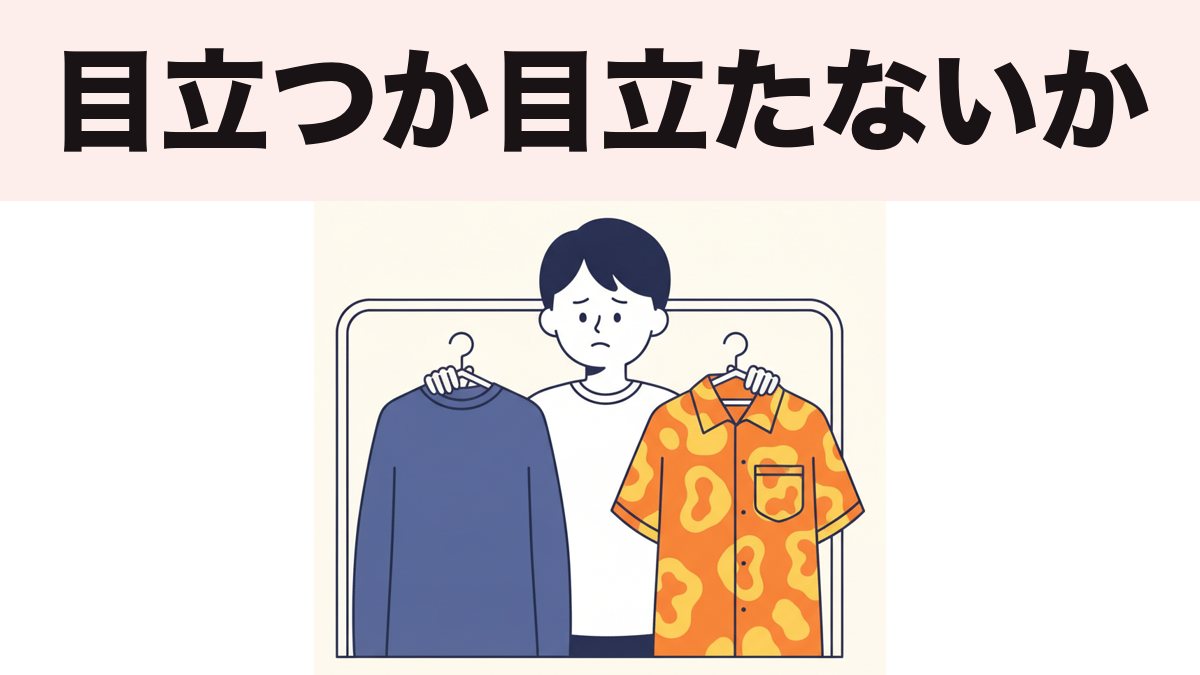
地味 (じみ) and 派手 (はで) are a matched pair describing how much attention something draws — not how good it is. 地味 is not "boring" and 派手 is not "stylish"; either one can be a compliment or an insult depending entirely on what is being described.
「地味(じみ)」と「派手(はで)」は、目立つかどうかを言う言葉です。よいか悪いかではありません。「地味」は「つまらない」ではなく、「派手」は「おしゃれ」ではありません。どちらも、ほめ言葉にも、わるく言う言葉にもなります。
This pair is worth learning as a pair, because the moment you have both, a whole category of Japanese opinion becomes available to you: taste, clothing, personality, acting, design, a football team's playing style. It is also one of the easiest ways for a learner to accidentally insult someone, because the English words the dictionary offers are loaded in ways the Japanese words are not.
The basics
What does 地味 mean?
Understated. Low-key. Not drawing attention. It describes the volume of something, not its quality.
地味な服が好きです。 — I like understated clothes. (polite — a preference, not a complaint) 地味だけど、いい映画だった。 — It was low-key, but a good film. (casual)
The kanji are 地 (ground) and 味 (flavour) — the taste of the earth, which is a fair description of the register. It is a な-adjective, so 地味な服 and 地味です both work normally.
And 派手?
Loud. Showy. Drawing attention on purpose.
派手なシャツですね。 — That's quite a loud shirt. (polite — and genuinely ambiguous) 派手に転んだ。 — He fell spectacularly. (casual — 派手に as an adverb)
派手に as an adverb is very common and means "in a big, conspicuous way": 派手に転ぶ, 派手に負ける, 派手に使う. It does not require the thing itself to be colourful.
Neither one is a verdict
This is the part the dictionary hides. Both words are neutral about quality, and the speaker's opinion arrives through tone and context rather than through the word choice.
地味な仕事です。 — It's unglamorous work. (could be modest, could be proud) 地味にすごい。 — Quietly impressive. (casual — a genuine compliment)
地味にすごい is worth memorising as a unit. It means something is more impressive than it looks, and it is a common and warm thing to say. Once you have heard it, the idea that 地味 means "boring" stops being tenable.
Beyond the basics
地味 about a person
Applied to someone's appearance or manner, 地味 is usually descriptive rather than negative, but it is not a compliment either. 地味な人 reads as someone who does not stand out, which in a Japanese social context is closer to safe than to dull.
彼女は地味なタイプです。 — She's the understated type. (polite, descriptive)
Said about a person to their face it can still sting, in the same way "you're very low-key" can in English. The safer compliments for someone's manner are in Japanese personality adjectives.
The adverb 地味に
地味に has drifted in casual speech into something close to "actually" or "low-key" in current English slang.
これ、地味に高い。 — This is low-key expensive. (casual) 地味に疲れた。 — I'm quietly worn out. (casual)
The pattern is "more than you would expect from how it looks". It is very common in spoken Japanese among younger speakers, and it is the kind of usage that never appears in a textbook.
The neighbours: ありきたり, マイナー, 渋い
Three words that get confused with 地味, and each means something different.
| Word | Means | Charge |
|---|---|---|
| 地味 | Understated, low-key | Neutral |
| ありきたり | Ordinary, clichéd, nothing new | Negative |
| マイナー | Little-known, niche | Neutral to slightly negative |
| 渋い | Restrained in a way that shows taste | Positive |
渋い is the one worth chasing. It describes understatement that is good — an older actor, a well-worn leather jacket, a bar with no sign. If you want to compliment something for being low-key, 渋い is the word, not 地味.
渋い店ですね。 — That's a tasteful, unshowy place. (polite — a compliment) ありきたりな話だった。 — It was a clichéd story. (casual — a criticism)
派手 outside of clothes
派手 covers anything conspicuous: spending, an argument, a failure, a football team's attacking style.
派手にお金を使う。 — To spend money conspicuously. (casual, mildly critical)
Because 派手 draws attention, and attention is not neutral in Japanese social terms, the word tilts slightly negative more often than 地味 does. 派手な人 is closer to a judgement than 地味な人 is.
地味 and 派手 are both な-adjectives: 地味な服, 派手な色. If that pattern is new, see い-adjectives vs な-adjectives.
Common mistakes
- Translating 地味 as "boring". It means low-key. つまらない is boring, and they are not interchangeable.
- Using 地味 as a compliment to someone's face. It is descriptive, not flattering. For praise, use 渋い or a personality adjective.
- Treating 派手 as "stylish". おしゃれ is stylish. 派手 is loud, which may or may not be the same thing.
- Forgetting they are な-adjectives. 地味な服, 派手な色 — the な is required before a noun.
- Missing 地味に in speech. It usually means "more than it looks", not "in a plain manner".
The attention scale
| Word | Attention drawn | Typical use |
|---|---|---|
| 派手 | High, on purpose | 派手な服, 派手に使う |
| おしゃれ | Varies — about taste, not volume | おしゃれなカフェ |
| 渋い | Low, and tasteful | 渋い店, 渋い俳優 |
| 地味 | Low | 地味な服, 地味な仕事 |
| ありきたり | Low, and unoriginal | ありきたりな話 |
FAQ
Is 地味 rude? Not inherently, but it is not praise. About an object it is neutral; about a person to their face it can land as faint criticism.
What is the best word for "plain but tasteful"? 渋い. It specifically means understatement that shows taste, which is what English speakers usually mean when they say "understated" approvingly.
Is 派手 always negative? No. For a festival, a stage costume or a celebration it is straightforwardly positive. For everyday clothes or spending habits it tilts critical.
What does 地味にすごい mean? "Quietly impressive" — more impressive than it looks. It is a compliment and a very common one.
Are they い-adjectives or な-adjectives? Both are な-adjectives: 地味な, 派手な. The final み and で are part of the word, not an い ending.
Can I use 地味 about my own work? Yes, and it is a natural modest register: 地味な仕事です presents your work as unglamorous without putting it down.
Practice
Build each answer before opening it. Questions 3 and 4 are a pair — the difference between describing and praising.
1. Say "I like understated clothes."
Show answer
地味な服が好きです — な is required before a noun. 地味 is a な-adjective.
2. Something is wrong here: 地味い服が好きです。
Show answer
地味な服が好きです — the み is part of the word, not an い ending.
3. Describe a bar as low-key, as a fact.
Show answer
地味な店です — descriptive, no praise attached. This is the pair to question 4.
4. Compliment the same bar for being low-key.
Show answer
渋い店ですね — 渋い is understatement that shows taste. This is the pair to question 3.
5. Translate: 地味にすごい。
Show answer
Quietly impressive — more impressive than it looks. This is a compliment.
6. Translate: これ、地味に高い。
Show answer
This is low-key expensive — 地味に in casual speech means "more than you'd expect", not "in a plain way".
7. Say "he fell spectacularly."
Show answer
派手に転んだ — 派手に as an adverb means "in a big, conspicuous way".
8. Criticise a story for being clichéd.
Show answer
ありきたりな話だった — ありきたり is the negative one. 地味 would only say it was low-key.
9. Which word means "stylish": 派手 or おしゃれ?
Show answer
おしゃれ — 派手 means loud, which is a different claim.
10. Describe your own job modestly.
Show answer
地味な仕事です — unglamorous, without putting it down. A natural modest register.
Vocabulary from this article
Tap the block to select all of it, then copy. In Anki: File → Import, note type Basic, separator Tab — the first column becomes the front, the second the back.
地味	じみ — understated, low-key
派手	はで — flashy, conspicuous
渋い	しぶい — tastefully restrained; bitter
ありきたり	ありきたり — ordinary, clichéd
おしゃれ	おしゃれ — stylish, fashionable
服	ふく — clothes
色	いろ — colour
仕事	しごと — work, job
映画	えいが — film
店	みせ — shop, bar, restaurant
転ぶ	ころぶ — to fall over
使う	つかう — to use, to spend
高い	たかい — expensive; tall
疲れる	つかれる — to get tired
俳優	はいゆう — actor
好き	すき — liked, favourite
I'm Yuuki, a Japanese teacher based in Tokyo. I've taught on italki as a Top 1% teacher and watched over 1,500 anime. 地味 is the word my students most often use as an insult without meaning to — the fix is one extra word, 渋い, and suddenly the same observation becomes a compliment.
Sources: the author's own lessons and standard reference grammars.
二つ一緒におぼえてください。二つそろうと、いろいろな意見が言えるようになります。服、せいかく、えんぎ、デザイン、サッカーのやり方などです。じしょの英語の言葉は少し意味がちがうので、気をつけないと、うっかり失礼になります。
基本
「地味」の意味
目立たない、おちついている、という意味です。よい・悪いは言っていません。
地味な服が好きです。 — I like understated clothes. (polite — a preference, not a complaint) 地味だけど、いい映画だった。 — It was low-key, but a good film. (casual)
漢字は「地」と「味」です。「な」の形容詞なので、「地味な服」「地味です」になります。
「派手」の意味
目立つ、はなやか、という意味です。
派手なシャツですね。 — That's quite a loud shirt. (polite — and genuinely ambiguous) 派手に転んだ。 — He fell spectacularly. (casual — 派手に as an adverb)
「派手に」の形もよく使います。「派手に転ぶ」「派手に負ける」「派手に使う」。色の話でなくても使えます。
どちらも「よい・悪い」ではない
ここがじしょに出ないところです。どちらの言葉も、よい・悪いを言っていません。気もちは、言い方と場面で伝わります。
地味な仕事です。 — It's unglamorous work. (could be modest, could be proud) 地味にすごい。 — Quietly impressive. (casual — a genuine compliment)
「地味にすごい」はそのままおぼえてください。「見た目よりすごい」という意味で、ほめ言葉です。
もう少しくわしく
人に使う「地味」
見た目やようすに使うと、わるい意味ではありませんが、ほめ言葉でもありません。「目立たない人」という意味です。
彼女は地味なタイプです。 — She's the understated type. (polite, descriptive)
本人に向かって言うと、少しきずつけることがあります。→ せいかくを言う言葉
「地味に」の新しい使い方
若い人の会話では「思ったより」という意味で使います。
これ、地味に高い。 — This is low-key expensive. (casual) 地味に疲れた。 — I'm quietly worn out. (casual)
「見た目よりも〜だ」という形です。教科書には出ません。
にている言葉: ありきたり・マイナー・渋い
| 言葉 | 意味 | 気もち |
|---|---|---|
| 地味 | 目立たない | どちらでもない |
| ありきたり | ふつうすぎる・新しくない | マイナス |
| マイナー | あまり知られていない | 少しマイナス |
| 渋い | おちついていて、よい | プラス |
「渋い」はおぼえるねうちがあります。「目立たないけれど、いい」という意味です。年上のはいゆう、古い革のジャケット、かんばんのない店などです。
渋い店ですね。 — That's a tasteful, unshowy place. (polite — a compliment) ありきたりな話だった。 — It was a clichéd story. (casual — a criticism)
服いがいの「派手」
お金の使い方、けんか、しっぱい、サッカーのせめ方にも使えます。
派手にお金を使う。 — To spend money conspicuously. (casual, mildly critical)
目立つことは、日本ではあまりよく思われないこともあります。だから「派手な人」は「地味な人」より、はんだんの入った言い方になります。
よくあるまちがい
- 「地味」」「つまらない」だと思う。「つまらない」は別の言葉です。
- 本人に「地味ですね」と言う。 ほめ言葉ではありません。ほめるなら「渋い」です。
- 「派手」」「おしゃれ」だと思う。「おしゃれ」は別の言葉です。
- 「な」をわすれる。「地味な服」「派手な色」です。
- 会話の「地味に」を見おとす。「思ったより」という意味です。
目立つ度合い
| 言葉 | 目立ち方 | 使い方 |
|---|---|---|
| 派手 | 高い(わざと) | 派手な服・派手に使う |
| おしゃれ | 度合いではなく、しゅみの話 | おしゃれなカフェ |
| 渋い | 低い、そしてよい | 渋い店・渋い俳優 |
| 地味 | 低い | 地味な服・地味な仕事 |
| ありきたり | 低い、そして新しくない | ありきたりな話 |
よくある質問
「地味」は失礼? 言葉じたいは失礼ではありません。でも、ほめ言葉でもありません。
「目立たないけれどよい」は何と言う? 「渋い」です。
「派手」はいつもマイナス? いいえ。おまつり、ぶたいのいしょう、おいわいならプラスです。
「地味にすごい」とは? 「見た目よりすごい」という意味のほめ言葉です。とてもよく使います。
「い」の形容詞?「な」の形容詞? どちらも「な」の形容詞です。「地味な」「派手な」。
自分の仕事に使える? 使えます。「地味な仕事です」は、じぶんを下げすぎない、ひかえめな言い方です。
練習
答えを見る前に、自分で作ってください。3番と4番はペアです。
1. 「地味な服が好きです」と言う。
答えを見る
地味な服が好きです — 名前の前には「な」が必要です。
2. まちがいをなおす: 地味い服が好きです。
答えを見る
地味な服が好きです — 「み」は言葉の一部で、「い」の形容詞ではありません。
3. 店を「目立たない」と、ただ言う。
答えを見る
地味な店です — ほめてはいません。4番とペアです。
4. 同じ店を、目立たないところをほめて言う。
答えを見る
渋い店ですね — 「渋い」は「目立たないけれどよい」です。3番とペアです。
5. やくす: 地味にすごい。
答えを見る
見た目よりすごい — ほめ言葉です。
6. やくす: これ、地味に高い。
答えを見る
思ったより高い — 会話の「地味に」は「思ったより」です。
7. 「派手に転んだ」と言う。
答えを見る
派手に転んだ — 「派手に」は「大きく・目立つように」です。
8. 話を「ふつうすぎる」とわるく言う。
答えを見る
ありきたりな話だった — マイナスの言葉です。「地味」は目立たないと言うだけです。
9. 「おしゃれ」なのはどちら? 「派手」「おしゃれ」
答えを見る
おしゃれ — 「派手」は目立つという意味です。
10. 自分の仕事をひかえめに言う。
答えを見る
地味な仕事です — 下げすぎない、ひかえめな言い方です。
この記事に出た単語
上のブロックをタップしてぜんぶ選んで、コピーしてください。Ankiでは ファイル → インポート、ノートタイプは 基本、区切りは タブ です。左が表、右がうらになります。
地味	じみ — understated, low-key
派手	はで — flashy, conspicuous
渋い	しぶい — tastefully restrained; bitter
ありきたり	ありきたり — ordinary, clichéd
おしゃれ	おしゃれ — stylish, fashionable
服	ふく — clothes
色	いろ — colour
仕事	しごと — work, job
映画	えいが — film
店	みせ — shop, bar, restaurant
転ぶ	ころぶ — to fall over
使う	つかう — to use, to spend
高い	たかい — expensive; tall
疲れる	つかれる — to get tired
俳優	はいゆう — actor
好き	すき — liked, favourite
More drills like the ones above, plus a timed JLPT-style mock test: Practice · N4上のような練習問題と、時間つきのJLPT形式のもぎ試験: 練習ページ · N4
Want to try this in a real conversation?
本当の会話で、ためしてみませんか?
30-minute trial lesson, $13. Times shown in your own timezone.
30分の体験レッスン、$13。時間はあなたのタイムゾーンで表示されます。
Book a trial lesson · $13