Japanese sarcasm: 皮肉, 嫌味, and why "すごいですね" can be an insult皮肉・嫌味・自虐: どうして「すごいですね」が悪口になるのか
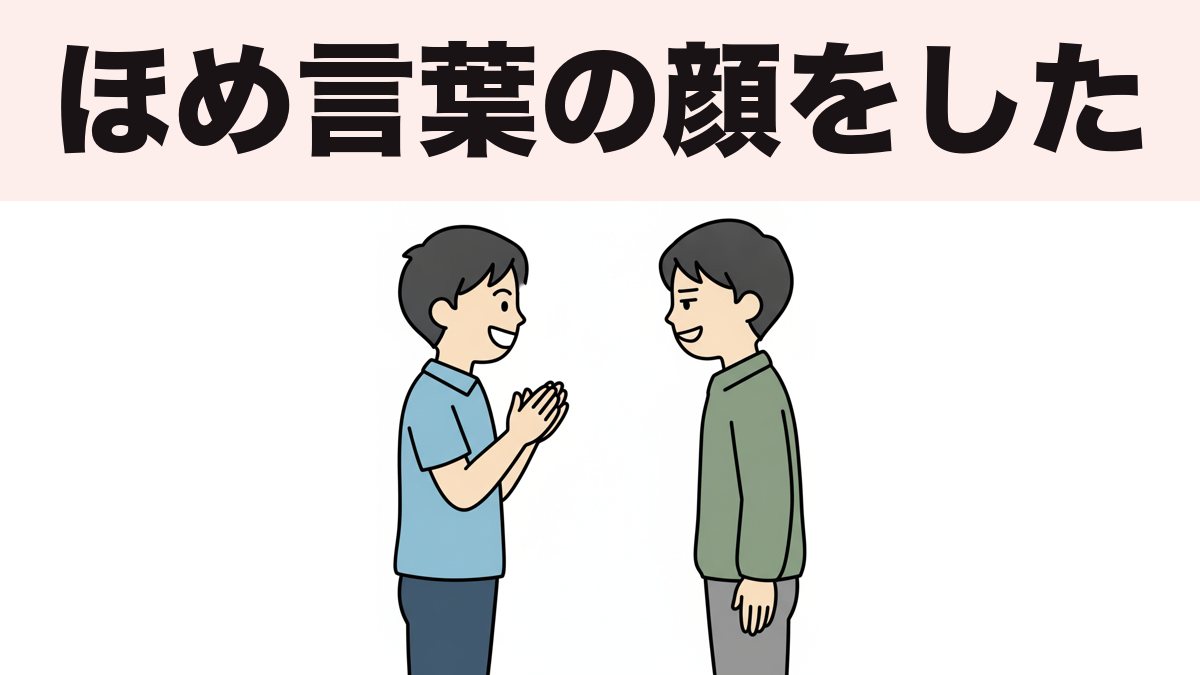
Japanese absolutely has sarcasm. It just does not signal it the way English does. English inverts the tone of voice; Japanese usually keeps the tone perfectly sincere and inverts the *register* instead — too polite, too impressed, too obvious. That is why learners hear 皮肉 and register only a compliment.
日本語にも皮肉はあります。ただし、合図の出し方が英語とちがいます。英語は声の調子をひっくり返します。日本語は声をまじめなままにして、代わりに「ていねいさの高さ」をひっくり返します。ていねいすぎる、ほめすぎる、分かりきったことを言う。だから学習者は、皮肉をほめ言葉として聞いてしまいます。
The common claim that "Japanese people don't do sarcasm" comes from this mismatch. The signal is there, it is just carried by politeness level and context rather than by a drawl. Once you know where to listen, you start hearing it constantly — and, more usefully, you stop accidentally producing it.
The basics
Three words that are not the same thing
English lumps these together. Japanese separates them, and the difference decides how bad it is.
| Word | What it is | How it lands |
|---|---|---|
| 皮肉(ひにく) | Irony — saying the opposite of the truth | Can be witty, can be cutting |
| 嫌味(いやみ) | A barbed remark aimed at someone | Always unpleasant, always personal |
| 自虐(じぎゃく) | Self-deprecation, a dig at yourself | Usually friendly, defuses tension |
| 当てこすり | An indirect dig — criticising A while ostensibly discussing B | Cowardly-feeling, avoidable |
皮肉なことに、急いだせいで遅れました。 — Ironically, rushing is what made me late. (polite, 皮肉 used descriptively, no attack) それ、嫌味? — Is that a dig? (casual, asking someone to confirm they were being nasty)
Note that 皮肉 has a neutral descriptive use — "ironically" — the way English "irony" does. 嫌味 never does. If someone asks それ嫌味?, you have been accused of something.
The tone stays sincere
This is the part that breaks English speakers' detection. In English, sarcasm is announced by the voice: flattened, slowed, exaggerated. In Japanese the delivery is usually flat-out normal, and the sarcasm lives in the gap between what was said and what everyone can see.
さすがですね。 — How impressive, as expected of you. (polite on its face; said after an obvious failure, it is a knife) へえ、すごいですね。 — Oh, wow, amazing. (polite; said with minimal engagement after someone brags, it is dismissal)
Neither sentence contains a single negative word. What makes them sarcastic is that they are too large for the moment. A listener who only parses vocabulary hears praise; a listener parsing the fit between words and situation hears the opposite.
Excessive politeness is aggression
The most distinctly Japanese sarcasm mechanism is climbing the politeness ladder for no reason. Dropping suddenly into stiff keigo with a friend, or into ultra-formal forms with a colleague you normally speak casually with, reads as cold anger.
ご親切にどうもありがとうございます。 — Thank you so very much for your kindness. (said to someone who was not kind at all — the formality is the attack) 恐れ入りますが、もう一度おっしゃっていただけますか。 — I beg your pardon, might you repeat that? (hyper-formal; used against a peer, it is "excuse me?")
This is the opposite of the English instinct, where formality signals respect and casualness signals anger. In Japanese, an abrupt jump up the politeness ladder is a recognised way of putting distance between you and someone who has annoyed you.
Beyond the basics
The famous indirect compliment
There is a well-known style of remark — strongly associated with Kyoto, and used as shorthand for indirectness all over Japan — where a compliment functions as a complaint.
ええ時計してはりますな。 — That's a fine watch you're wearing. (regional politeness; in context, "you have been checking the time, please leave")
Whether any individual actually talks this way matters less than the fact that every Japanese speaker knows the joke, and knows what it means about indirect criticism. It is the clearest illustration of the principle: the words are pure praise, the meaning is get out. For the regional-speech side of this, see Japanese dialects.
自虐: sarcasm pointed at yourself
Self-deprecation is far more socially normal in Japan than sarcasm aimed at others, and learners underuse it badly.
どうせ私は不器用ですから。 — Well, I'm clumsy, so. (casual, どうせ marks the self-deprecation) すみません、口だけは達者で。 — Sorry, all talk and no action, that's me. (polite, self-mocking)
The function is social lubrication: it lowers you slightly, which lets the other person relax and disagree. It is also the safe version of this whole skill set — 自虐 has almost no chance of wounding anybody, while 嫌味 always might. If you want to sound like a person with a sense of humour in Japanese, start here rather than with irony.
There is a limit. Constant 自虐 stops being funny and becomes a demand for reassurance, which is exhausting in any language.
The phrases that mark a dig
A handful of set phrases exist mainly to deliver or call out sarcasm.
よく言うよ。 — Look who's talking. (casual, calling out hypocrisy) どの口が言うんだ。 — With what mouth are you saying that? (casual, sharper) ご立派ですね。 — How very admirable. (polite in form, almost always sarcastic in use) はいはい、すごいすごい。 — Yeah yeah, amazing, amazing. (casual, the doubling is the sarcasm)
That last mechanic is worth noting on its own: repeating a word of praise twice, quickly, converts it into dismissal. はい alone is fine; はいはい is "yes, yes, whatever." Repetition is the closest thing Japanese has to English sarcastic intonation.
How does it sound in anime?
Anime is the easiest place to learn this, because characters are exaggerated enough that the gap between words and situation is obvious. The tsundere archetype runs almost entirely on inverted statements, and the weary, unimpressed reaction — やれやれ and its relatives — is the sound of a character declining to engage with someone's self-importance.
Be careful about one thing: anime sarcasm is louder than real sarcasm. Characters deliver 皮肉 with a smirk and a pause, because the audience needs to catch it. A colleague will deliver the same line with a completely straight face and move on.
Why learners miss it — and when it matters
Three reasons, in order of how often they bite. You are still decoding vocabulary and have no processing budget left for context. You expect the tonal marker and there is not one. And you assume politeness equals goodwill, so a polite sentence cannot be an attack.
Where this genuinely matters is at work. A line like 「さすが、よく気がつきますね」 delivered after you have just missed something obvious is feedback, and reading it as a compliment means the feedback did not arrive. This is the same machinery as honne and tatemae: the surface is not the message, and nobody will repeat the message plainly.
Common mistakes
- Producing English-style sarcasm with English-style tone. It does not read as a joke; it reads as a strange, badly-pitched compliment, or as rudeness with no wit attached.
- Assuming a polite sentence is safe. 嫌味 wears keigo almost exclusively. Politeness tells you nothing about intent.
- Missing the doubling. はいはい, すごいすごい, そうですかそうですか — a repeated word in an otherwise polite sentence is almost always a sign you have lost the room.
- Using 皮肉 to mean "sarcastic person." 皮肉 is the remark or the irony, not the personality. 皮肉屋(ひにくや)is the person.
- Escalating with more sarcasm. Returning 嫌味 for 嫌味 is legible as an escalation in a culture that mostly declines open conflict. The usual counter is a flat, unbothered すみません or a topic change — the same soft-refusal instinct behind ちょっと.
Where the sarcasm actually lives
| Signal | Example | What it really means |
|---|---|---|
| Register jumps up | Sudden keigo to a friend | I am angry and putting distance between us |
| Praise too large for the event | さすがですね after a failure | That was not impressive |
| Doubled word | はいはい / すごいすごい | I am done listening |
| Obvious fact stated politely | ええ時計してはりますな | Please leave |
| Hypocrisy called out | よく言うよ | You are the last person who can say that |
| Aimed at yourself | どうせ私は… | Please relax, I am not a threat |
Practice
Answers are hidden — build yours first, then open. Questions 3 and 4 are a pair: the same words, two different situations.
1. Your colleague suddenly switches from casual speech to full keigo with you. What is most likely happening?
Show answer
They are annoyed with you — an unmotivated jump up the politeness ladder creates distance. In Japanese, cold anger goes up in formality, not down.
2. Translate the feel of はいはい、すごいすごい。
Show answer
"Yeah, yeah, amazing, sure." — the doubling converts praise into dismissal. This repetition is the nearest Japanese equivalent of English sarcastic intonation.
3. A colleague says さすがですね after you present work everyone liked. Sincere or sarcastic?
Show answer
Sincere — さすが fits the situation. The praise is proportionate to what happened, so there is no gap for the sarcasm to live in.
4. The same colleague says さすがですね right after you drop a file and scatter it. Sincere or sarcastic?
Show answer
Sarcastic — identical words, no tonal marker, but the praise is now far too large for the event. The gap between words and situation is the whole signal.
5. Which word would you use for a remark that is nasty and aimed at a specific person: 皮肉, 嫌味 or 自虐?
Show answer
嫌味 — 皮肉 can be neutral irony with no target, and 自虐 points at the speaker. 嫌味 is always personal and always unpleasant.
6. Someone who never helps out says 手伝ってあげようか? How would you call out the hypocrisy, casually?
Show answer
よく言うよ — "look who's talking." The sharper どの口が言うんだ exists but is closer to a real fight.
7. Say "well, I'm hopeless at this anyway" as friendly self-deprecation.
Show answer
どうせ私は下手ですから — どうせ is the marker that tells the listener this is 自虐 and not a complaint. It invites them to disagree with you.
8. Something is off here: 彼は皮肉です。
Show answer
彼は皮肉屋です — 皮肉 is the remark, not the person. 皮肉屋 is someone given to making them.
9. Someone directs 嫌味 at you in a meeting. What is the standard response?
Show answer
A flat, unbothered acknowledgement and a change of subject — returning 嫌味 escalates visibly, which is costly in a setting that avoids open conflict. すみません plus moving on is the normal move.
10. Why does ご立派ですね almost never mean what it says?
Show answer
Because it is grander than any ordinary situation deserves — 立派 is a heavy word, so applying it to a small thing makes the mismatch obvious. Genuine praise usually uses something smaller, like すごいですね or よかったです.
FAQ
Is it true that Japanese has no sarcasm? No. It has a full vocabulary for it — 皮肉, 嫌味, 当てこすり, 皮肉屋 — which is not what a language without the concept looks like. What differs is the delivery: register and context rather than tone of voice.
Should I use sarcasm in Japanese as a learner? Use 自虐 freely; it is safe and makes you sound human. Avoid 嫌味 entirely. Pointed remarks require calibration you probably do not have yet, and a miss reads as plain rudeness rather than a failed joke.
How do I tell a sincere compliment from a sarcastic one? Measure the praise against the event. Praise that fits is sincere; praise that is too big, too formal or repeated is not. Tone will not help you.
Is 嫌味 something people actually say out loud? Yes — both the remarks themselves and the word. それ嫌味? and 嫌味な人 are ordinary conversational Japanese.
Does sarcasm work in writing? Less reliably, which is why written Japanese leans on 〜(笑), ellipses and emoji to mark it. Without a shared situation, the gap that carries the sarcasm disappears.
What is the difference between 皮肉 and 当てこすり? 皮肉 can be aimed at a situation and can be admired as wit. 当てこすり is specifically indirect — criticising someone by talking about something else so you can deny it later — and it is not admired at all.
Vocabulary from this article
Tap the block to select all of it, then copy. In Anki: File → Import, note type Basic, separator Tab — the first column becomes the front, the second the back.
皮肉	ひにく — irony, sarcasm
皮肉屋	ひにくや — a sarcastic person
嫌味	いやみ — a barbed, unpleasant remark
自虐	じぎゃく — self-deprecation
当てこすり	あてこすり — an indirect dig
さすが	さすが — as expected (of someone impressive)
立派	りっぱ — splendid, admirable
親切	しんせつ — kind, kindness
恐れ入ります	おそれいります — I beg your pardon (very formal)
どうせ	どうせ — anyway, after all (often self-deprecating)
不器用	ぶきよう — clumsy, not dexterous
達者	たっしゃ — skilled; in good health
時計	とけい — watch, clock
手伝う	てつだう — to help out
気がつく	きがつく — to notice
遅れる	おくれる — to be late
急ぐ	いそぐ — to hurry
下手	へた — bad at something
本音	ほんね — one's real feelings
建前	たてまえ — the public position
I'm Yuuki, a Japanese teacher based in Tokyo. I've taught on italki as a Top 1% teacher and watched over 1,500 anime. Students ask about this one after the fact — something was said at work, it sounded like a compliment, and a week later they realised it was not. The fix is not vocabulary; it is learning to measure the praise against the situation.
Sources: the author's own lessons and standard reference grammars.
「日本人は皮肉を言わない」とよく言われます。これは合図のちがいから来ています。合図はあります。声ではなく、ていねいさと場面が運んでいるだけです。聞く場所が分かると、あちこちで聞こえるようになります。そして、もっと大事なことに、自分でうっかり言わなくなります。
基本
同じではない3つの言葉
英語では1つにまとめます。日本語は分けます。そして、そのちがいが「どのくらいひどいか」を決めます。
| 言葉 | 何か | どう届くか |
|---|---|---|
| 皮肉(ひにく) | 本当と反対のことを言う | うまい時もあり、きつい時もある |
| 嫌味(いやみ) | 人に向けたとげのある一言 | いつも不快で、いつも個人的 |
| 自虐(じぎゃく) | 自分を下げて言う | だいたい親しみがあり、場がやわらぐ |
| 当てこすり | 別の話をしながら人を責める | ずるい感じがして、さけたい |
皮肉なことに、急いだせいで遅れました。 — Ironically, rushing is what made me late. (polite, 皮肉 used descriptively, no attack) それ、嫌味? — Is that a dig? (casual, asking someone to confirm they were being nasty)
「皮肉」には、英語の irony と同じように、ただの説明の使い方もあります。「嫌味」にはありません。「それ嫌味?」と聞かれたら、あなたは責められています。
声はまじめなままです
ここで英語話者のセンサーが働かなくなります。英語では、声が皮肉を知らせます。平らにして、ゆっくりにして、大げさにします。日本語では、話し方はふつうのままです。皮肉は「言ったこと」と「みんなに見えていること」のすきまに入っています。
さすがですね。 — How impressive, as expected of you. (polite on its face; said after an obvious failure, it is a knife) へえ、すごいですね。 — Oh, wow, amazing. (polite; said with minimal engagement after someone brags, it is dismissal)
どちらの文にも、悪い言葉は1つもありません。皮肉になるのは、その場に対して言葉が大きすぎるからです。単語だけ聞く人にはほめ言葉に聞こえます。言葉と場面が合っているかを見る人には、反対に聞こえます。
ていねいすぎるのは攻撃です
日本語らしい皮肉の作り方は、理由もなくていねいさを上げることです。友だちに急にかたい敬語を使う、いつもカジュアルに話す同僚にとても正式な形を使う。これは冷たい怒りとして読まれます。
ご親切にどうもありがとうございます。 — Thank you so very much for your kindness. (said to someone who was not kind at all — the formality is the attack) 恐れ入りますが、もう一度おっしゃっていただけますか。 — I beg your pardon, might you repeat that? (hyper-formal; used against a peer, it is "excuse me?")
英語の感覚とは反対です。英語では、ていねいさは敬意、くだけた話し方は怒りです。日本語では、急にていねいさを上げるのが、いやな相手と自分の間にきょりを作るやり方です。
もう少し先へ
有名な「ほめているのに苦情」
京都と強く結びついた言い方があります。日本のどこでも「遠回しな言い方」の代表として使われます。ほめ言葉が苦情としてはたらきます。
ええ時計してはりますな。 — That's a fine watch you're wearing. (regional politeness; in context, "you have been checking the time, please leave")
本当にそう話す人がいるかどうかより、大事なことがあります。日本語を話す人はみんなこの話を知っていて、「遠回しな批判」の意味も知っています。言葉は完全なほめ言葉で、意味は「帰ってください」です。地域の言葉については 方言 を見てください。
自虐: 自分に向ける皮肉
自分を下げる言い方は、人に向ける皮肉よりずっとふつうです。学習者は使わなさすぎます。
どうせ私は不器用ですから。 — Well, I'm clumsy, so. (casual, どうせ marks the self-deprecation) すみません、口だけは達者で。 — Sorry, all talk and no action, that's me. (polite, self-mocking)
はたらきは、場をなめらかにすることです。自分を少し下げると、相手が楽になって、否定しやすくなります。安全でもあります。「自虐」は人を傷つけることがほとんどありません。「嫌味」はいつもその危険があります。日本語でユーモアのある人だと思われたいなら、皮肉ではなく、ここから始めてください。
ただし限度があります。自虐ばかりだと、おもしろさが消えて、「なぐさめてほしい」という要求になります。それはどの言語でもつかれます。
皮肉の目印になる決まり文句
皮肉を言う時、または皮肉を指摘する時の決まり文句があります。
よく言うよ。 — Look who's talking. (casual, calling out hypocrisy) どの口が言うんだ。 — With what mouth are you saying that? (casual, sharper) ご立派ですね。 — How very admirable. (polite in form, almost always sarcastic in use) はいはい、すごいすごい。 — Yeah yeah, amazing, amazing. (casual, the doubling is the sarcasm)
最後のしくみは覚える価値があります。ほめ言葉を2回続けて速く言うと、意味が「もういい」に変わります。「はい」はふつうです。「はいはい」は「はいはい、わかったわかった」です。くり返しは、日本語で英語の皮肉な声の調子にいちばん近いものです。
アニメではどう聞こえますか
アニメはこれを学ぶのに一番いい場所です。キャラクターが大げさなので、言葉と場面のすきまがはっきり見えます。ツンデレは、ほとんど「反対のことを言う」だけで動いています。つかれた、感心していない反応 — やれやれ のたぐい — は、相手の自慢に付き合わない音です。
1つ注意があります。アニメの皮肉は、実際の皮肉より大きいです。キャラクターはにやっと笑い、間を置いて言います。見る人に気づかせるためです。同僚は同じセリフをまったくの真顔で言って、そのまま次の話に行きます。
どうして学習者は気づかないのか
理由は3つで、多い順に並べます。まだ単語を読み取るのにせいいっぱいで、場面を見る余裕がない。声の合図を待っているが、それが無い。ていねいさていねいさ好意だと思っているので、ていねいな文が攻撃だと考えない。
本当に困るのは仕事の場面です。分かりやすいミスをした直後の「さすが、よく気がつきますね」は、フィードバックです。ほめ言葉として受け取ると、そのフィードバックは届きません。本音と建前 と同じしくみです。表面はメッセージではなく、だれもはっきり言い直してはくれません。
よくあるまちがい
- 英語の調子で英語式の皮肉を言う。 冗談には聞こえません。変な、ずれたほめ言葉か、おもしろみのない失礼に聞こえます。
- ていねいな文は安全だと思う。 「嫌味」はほとんどいつも敬語を着ています。ていねいさは気持ちを教えてくれません。
- くり返しに気づかない。 「はいはい」「すごいすごい」「そうですかそうですか」。ていねいな文の中のくり返しは、たいてい「もう聞いていない」の合図です。
- 「皮肉」を人の意味で使う。 「皮肉」は言葉や状況のことです。人は「皮肉屋(ひにくや)」です。
- 皮肉に皮肉で返す。 「嫌味」に「嫌味」で返すと、はっきりした争いに見えます。ふつうの返し方は、平らな「すみません」と話題を変えることです。ちょっと の断り方と同じ考え方です。
皮肉はどこにいるか
| 合図 | 例 | 本当の意味 |
|---|---|---|
| ていねいさが急に上がる | 友だちに急に敬語 | 怒っていて、きょりを取りたい |
| 場面に対してほめ方が大きい | 失敗の後の「さすがですね」 | すごくなかった |
| 言葉のくり返し | はいはい/すごいすごい | もう聞いていない |
| 分かりきったことをていねいに言う | ええ時計してはりますな | 帰ってください |
| ずるさを指摘する | よく言うよ | あなたが言える立場ではない |
| 自分に向ける | どうせ私は… | 心配しないで、私は敵ではありません |
練習
答えはかくしてあります。先に自分で考えてから開いてください。3と4は1つのセットです。同じ言葉、ちがう場面です。
1. 同僚が急にカジュアルな話し方から完全な敬語に変わりました。たぶん何が起きていますか。
答えを見る
あなたに怒っています — 理由のない「ていねいさの上げ」はきょりを作ります。日本語の冷たい怒りは、下ではなく上に動きます。
2. 「はいはい、すごいすごい」はどんな感じですか。
答えを見る
「はいはい、すごいね、もういいよ」 — くり返しがほめ言葉を切り捨てに変えます。これは英語の皮肉な声の調子にいちばん近いしくみです。
3. みんなが良いと言った発表のあとで、同僚が「さすがですね」と言いました。本気ですか、皮肉ですか。
答えを見る
本気です — 「さすが」が場面に合っています。ほめ方が出来事とつり合っているので、皮肉の入るすきまがありません。
4. 書類を落としてばらまいた直後に、同じ人が「さすがですね」と言いました。本気ですか、皮肉ですか。
答えを見る
皮肉です — 言葉はまったく同じで、声の合図もありません。でも、ほめ方が出来事に対して大きすぎます。そのすきまが合図そのものです。
5. 特定の人に向けた、いやな一言はどれですか: 皮肉/嫌味/自虐。
答えを見る
嫌味 — 「皮肉」は相手のいない、ただの皮肉にもなります。「自虐」は自分に向きます。「嫌味」はいつも個人的で、いつも不快です。
6. ふだん何も手伝わない人が「手伝ってあげようか?」と言いました。カジュアルに指摘してください。
答えを見る
よく言うよ — 「あなたが言うのか」という意味です。「どの口が言うんだ」はもっと強く、本当のけんかに近くなります。
7. 「まあ、どうせ私はこれが下手ですけどね」を自虐として言ってください。
答えを見る
どうせ私は下手ですから — 「どうせ」が「これは自虐で、苦情ではない」という目印です。相手が否定しやすくなります。
8. まちがいを直してください: 彼は皮肉です。
答えを見る
彼は皮肉屋です — 「皮肉」は言葉のことで、人のことではありません。よく皮肉を言う人は「皮肉屋」です。
9. 会議で嫌味を言われました。ふつうの返し方は何ですか。
答えを見る
平らに受けて、話題を変える — 嫌味を返すと、争いが見える形になります。それは高くつきます。「すみません」と言って先へ進むのがふつうです。
10. どうして「ご立派ですね」はほとんど言葉どおりの意味になりませんか。
答えを見る
ふつうの場面には大きすぎる言葉だから — 「立派」は重い言葉です。小さいことに使うと、ずれがはっきり見えます。本当のほめ言葉は「すごいですね」「よかったです」のように、もっと小さい言葉を使います。
よくある質問
日本語には皮肉が無いというのは本当ですか。 ちがいます。「皮肉」「嫌味」「当てこすり」「皮肉屋」と、言葉がそろっています。概念の無い言語はこうはなりません。ちがうのは出し方で、声ではなく、ていねいさと場面が運びます。
学習者は皮肉を使ってもいいですか。 「自虐」はどんどん使ってください。安全で、人間らしく聞こえます。「嫌味」はやめてください。ねらった一言には細かい調整がいりますし、外すと冗談ではなく、ただの失礼になります。
本気のほめ言葉と皮肉をどう見分けますか。 ほめ方を出来事と比べてください。つり合っていれば本気です。大きすぎる、ていねいすぎる、くり返している時はちがいます。声は助けになりません。
「嫌味」は実際に口に出す言葉ですか。 はい。言われる一言も、「嫌味」という単語も使います。「それ嫌味?」「嫌味な人」はふつうの会話です。
書いた文でも皮肉は通じますか。 通じにくいです。だから日本語の文章では「(笑)」や「…」、絵文字で合図します。同じ場面を共有していないと、皮肉を運ぶすきまが消えるからです。
「皮肉」と「当てこすり」のちがいは何ですか。 「皮肉」は状況に向けることもでき、うまいと感心されることもあります。「当てこすり」は遠回しに人を責める言い方で、後で「そんなつもりはない」と言えるようにしてあります。感心はされません。
この記事に出た単語
ブロックをタップして全部を選び、コピーしてください。Anki では File → Import、ノートタイプは Basic、区切りは Tab です。左が表、右が裏になります。
皮肉	ひにく — irony, sarcasm
皮肉屋	ひにくや — a sarcastic person
嫌味	いやみ — a barbed, unpleasant remark
自虐	じぎゃく — self-deprecation
当てこすり	あてこすり — an indirect dig
さすが	さすが — as expected (of someone impressive)
立派	りっぱ — splendid, admirable
親切	しんせつ — kind, kindness
恐れ入ります	おそれいります — I beg your pardon (very formal)
どうせ	どうせ — anyway, after all (often self-deprecating)
不器用	ぶきよう — clumsy, not dexterous
達者	たっしゃ — skilled; in good health
時計	とけい — watch, clock
手伝う	てつだう — to help out
気がつく	きがつく — to notice
遅れる	おくれる — to be late
急ぐ	いそぐ — to hurry
下手	へた — bad at something
本音	ほんね — one's real feelings
建前	たてまえ — the public position
私はユウキです。東京で日本語を教えています。 italki の Top 1% の先生で、アニメは1,500本以上見ました。この話は、あとから質問されます。仕事で何か言われて、ほめ言葉に聞こえて、1週間後にちがったと気づく。直し方は単語ではありません。ほめ方と場面を比べる習慣です。
More drills like the ones above, plus a timed JLPT-style mock test: Practice · N3上のような練習問題と、時間つきのJLPT形式のもぎ試験: 練習ページ · N3
Want to try this in a real conversation?
本当の会話で、ためしてみませんか?
30-minute trial lesson, $13. Times shown in your own timezone.
30分の体験レッスン、$13。時間はあなたのタイムゾーンで表示されます。
Book a trial lesson · $13