大丈夫 (daijoubu): the word that means yes, no, and "are you okay?大丈夫: 「はい」にも「いいえ」にもなる言葉
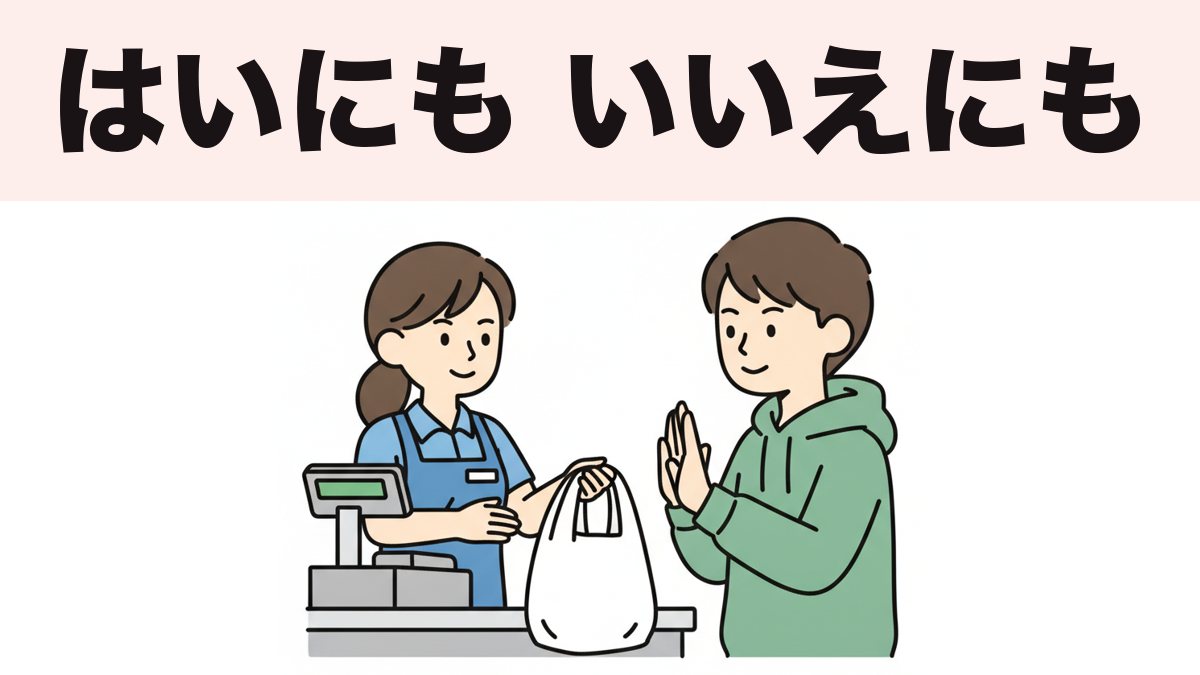
大丈夫 means "fine / all right / no problem," but in modern spoken Japanese 大丈夫です is just as often a soft refusal — "no thanks" — and the only reliable way to tell is the situation you are in.
「大丈夫」は「問題ない」という意味です。でも今の話し言葉では、「大丈夫です」は「いりません」というやわらかい断り方にもなります。どちらの意味かは、場面で決まります。
It is one of the first words learners meet and one of the last they use confidently, because a single 大丈夫です can accept an offer or decline it. Japanese speakers navigate this by context, and so can you, once you know which contexts push it which way.
The basics
What does 大丈夫 actually mean?
The core sense is "there is no problem here" — safe, unharmed, functioning, acceptable. It covers a range that English splits between several words.
大丈夫ですか。 — Are you okay? (polite, to someone who tripped, looks pale, or seems stuck) 大丈夫です。 — I'm fine. (polite, answering that question) 明日でも大丈夫ですか。 — Would tomorrow be all right? (polite, checking a plan)
The kanji are worth a glance: 大丈夫 originally described a fine, sturdy man, and the sense drifted through "reliable" to "nothing to worry about." Nothing in the modern word is about men, but the "sturdy, no cause for concern" flavour survives.
How do you ask if someone is okay?
大丈夫ですか is the standard, and the casual 大丈夫? is extremely common — a friend sees you wince and says one word.
大丈夫? — You okay? (casual, friends and family) お怪我は大丈夫ですか。 — Is your injury all right? (polite, asking about something specific)
One caution: 大丈夫ですか aimed at a superior's work can land as doubting them. Asking your boss 資料は大丈夫ですか ("are the documents okay?") reads closer to "sure you did that right?" than you intend. For that direction, 何かお手伝いできることはありますか ("is there anything I can help with?") is the safer phrasing.
Why does 大丈夫です sometimes mean "no"?
Because refusing directly is avoided, and "I'm fine [as I am]" does the job of "no thank you" without the word no. This is now the default reading at a shop counter.
袋は大丈夫です。 — I don't need a bag. (polite, declining) お箸は大丈夫ですか。 — Do you need chopsticks? (polite, the staff asking)
So the same word appears on both sides: the clerk uses it to offer, the customer uses it to decline. If you want a bag, 大丈夫です is exactly the wrong answer — say お願いします instead. This soft-refusal habit is part of a larger pattern in how to say no in Japanese, where the direct word いいえ is almost never used.
How do I make sure I am understood?
Attach something that points in one direction. A bare 大丈夫です is the ambiguous version; a 大丈夫です with a verb or a はい/いいえ in front of it is not.
はい、大丈夫です。 — Yes, that's fine. (accepting) あ、大丈夫です。ありがとうございます。 — Ah, I'm fine, thank you. (declining, warmly) お願いします。 — Yes please. (accepting an offer — the clearest option) 結構です。 — No thank you. (declining; correct but can sound curt)
The practical rule: to accept, say お願いします. To decline, say 大丈夫です. Reserve 結構です for situations where you want a firmer no, because its tone is harder than learners expect.
Beyond the basics
Which meaning is it? A table by situation
| Situation | 大丈夫です most likely means |
|---|---|
| Someone asks if you are hurt | I'm fine / unhurt |
| Shop staff offers a bag, receipt, chopsticks | No thanks |
| A friend offers you more food | No thanks, I'm full |
| Someone apologises to you | It's okay, don't worry |
| Someone asks if a time or date works | That works for me |
| Someone asks if you can do a task | I can manage it |
| Someone offers help you do want | ⚠ Ambiguous — say お願いします instead |
The pattern: after a question about your condition, it means "I'm fine." After an offer, it means "no thanks." Almost every confusing case is an offer you actually wanted to accept.
Is 大丈夫 a noun, an adjective, or what?
It is a な-adjective, which is why it behaves the way it does in longer sentences.
大丈夫な人。 — A reliable person / someone who will be fine. (な before a noun) 大丈夫じゃない。 — Not okay. (casual negative) 大丈夫でした。 — It was fine. (polite past)
The trap is the same one every な-adjective sets: no です in front of な, and the past tense goes on the copula, not the word. 大丈夫かったです does not exist. If that distinction is shaky, い-adjectives vs な-adjectives is the underlying rule.
How casual can it get?
Very. The middle syllable collapses in speech, and in text it gets shortened further.
だいじょぶ? — You okay? (casual, the everyday spoken form) 大丈夫だよ。 — I'm fine, really. (casual, reassuring) だいじょばない。 — Not okay. (joke form, treating it like a verb — young, playful, not standard)
だいじょばない is a deliberate joke and worth recognising rather than using. It shows up in casual text and manga because Japanese speakers enjoy conjugating words that cannot be conjugated.
Is there a formal version?
Yes: 大丈夫でしょうか softens a question, and 問題ございません replaces it entirely in business settings.
日程は大丈夫でしょうか。 — Would the schedule be all right? (polite, softer than 大丈夫ですか) 問題ございません。 — There is no problem. (formal, business)
In written business Japanese, 大丈夫 can read as slightly casual — 可能でしょうか or 差し支えありません often replace it. This is the same register ladder as everywhere else, and choosing a rung is the skill described in keigo vs casual.
Do Japanese people argue about this word?
They do, and the argument tells you something useful. Older speakers complain that young people use 大丈夫です for refusals where 結構です or いいえ would be clearer. The complaint is losing: in shops and restaurants the refusal sense is now ordinary from speakers of every age, including the ones complaining.
What this means for a learner is that you will meet both readings and should not treat either as an error. The safety net is the one above — say お願いします when you mean yes, and nobody can misread you.
Common mistakes
- Saying 大丈夫です when you want the thing. The commonest learner accident in a convenience store. You have politely declined the bag you needed. Use お願いします.
- Using 結構です to be polite. It is polite, but it lands firm and slightly cold. 大丈夫です is the warmer refusal.
- 大丈夫かったです. な-adjectives do not take い-adjective endings. The past is 大丈夫でした.
- Asking a superior 大丈夫ですか about their work. It reads as doubting them. Offer help instead of checking up.
- Assuming a 大丈夫 answer means everything is genuinely fine. It is also the standard way to wave off concern. If someone looks unwell and says 大丈夫です, that is a social answer, not a medical one — see how to say "I'm sick" for the vocabulary that follows.
Practice
Answers are hidden — build yours first, then open. Questions 1 and 2 are a pair: the same offer, two different intentions.
1. At a convenience store, the clerk asks 袋はいりますか. You want a bag.
Show answer
お願いします — the clear "yes please." 大丈夫です here would decline the bag you wanted, which is the single most common learner mistake with this word.
2. Same question, but you have your own bag.
Show answer
大丈夫です — the standard soft refusal. いいえ would be understood but sounds unnecessarily blunt.
3. A friend trips on the street in front of you. One word.
Show answer
大丈夫? — the casual condition question. Rising intonation carries the whole sentence.
4. Someone apologises for being five minutes late. Reassure them.
Show answer
大丈夫ですよ — the よ adds warmth and tells them there is genuinely nothing to worry about.
5. Make 大丈夫 modify the noun 人 ("a person who will be fine").
Show answer
大丈夫な人 — 大丈夫 is a な-adjective, so it takes な before a noun. 大丈夫の人 is wrong.
6. Say "it was fine" in polite past tense.
Show answer
大丈夫でした — the past goes on です, not on the adjective. 大丈夫かったです does not exist.
7. Ask a client, politely and softly, whether Friday works.
Show answer
金曜日は大丈夫でしょうか — でしょうか is softer than ですか because it leaves them room to say no.
8. Your boss asks whether you can finish by tonight, and you can.
Show answer
大丈夫です — after a question about your capacity, this reads as "I can manage it." Adding はい in front removes any doubt.
9. Say "not okay" casually.
Show answer
大丈夫じゃない — negative of a な-adjective. The polite version is 大丈夫じゃないです or 大丈夫ではありません.
10. A waiter asks if you want more water, and you do not.
Show answer
大丈夫です、ありがとうございます — refusal plus thanks. Adding the thank-you is what keeps a bare 大丈夫です from sounding abrupt.
FAQ
Is 大丈夫 rude? No. It is neutral and extremely common. Only the bare-refusal version can feel abrupt, and adding ありがとうございます fixes that entirely.
What is the difference between 大丈夫 and 結構です? Both can decline. 結構です is firmer and more formal, and it can sound cold from a customer to staff. 大丈夫です is the everyday warm refusal.
Can I use 大丈夫 to mean "okay" as in agreeing to a plan? Yes — 明日で大丈夫です means "tomorrow works for me." For plans and times, the accepting reading is the normal one.
Does 大丈夫 work in writing? In messages and casual email, yes. In formal business writing it reads slightly casual; 問題ございません or 差し支えありません are the formal equivalents.
Why do I hear だいじょぶ without the う? Ordinary spoken reduction, like "probably" becoming "probly" in English. Both spellings point at the same word, and だいじょぶ is what you will actually hear.
How do I answer 大丈夫ですか if I am not okay? いえ、ちょっと… trailing off, or 実は…, followed by what is wrong. A flat 大丈夫じゃないです is grammatical but sounds dramatic — Japanese usually softens the admission.
Vocabulary from this article
Tap the block to select all of it, then copy. In Anki: File → Import, note type Basic, separator Tab — the first column becomes the front, the second the back.
大丈夫	だいじょうぶ — fine, all right, no problem; also "no thanks"
大丈夫ですか	だいじょうぶですか — are you okay?; is it all right?
大丈夫でしょうか	だいじょうぶでしょうか — would that be all right? (softer)
大丈夫でした	だいじょうぶでした — it was fine
大丈夫じゃない	だいじょうぶじゃない — not okay (casual)
お願いします	おねがいします — yes please; I'd like that
結構です	けっこうです — no thank you (firm, formal)
問題	もんだい — problem
問題ございません	もんだいございません — there is no problem (formal)
袋	ふくろ — bag
お箸	おはし — chopsticks
怪我	けが — injury
日程	にってい — schedule, dates
差し支えありません	さしつかえありません — there is no inconvenience (formal)
実は	じつは — actually, to tell the truth
I'm Yuuki, a Japanese teacher based in Tokyo. I've taught on italki as a Top 1% teacher and watched over 1,500 anime. Every student who spends a week in Japan comes back with the same story: they said 大丈夫です at a register and did not get the thing they wanted. It is the one word where knowing the grammar does not save you — only knowing the situation does.
Sources: the author's own lessons and standard reference grammars.
学習者が最初に習う言葉なのに、いちばん最後まで自信が持てない言葉です。同じ「大丈夫です」が、受けるときにも、断るときにも使われるからです。日本の人も場面で見分けています。場面を知れば、あなたにもできます。
基本
「大丈夫」はどういう意味?
中心にあるのは「ここには問題がない」という意味です。安全、けががない、動いている、それでいい。英語ではいくつかの言葉に分かれます。
大丈夫ですか。 — Are you okay? (ていねい。つまずいた人・顔色の悪い人に) 大丈夫です。 — I'm fine. (ていねい。その答え) 明日でも大丈夫ですか。 — Would tomorrow be all right? (ていねい。予定の確認)
漢字も見てみましょう。「大丈夫」はもともと「りっぱな男の人」を表しました。そこから「たよりになる」→「心配いらない」に変わりました。今は男の人の意味はありません。でも「しっかりしていて心配いらない」感じは残っています。
「大丈夫ですか」はどう使う?
「大丈夫ですか」がふつうの形です。カジュアルな「大丈夫?」もとてもよく使います。友だちが顔をしかめたら、ひとことで聞きます。
大丈夫? — You okay? (カジュアル。友だち・家族) お怪我は大丈夫ですか。 — Is your injury all right? (ていねい。何かを決めて聞く)
1つ注意です。上の人の仕事に「大丈夫ですか」と言うと、「ちゃんとできていますか」と聞こえることがあります。上の人には「何かお手伝いできることはありますか」の方が安全です。
どうして「大丈夫です」が「いいえ」になるの?
日本語は、はっきり断ることをさけるからです。「(今のままで)問題ありません」と言えば、「いいえ」と言わずに断れます。今は、お店ではこちらの意味が先に来ます。
袋は大丈夫です。 — I don't need a bag. (ていねい。断る) お箸は大丈夫ですか。 — Do you need chopsticks? (ていねい。店の人が聞く)
同じ言葉を、店の人はすすめる時に、お客は断る時に使います。袋がほしい時に「大丈夫です」と言うと、いらないことになります。ほしい時は「お願いします」です。この断り方は 「いいえ」の言い方 と同じ考え方です。
まちがえられないように言うには?
方向のわかる言葉を足します。「大丈夫です」だけがあいまいで、前に「はい」や動詞を付ければあいまいではなくなります。
はい、大丈夫です。 — Yes, that's fine. (受ける) あ、大丈夫です。ありがとうございます。 — Ah, I'm fine, thank you. (やわらかく断る) お願いします。 — Yes please. (受ける。いちばんはっきりする) 結構です。 — No thank you. (断る。少しかたい)
覚え方は簡単です。受ける時は「お願いします」。断る時は「大丈夫です」。「結構です」は、強く断りたい時だけにします。思っているよりかたく聞こえます。
もう少し先へ
場面でわかる意味の表
| 場面 | 「大丈夫です」の意味 |
|---|---|
| けがをしていないか聞かれた | 平気です |
| 店で袋・レシート・箸をすすめられた | いりません |
| 友だちがおかわりをすすめた | もう十分です |
| あやまられた | 気にしないでください |
| 日時が合うか聞かれた | その日で問題ありません |
| できるか聞かれた | できます |
| ほしい手助けをすすめられた | ⚠ あいまい。「お願いします」と言う |
見分け方は1つです。「体の状態」を聞かれた後なら「平気です」。「すすめられた」後なら「いりません」。まよう場面は、たいてい「本当は受けたかった申し出」です。
「大丈夫」は名詞?形容詞?
「な形容詞」です。だから長い文の中でこう動きます。
大丈夫な人。 — A reliable person. (名詞の前は「な」) 大丈夫じゃない。 — Not okay. (カジュアルな否定) 大丈夫でした。 — It was fine. (ていねいな過去)
わなは、ほかの「な形容詞」と同じです。「な」の前に「です」は入りません。過去は「です」の方につきます。「大丈夫かったです」はありません。ここがあいまいなら い形容詞とな形容詞 が元のルールです。
どこまでカジュアルになる?
かなりなります。話す時は真ん中の音が短くなります。
だいじょぶ? — You okay? (カジュアル。実際によく聞く形) 大丈夫だよ。 — I'm fine, really. (カジュアル。安心させる) だいじょばない。 — Not okay. (じょうだんの形。若い言い方。正しい形ではない)
「だいじょばない」はわざとのじょうだんです。使うより、分かるようにしておく言葉です。動かせない言葉を動詞のように活用させて遊んでいます。
ていねいな形は?
「大丈夫でしょうか」でやわらかくなります。仕事では「問題ございません」に変わります。
日程は大丈夫でしょうか。 — Would the schedule be all right? (ていねい。「ですか」よりやわらかい) 問題ございません。 — There is no problem. (かたい。仕事の場面)
書く仕事の日本語では、「大丈夫」は少しくだけて見えます。「可能でしょうか」「差し支えありません」がよく使われます。この段の選び方は ていねいとカジュアルの切りかえ と同じです。
この言葉は日本でも話題になる?
なります。そして、それが役に立ちます。年上の人は「若い人は断る時に『大丈夫です』を使う。『結構です』の方がはっきりする」と言います。でも、その言い方は広がっています。お店では、どの年代の人も断る意味で使っています。
学習者にとって大事なのは、どちらの意味も来る、ということです。どちらもまちがいではありません。安全なのは上の方法です。受ける時は「お願いします」。これならまちがえられません。
よくある間違い
- ほしいのに「大丈夫です」と言う。 コンビニでいちばん多い事故です。ほしかった袋をていねいに断っています。「お願いします」を使います。
- ていねいにしようとして「結構です」。 ていねいですが、かたくて冷たく聞こえます。やわらかく断るなら「大丈夫です」です。
- 「大丈夫かったです」。 な形容詞に「かった」は付きません。過去は「大丈夫でした」です。
- 上の人の仕事に「大丈夫ですか」。 「ちゃんとできていますか」に聞こえます。手伝いを申し出る形にします。
- 「大丈夫です」を本当に平気だと思う。 心配をことわる時にも使います。顔色が悪い人の「大丈夫です」は、社会的な答えです。体の言葉は 「病気です」の言い方 にあります。
練習
答えはかくしてあります。先に自分で作ってから開いてください。1と2は同じ質問で、答えたい内容だけがちがいます。
1. コンビニで「袋はいりますか」と聞かれました。袋がほしいです。
答えを見る
お願いします — はっきりした「はい」です。ここで「大丈夫です」と言うと、ほしかった袋を断ることになります。
2. 同じ質問です。でも、自分の袋を持っています。
答えを見る
大丈夫です — ふつうのやわらかい断り方です。「いいえ」でも通じますが、少しきつく聞こえます。
3. 目の前で友だちがつまずきました。ひとことで。
答えを見る
大丈夫? — カジュアルな確認です。上がる言い方だけで質問になります。
4. 5分おくれた人があやまっています。安心させてください。
答えを見る
大丈夫ですよ — 「よ」であたたかくなり、「心配いりません」が伝わります。
5. 「大丈夫」で名詞の「人」を修飾してください。
答えを見る
大丈夫な人 — な形容詞なので、名詞の前は「な」です。「大丈夫の人」はまちがいです。
6. ていねいな過去形で「よかったです(問題なかったです)」。
答えを見る
大丈夫でした — 過去は「です」につきます。「大丈夫かったです」はありません。
7. 取引先に、やわらかく「金曜日はいかがですか」と聞きます。
答えを見る
金曜日は大丈夫でしょうか — 「でしょうか」は「ですか」よりやわらかく、断る余地を残します。
8. 上司に「今日中にできますか」と聞かれました。できます。
答えを見る
大丈夫です — できるかを聞かれた後なので「できます」の意味になります。前に「はい」を付けるともっとはっきりします。
9. カジュアルに「よくない」。
答えを見る
大丈夫じゃない — な形容詞の否定です。ていねいには「大丈夫じゃないです」「大丈夫ではありません」。
10. 店員に「お水のおかわりはいかがですか」と聞かれました。いりません。
答えを見る
大丈夫です、ありがとうございます — 断りとお礼をセットにします。お礼があると、そっけなく聞こえません。
よくある質問
「大丈夫」は失礼ですか。 失礼ではありません。ふつうの言葉です。断る時だけ、そっけなく聞こえることがあります。「ありがとうございます」を足せば大丈夫です。
「大丈夫です」と「結構です」のちがいは。 どちらも断れます。「結構です」の方がかたく、お客が店の人に使うと冷たく聞こえることがあります。「大丈夫です」はあたたかい断り方です。
予定に「いいですよ」の意味で使えますか。 使えます。「明日で大丈夫です」は「明日で問題ありません」です。日時の話では、受ける意味がふつうです。
書く時にも使えますか。 メッセージや軽いメールなら使えます。かたい仕事の文章では少しくだけて見えます。「問題ございません」「差し支えありません」がその場の形です。
「だいじょぶ」と聞こえるのはなぜ。 話す時に音が短くなるだけです。英語の probably が probly になるのと同じです。実際に聞こえるのはこちらです。
「大丈夫ですか」と聞かれて、大丈夫じゃない時は。 「いえ、ちょっと…」と止めるか、「実は…」と続けます。「大丈夫じゃないです」は正しいですが、強く聞こえます。日本語ではやわらかく言うのがふつうです。
この記事に出た単語
ブロックをタップすると全部選べます。そのままコピーしてください。Anki では ファイル → 読み込み、ノートタイプ 基本、区切り タブ。1列目が表、2列目が裏になります。
大丈夫	だいじょうぶ — fine, all right, no problem; also "no thanks"
大丈夫ですか	だいじょうぶですか — are you okay?; is it all right?
大丈夫でしょうか	だいじょうぶでしょうか — would that be all right? (softer)
大丈夫でした	だいじょうぶでした — it was fine
大丈夫じゃない	だいじょうぶじゃない — not okay (casual)
お願いします	おねがいします — yes please; I'd like that
結構です	けっこうです — no thank you (firm, formal)
問題	もんだい — problem
問題ございません	もんだいございません — there is no problem (formal)
袋	ふくろ — bag
お箸	おはし — chopsticks
怪我	けが — injury
日程	にってい — schedule, dates
差し支えありません	さしつかえありません — there is no inconvenience (formal)
実は	じつは — actually, to tell the truth
More drills like the ones above, plus a timed JLPT-style mock test: Practice · N5上のような練習問題と、時間つきのJLPT形式のもぎ試験: 練習ページ · N5
Want to try this in a real conversation?
本当の会話で、ためしてみませんか?
30-minute trial lesson, $13. Times shown in your own timezone.
30分の体験レッスン、$13。時間はあなたのタイムゾーンで表示されます。
Book a trial lesson · $13