What is the single best anime place in Tokyo?
Akihabara, for most people, because it is the only one that is deep, central, and needs no booking. Is Akihabara worth visiting covers the honest case for and against.
Part of: Tokyo Anime Tour: Which District to Pick
Browse more: Anime Shopping Beyond Akihabara
Tokyo has three kinds of anime place, and mixing them up is why people come home disappointed. There are shopping districts (Akihabara, Nakano, Ikebukuro), museums and attractions (Ghibli Museum, Suginami, Toei), and single landmarks you photograph and leave. I guide in the first kind most weeks, so this list says plainly which is which.
Nearly every "anime places in Tokyo" list you will find puts a giant robot statue and a week's worth of secondhand shopping in the same numbered list, as if they were the same size of thing. They are not. One is twenty minutes and a photograph. One is a day.
So here they are sorted by what they actually cost you in time, with the official page for each so you can check the current situation yourself before you go.
Three: Akihabara, Nakano Broadway, and Ikebukuro. These are shopping districts rather than attractions, which means the value is in the floors and the stock rather than in a single sight. Any of the three will fill a half day comfortably, and Akihabara will fill a full one if you are collecting.
1. Akihabara — the default, and the one most people mean. Electronics town turned anime and game district: multi-floor shops, secondhand figures, retro game floors, arcades, maid cafés. The depth is vertical — ground floors are the least interesting floor of every building. Start with things to do in Akihabara, and use the Electric Town Exit, not the Central one.
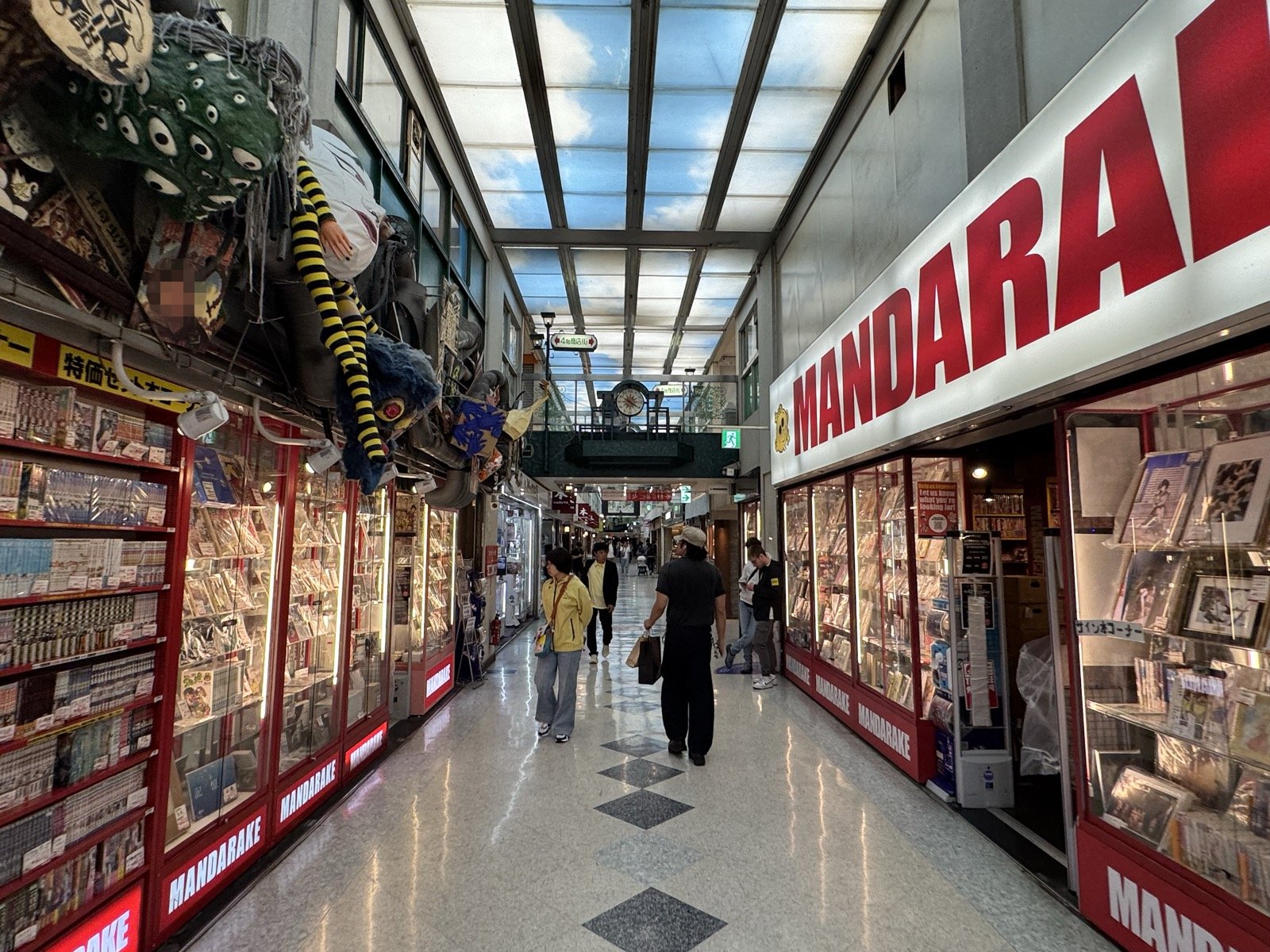
2. Nakano Broadway — a 1960s shopping arcade that became the collectors' district. Denser and stranger than Akihabara, heavy on vintage and rare items, much less English. Official site.
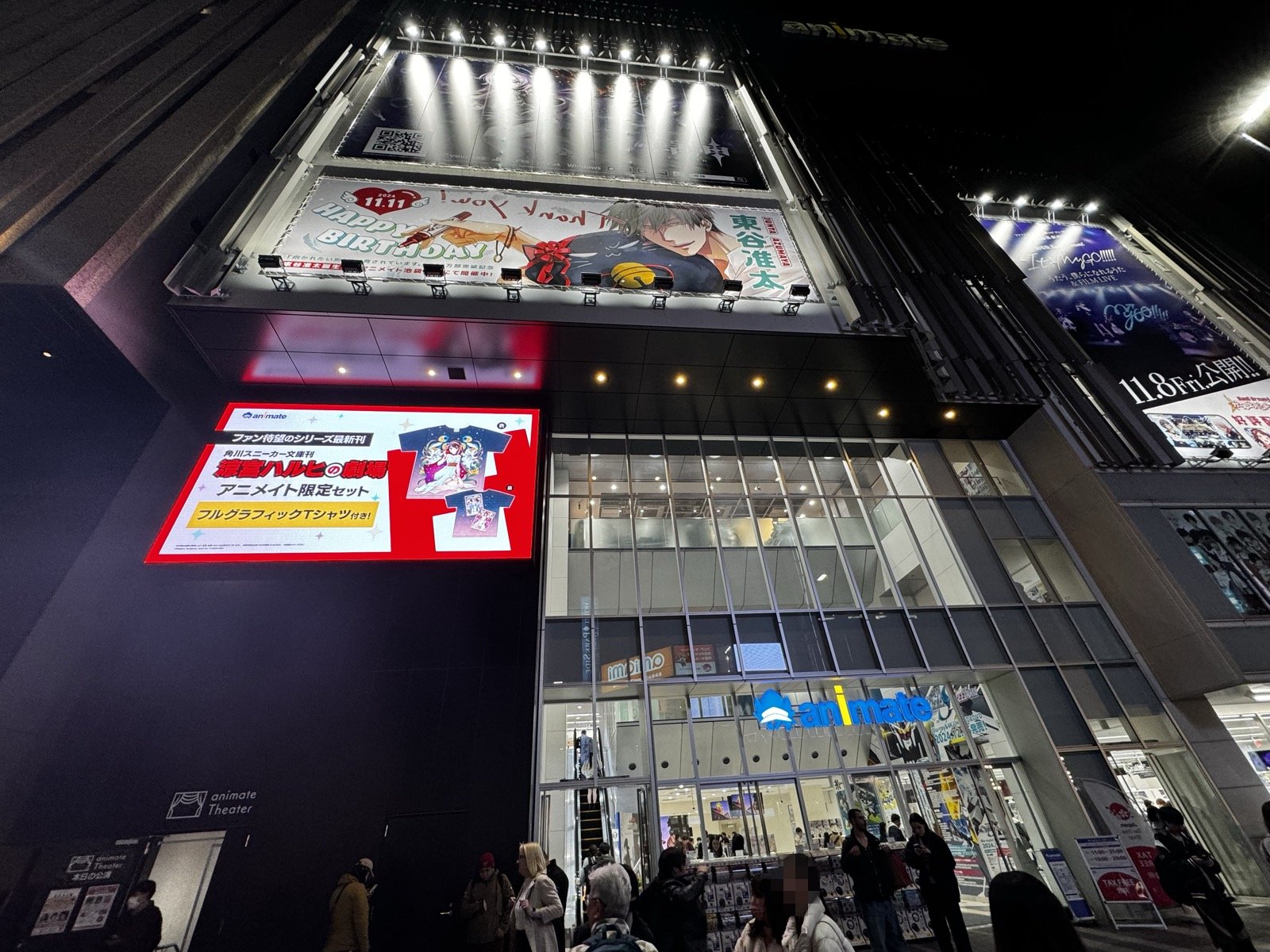
3. Ikebukuro — the counterweight. Otome Road and the flagship Animate store make this the district for josei and BL titles and for doujinshi, with a completely different stock list from Akihabara. Animate Ikebukuro and Sunshine City anchor it.
If you only have time for one, Akihabara vs Nakano vs Ikebukuro is the honest comparison.
If Akihabara is your one full day, my Akihabara anime tour covers the vertical part — which floors of which buildings — in three to four hours, and leaves the rest of the day for the shops you liked.
Three again, and all three need checking in advance rather than turning up. The Ghibli Museum in Mitaka, the Suginami Animation Museum, and the Toei Animation Museum are the real animation museums in the Tokyo area. Ticketing, closed days and entry systems differ at each and they change — check the official page before you build a day around one.
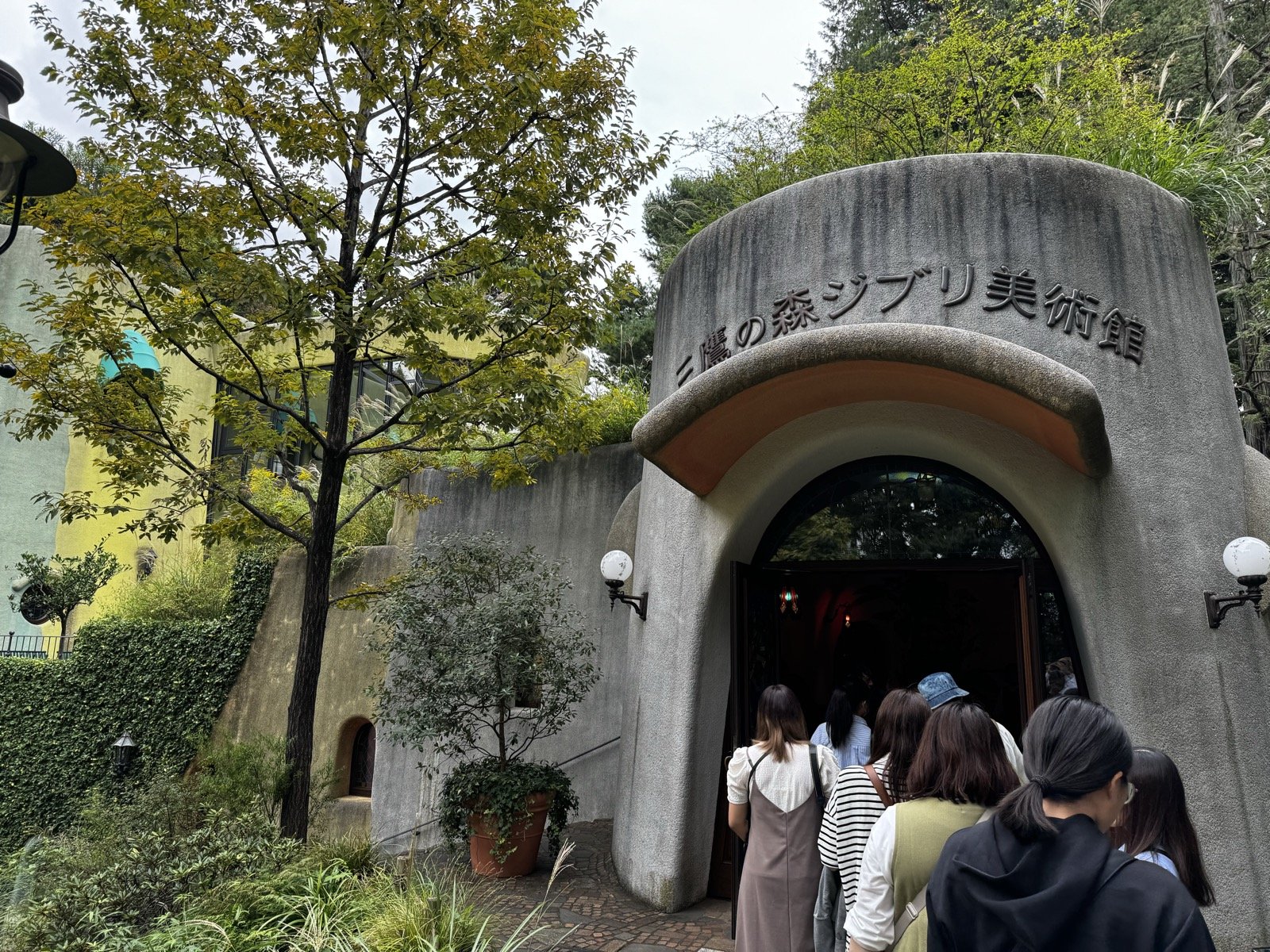
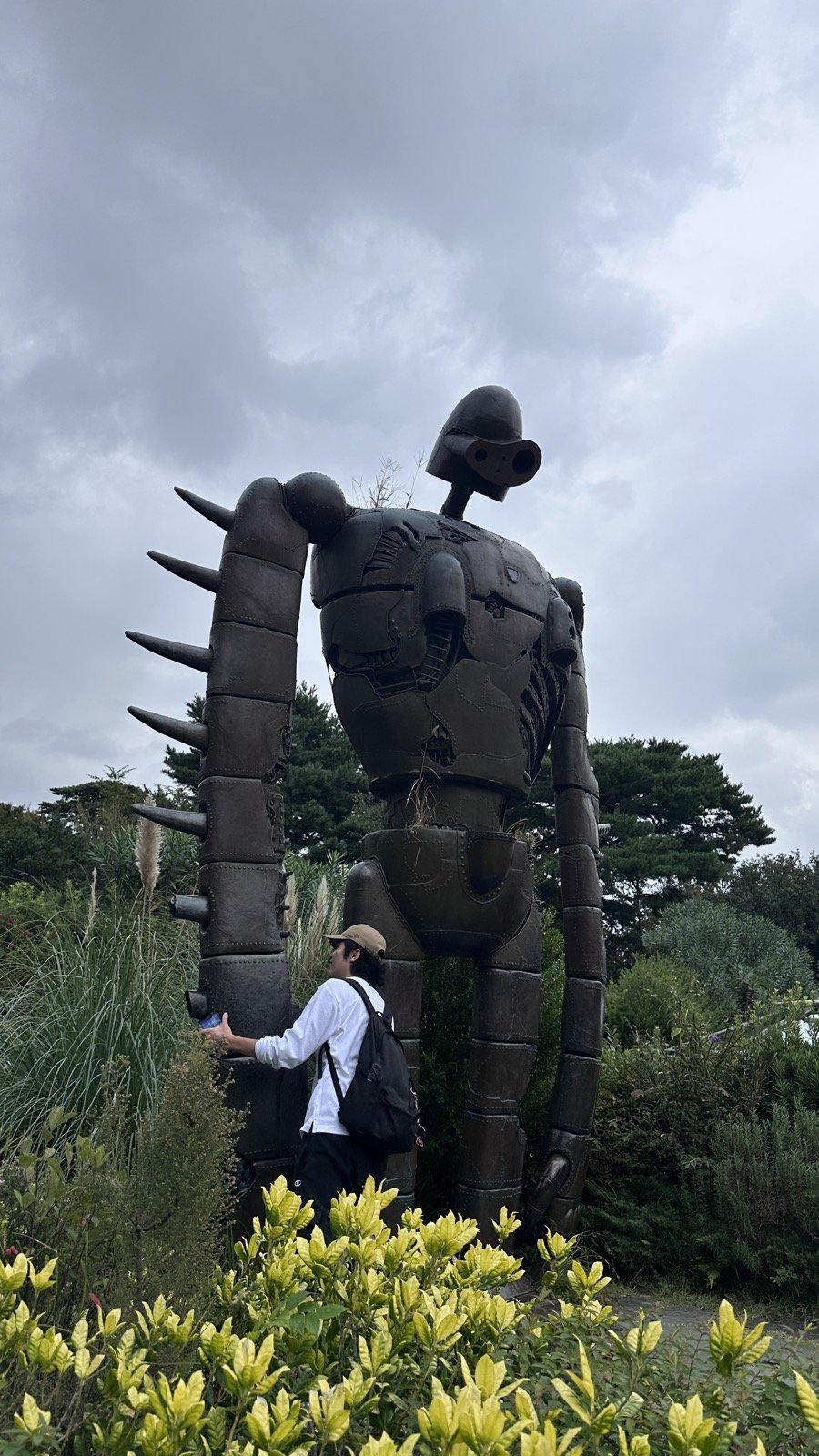
4. Ghibli Museum, Mitaka — the one everybody wants, and the one that needs the most planning. It is a small museum in a park in western Tokyo, and entry is by advance ticket for a specific date and time. Do not plan this as a "maybe we'll drop in." Official site (English).
5. Suginami Animation Museum — far less known, and the one I recommend to people who want to understand how anime is actually made rather than to see one studio's work. It covers the production process itself. Official site.
6. Toei Animation Museum — the archive of one of the oldest studios in the industry, with the production history that goes with it. Official site.
All three are half days of their own, in their own parts of the city, and none of them combines with a shopping district in the same afternoon. That is the single most common planning mistake with this list.
The landmarks. The Gundam Base in Odaiba, the Pokémon Centers, and Tokyo Character Street under Tokyo Station are all worth seeing and none of them is a day. Treat them as things you add to a day that is already happening nearby, not as destinations you travel across the city for.
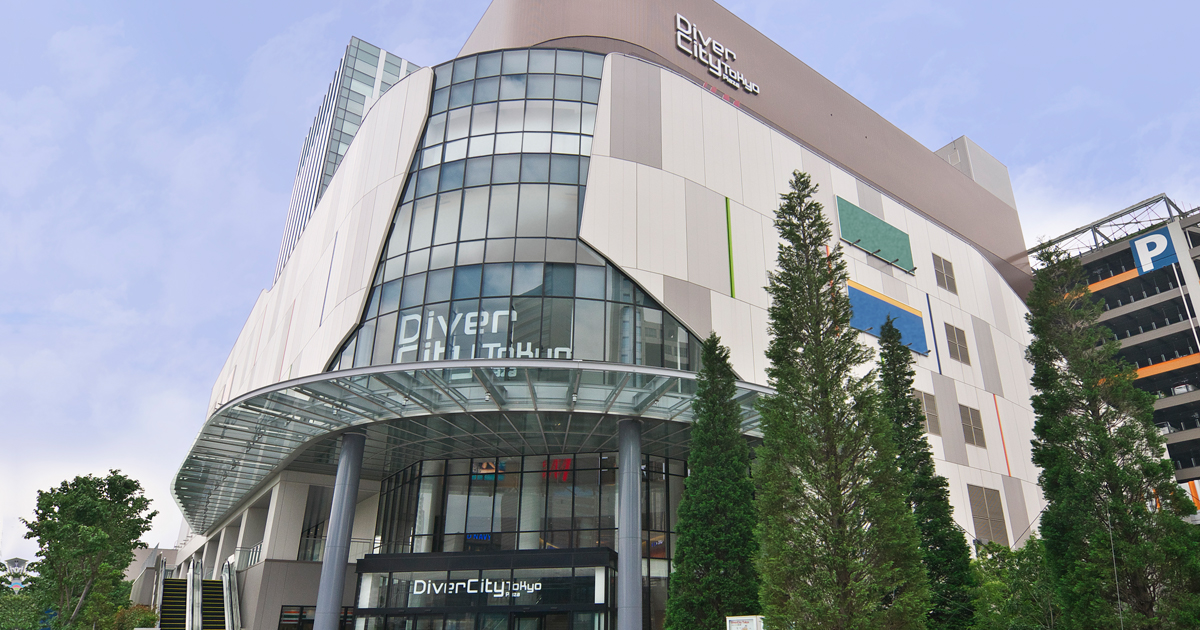
7. The Gundam Base Tokyo, Odaiba — the official Gunpla store on the 7th floor of DiverCity Tokyo Plaza. The life-size Unicorn Gundam statue outside ended its display on 31 August 2026, so go for the shop, not the statue (Gundam Base Tokyo after the statue). Odaiba is a long way from everything else on this list, so pair it with the rest of Odaiba rather than with Akihabara. Official site.
8. Pokémon Centers — official stores with Tokyo-exclusive stock, in several locations across the city. Good for gifts, quick to do. Official store list.
9. Tokyo Character Street — a basement corridor of character shops inside Tokyo Station's First Avenue. It is genuinely convenient rather than genuinely deep: if you are changing trains at Tokyo Station anyway, it is the best forty minutes available to you without leaving the building. Official site.
Photos: Yuuki (Anime Sensei)
| Place | What it is | Time it takes | Book ahead? |
|---|---|---|---|
| Akihabara | Shopping district | Half to full day | No |
| Nakano Broadway | Collectors' arcade | Half day | No |
| Ikebukuro / Otome Road | Shopping district | Half day | No |
| Ghibli Museum, Mitaka | Museum | Half day | Yes — dated ticket |
| Suginami Animation Museum | Museum | Half day | Check official site |
| Toei Animation Museum | Museum | Half day | Check official site |
| The Gundam Base Tokyo, Odaiba | Shop | 30–60 min | No |
| Pokémon Center | Shop | 30–45 min | No |
| Tokyo Character Street | Shop corridor | 30–45 min | No |
Anime lovers should go to a shopping district first, not a museum or a landmark, because a shopping district is the only one of the three that works without booking, without a specific series, and on whatever day you happen to be free. The coolest places on this list, if "cool" means somewhere you could not have guessed from the internet, are the upper floors of the secondhand shops — the rooms that are not photographed because they are shelves.
That is a slightly unsatisfying answer to "which is coolest", so here is the more honest version of the ranking:
The trap for first-time visitors is reading a list like this and trying to rank the places against each other. They are not competing; they are answering different questions. Pick the row that matches why you are interested, and ignore the other three.
No anime studio tours, because they do not exist. Working animation studios in Tokyo are ordinary offices with deadlines and are not open to visitors. Anything sold online as an "anime studio tour" is one of the museums above, a walk past a building, or a shopping tour with a misleading name.
Two other honest omissions:
Not permanently. Tokyo Tower is an observation tower, and the anime you find there is whatever temporary collaboration event, pop-up shop or limited café happens to be running that month. Those rotate constantly, so the only reliable check is the official site on the week you go. Do not build an anime day around it.
This question comes up because collaboration events are heavily posted about and the photographs outlive them by years. A pop-up that ran for six weeks in 2023 still circulates as though it were a fixture, and people arrive expecting a permanent attraction that has not existed for a long time.
What Tokyo Tower reliably is: a very good view, a landmark that appears in an enormous number of anime backgrounds, and a twenty-minute stop rather than an afternoon. If the appeal is seeing a place you recognise from screen, that is closer to the pilgrimage category below than to the shopping districts above — and it costs nothing to look at from the street.
If you want anime you can count on being there when you arrive, every entry in the list above is permanent. That is the difference worth planning around: venues stay, collaborations do not.
Three worth the detour, and none of them is on the list above: the Suga Shrine steps in Yotsuya (Your Name), the streets around Radio Kaikan in Akihabara (Steins;Gate), and the Kamakura-Kōkōmae crossing (Slam Dunk), which is an hour out but the one everyone means. Pilgrimage sites are a different category from the places above — they are free, unmarked, and worthless if you have not seen the show.
That last part is the whole test. A shopping district works for any anime fan; a level crossing works only for someone who watched the scene. So a pilgrimage stop belongs in a day you were already having nearby, not as a destination you build a morning around — with the exception of Kamakura, which is a genuine day out with a beach attached.
The etiquette matters more here than anywhere else on this list, because these are residential streets and working shrines rather than venues. Anime pilgrimage in Japan has the rules, the day-trip options with travel times, and what a pilgrimage note is. For everyday manners beyond this, see Japanese etiquette.
Not to the landmarks on a visitor's list. Tokyo fans go to a small number of shopping and hobby districts, and they go repeatedly rather than once: Akihabara for breadth, Nakano for secondhand hunting, Ikebukuro for the josei-oriented half of the fandom, and their local branch of the big chains for everything routine. Events — release days, exhibitions, doujin fairs — do more to structure a fan's year than any permanent venue.
The distinction worth understanding is between destinations and habits. The statues, the character streets and the photo spots are destinations: you visit once, you have seen them. The districts are habits: locals return because stock changes weekly, secondhand floors turn over constantly, and a shop you cleared in March has different walls in June.
That is also why a visitor's list and a local's list barely overlap. A Tokyo fan is unlikely to spend a day at a landmark you crossed the city for, and equally unlikely to skip the used-figure floor you walked past without noticing.
| If you want to do what locals do | Go to | Why |
|---|---|---|
| Browse everything once | Akihabara | Broadest coverage, no plan needed |
| Hunt a specific out-of-print item | Nakano | Deepest secondhand density |
| Josei and otome fandom | Ikebukuro | Different half of the market, better served |
| See what is new this week | Any flagship chain store | Stock and displays rotate constantly |
The district-by-district comparison, with how long each one actually takes, is in which Tokyo district for an anime trip and Akihabara vs Nakano vs Ikebukuro.
Worth it if you are going for one specific series, not worth it as a general "anime destinations in Japan" tour. Outside Tokyo the two things that pull people are pilgrimage locations — the real places a series was drawn from — and a small number of museums and studio-linked sites. Both reward a planned single target and punish a scattergun itinerary, because the distances between them are real train journeys, not subway hops.
The honest sorting looks like this:
| Type of destination | Worth a special trip? | What it needs from you |
|---|---|---|
| Pilgrimage location for a series you love | Yes | Knowing the exact scenes before you go |
| Pilgrimage location for a series you have not seen | No | Nothing will make it land |
| Museum or studio-linked site | Yes, if you book it | Booking well before you fly |
| "Anime town" as a general concept | No | It is a shopping district, and Tokyo has better ones |
That last row is the one that catches people searching for a Japan-wide anime tour. There is no national anime trail; there are shopping districts, which cluster in Tokyo, and there are pilgrimage spots, which are scattered and specific. A guide that promises both in one loop is selling you travel time.
If a pilgrimage day trip is what you actually want, the etiquette and the planning method are both in anime pilgrimage in Japan — including the part about the people who live in these places, which is the half most guides leave out. If you are weighing a pre-built package against building it yourself, Japan anime tour packages sets out when a package is worth the premium.
One district, one museum, and the landmarks folded into days you were having anyway. A five-to-seven-night Tokyo trip fits one shopping district done properly, one museum if you booked it, and the twenty-minute stops attached to whatever else is nearby. Trying to do all nine is how a holiday becomes a commute.
The shape I suggest most often, in the order I suggest it:
If you want the Akihabara half done properly — the right floors for your series, the secondhand shops that are actually worth your time, and someone who can read the wall — that is what my tour is for. It is built around the series you love rather than a fixed route, and what to buy where is most of what people ask me on it.
Akihabara, for most people, because it is the only one that is deep, central, and needs no booking. Is Akihabara worth visiting covers the honest case for and against.
Technically, but do not. They are on opposite sides of the city, and the museum's entry is tied to a specific time. Committing to both means rushing one and probably arriving late for the other.
Tokyo Character Street or a Pokémon Center — short, cheerful and inside somewhere you were already going. Nakano Broadway is the worst choice for a non-fan, because its appeal is entirely in recognising what is on the shelves.
The shopping districts and the character shops are free to walk. The museums are ticketed.
One district, or one museum, plus one landmark if it happens to be on the way. Three of anything from this list in a day is a plan that looks fine on paper and does not survive the trains.
Both, differently — daytime for the shops and the floors, evening for the lights and the arcades. How long to spend in Akihabara has the timing.
Everything above you can do on your own, and most of it you should. The part that repays a guide is the shopping district — because the value there is in floors you would not think to climb and shops that look identical from the street and are not.
About the author. I am Yuuki, a Japanese teacher and Akihabara tour guide in Tokyo. I run tours in English most weeks, rated 4.96★ on Airbnb, and I have watched over 1,500 anime series — which is how most of my guests find me in the first place.
See the Akihabara anime tour →
Sources · checked 13 September 2026
 Ghibli Museum, Mitakawww.ghibli-museum.jp
 東京工芸大学 杉並アニメーションミュージアムsam.or.jp
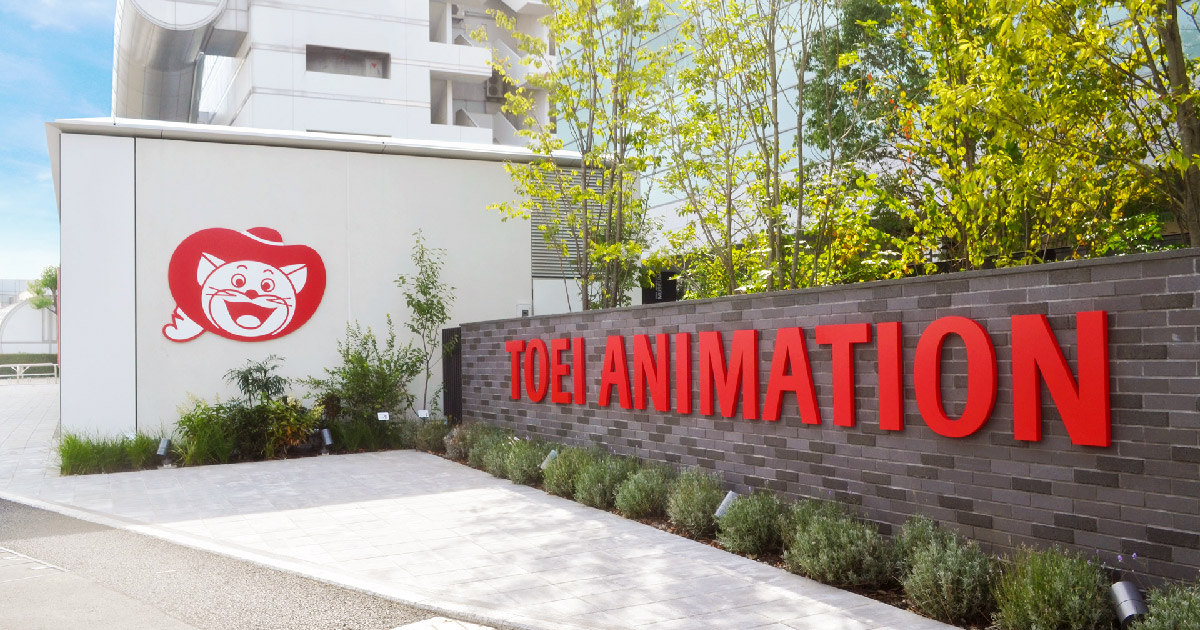 東映アニメーションミュージアム東映アニメーションミュージアム
 中野ブロードウェイ公式サイト中野ブロードウェイ | Nakano Broadway Official Site
 アニメイト池袋本店 | 店舗情報 | 株式会社アニメイト株式会社アニメイト
 池袋・サンシャインシティ オフィシャルサイト池袋 サンシャインシティ
 お台場 ダイバーシティ東京 プラザダイバーシティ東京 プラザ
 ポケモンセンター店舗一覧|ポケットモンスターオフィシャルサイトポケットモンスターオフィシャルサイト
 東京駅一番街東京駅一番街
 ジブリパークジブリパーク
A private half-day in Akihabara with a local otaku guide. Three to four hours in English, never mixed with other travelers, rated 4.96 by 171 Airbnb guests. Booking here goes straight into my calendar.
See the private Akihabara tour See Yuuki's Japan Kit